The HVAC industry is experiencing rapid advancements, especially in the way professionals inspect and maintain ductwork. Duct camera inspection technology trends are reshaping how technicians diagnose issues, improve air quality, and ensure system efficiency. These innovations are not only making inspections more precise but also more accessible for both service providers and property owners.
As these technologies evolve, understanding their impact and the latest developments is crucial for anyone involved in HVAC maintenance or facility management. This article explores the most significant changes, the benefits they bring, and what to expect from the future of ductwork inspection.
For those considering a professional evaluation, it’s helpful to learn how to choose a duct camera inspection service to ensure you get the most reliable results.
Key Innovations in Modern Duct Inspection Tools
Over the past decade, duct camera inspection technology trends have shifted from basic visual tools to advanced, feature-rich systems. Today’s inspection cameras offer high-definition imaging, wireless connectivity, and even artificial intelligence for real-time analysis.
- High-Resolution Cameras: Modern inspection devices now feature HD and even 4K video capabilities, allowing technicians to spot even the smallest cracks, leaks, or blockages.
- Wireless and Remote Access: Many systems can transmit live video feeds to smartphones or tablets, making it easier for teams to collaborate and for clients to see the condition of their ducts in real time.
- Compact, Flexible Designs: Inspection cameras are now smaller and more maneuverable, enabling access to tight bends and long duct runs that were previously difficult to inspect thoroughly.
- Integrated Lighting: Powerful LED lights built into camera heads improve visibility, ensuring that every detail inside the ductwork is captured clearly.
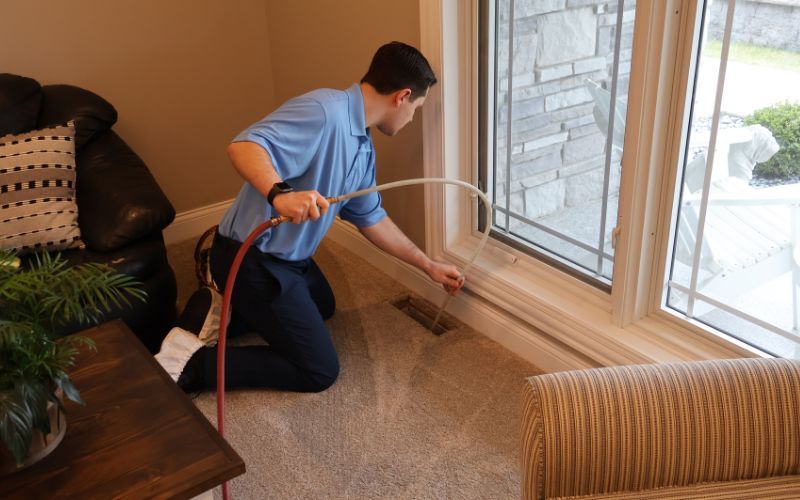
How Smart Features Are Transforming Duct Inspections
The integration of smart technology is one of the most notable trends in duct camera inspection. Artificial intelligence and machine learning are beginning to play a role in automating the detection of common duct issues.
- Automated Defect Detection: Some systems can now identify mold, corrosion, or debris automatically, reducing the risk of human error and speeding up the inspection process.
- Cloud-Based Reporting: Inspection data can be uploaded instantly to cloud platforms, making it easy to generate detailed reports and share findings with clients or team members.
- Augmented Reality (AR): Emerging tools are using AR overlays to highlight problem areas directly on the video feed, helping technicians prioritize repairs or cleaning efforts.
These smart features not only improve accuracy but also enhance transparency, as clients can view annotated images or video clips of their ductwork’s condition.
Benefits of Advanced Duct Camera Systems for HVAC Professionals
The adoption of the latest inspection camera technology in HVAC brings several practical advantages for service providers:
- Faster Diagnostics: High-quality visuals and automated analysis help technicians identify issues more quickly, reducing labor time and minimizing system downtime.
- Better Documentation: Detailed images and reports support maintenance records, warranty claims, and customer communication.
- Enhanced Customer Trust: When clients can see clear evidence of duct conditions, they are more likely to approve necessary repairs or cleaning, leading to improved satisfaction and repeat business.
- Cost Savings: Early detection of problems prevents costly breakdowns and extends the lifespan of HVAC systems.

What to Look for When Choosing Inspection Equipment
Selecting the right duct inspection camera depends on several factors, including the size of the ductwork, the type of issues you expect to encounter, and your reporting needs. Here are some key considerations:
- Image Quality: Opt for cameras with at least HD resolution for clear visuals.
- Maneuverability: Flexible cables and compact camera heads are essential for navigating complex duct systems.
- Connectivity: Wireless features and app integration can streamline the inspection and reporting process.
- Durability: Equipment should be rugged enough to withstand dust, moisture, and rough handling.
- Battery Life: Long-lasting batteries are important for inspecting large or multiple systems in one visit.
For a deeper understanding of common misconceptions, you might want to review duct camera inspection myths explained to separate fact from fiction.
Comparing Inspection and Cleaning: Making the Right Choice
While advanced cameras have revolutionized the inspection process, it’s important to know when a visual assessment is sufficient and when a full cleaning is necessary. Inspection tools help identify buildup, blockages, or damage, but they do not replace the need for professional cleaning when contaminants are present.
To help decide between these services, consider reading the duct camera inspection vs duct cleaning decision guide. This resource outlines when each approach is most appropriate and how they can work together for optimal air quality and system performance.
Industry Standards and Best Practices
As duct camera inspection technology trends continue to evolve, industry standards are also adapting. Leading HVAC organizations now recommend regular visual inspections as part of routine maintenance schedules. Following best practices ensures that inspections are thorough, safe, and effective.
- Use only certified equipment and trained technicians for inspections.
- Document findings with clear images and detailed notes.
- Communicate results transparently with property owners or managers.
- Schedule follow-up inspections to monitor problem areas over time.
For homeowners interested in learning more about the process, this home guide to air duct inspection provides a helpful overview of what to expect and how to interpret inspection results.
Future Outlook: Where Duct Inspection Technology Is Heading
Looking ahead, we can expect further integration of smart sensors, robotics, and data analytics in ductwork assessment. As these trends continue, inspections will become even more accurate, less invasive, and more cost-effective. The focus will increasingly shift toward predictive maintenance, using data collected from inspections to anticipate issues before they become serious problems.
With ongoing innovation, both HVAC professionals and property owners will benefit from improved system reliability, better indoor air quality, and lower maintenance costs.
Frequently Asked Questions
What are the main advantages of using modern duct inspection cameras?
The latest inspection cameras provide high-definition visuals, wireless connectivity, and automated analysis. These features help technicians detect issues more accurately and quickly, improve documentation, and enhance communication with clients.
Can duct camera inspections replace professional duct cleaning?
No, inspections and cleaning serve different purposes. Cameras help identify problems, but cleaning is necessary to remove dust, debris, and contaminants. For more details, see does duct camera inspection replace cleaning.
How often should air ducts be inspected with a camera?
Most experts recommend a visual inspection every 2–3 years, or more frequently in environments with high dust, pet dander, or after renovations. Regular checks help catch issues early and maintain system efficiency.