Indoor air quality is a major factor in respiratory health, yet many people overlook the risks posed by everyday dust inside their homes. Fine particles from dust mites, pet dander, mold spores, and other allergens can accumulate and become airborne, making it easy to inhale them without realizing. Over time, this exposure can irritate the respiratory system, trigger allergies, and even contribute to chronic lung conditions. Understanding how to protect lungs from household dust is essential for anyone seeking a healthier living environment, especially for those with asthma, allergies, or other sensitivities.
Fortunately, there are practical steps you can take to reduce dust exposure and improve the air you breathe at home. From cleaning routines to filtration solutions, this guide explores effective strategies to minimize airborne particles and safeguard your respiratory system. If you’re interested in advanced cleaning methods, you might also want to learn about how to clean insulated ductwork safely to further reduce dust sources.
Why Indoor Dust Is a Threat to Respiratory Health
Household dust is more than just a nuisance—it’s a complex mixture of organic and inorganic particles. Common components include dead skin cells, fibers from fabrics, pollen, pet hair, dust mite debris, and sometimes even mold spores or bacteria. When inhaled, these particles can irritate the airways, especially in people with pre-existing lung conditions.
Prolonged exposure to indoor dust can lead to symptoms such as coughing, sneezing, shortness of breath, and even exacerbate asthma or bronchitis. According to recent research, poor indoor air quality is linked to a higher risk of respiratory infections and chronic lung diseases. For more on the warning signs, see this detailed overview of poor indoor air quality symptoms.
Key Strategies for Reducing Dust Exposure at Home
Minimizing dust in your living space requires a combination of regular cleaning, air filtration, and preventive measures. Here are some of the most effective ways to keep airborne particles at bay and support lung health:
- Vacuum frequently using a vacuum cleaner equipped with a HEPA filter to trap fine particles.
- Wet-dust surfaces with a damp cloth instead of dry dusting, which can stir up dust into the air.
- Wash bedding and curtains in hot water weekly to remove dust mites and allergens.
- Declutter rooms to reduce surfaces where dust can accumulate.
- Use air purifiers with true HEPA filters in bedrooms and living areas.
- Maintain HVAC systems by changing filters regularly and considering professional duct cleaning.
Air Filtration and Ventilation for Cleaner Breathing
One of the most reliable ways to reduce airborne dust is through effective air filtration. Devices like HEPA air purifiers can capture up to 99.97% of particles as small as 0.3 microns, including dust, pollen, and some bacteria. Placing these units in high-traffic or sleeping areas can significantly lower the concentration of irritants in the air.
In addition to portable purifiers, upgrading your HVAC system with high-efficiency filters or electrostatic options can further trap dust before it circulates throughout your home. Remember to replace or clean filters according to manufacturer recommendations to maintain optimal performance.
Proper ventilation also plays a crucial role. Open windows when outdoor air quality is good, use exhaust fans in kitchens and bathrooms, and avoid blocking air vents. For more advanced solutions, consider learning about the role of UV lights in maintaining duct cleanliness to help control mold and microbial growth inside your ductwork.
Preventing Dust Accumulation in Common Household Areas
Certain rooms and surfaces are more prone to dust buildup. Bedrooms, living rooms, and home offices often contain soft furnishings, carpets, and electronics that attract and hold onto particles. To minimize risks:
- Opt for hard flooring instead of wall-to-wall carpeting where possible.
- Choose washable rugs and clean them regularly.
- Keep pets groomed and bathe them to reduce dander.
- Store clothing and linens in closed containers or closets.
- Use dust-mite-proof covers on pillows and mattresses.
Special Considerations for Sensitive Individuals
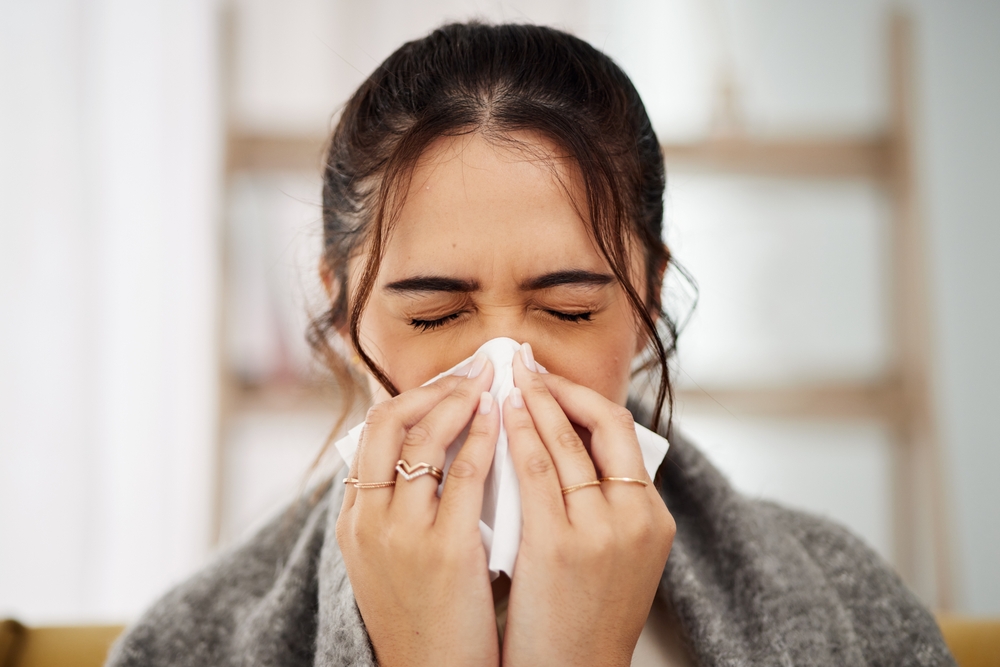
People with asthma, allergies, or compromised immune systems should take extra precautions to limit dust exposure. In addition to the strategies above, consider:
- Wearing a mask while cleaning or dusting.
- Using hypoallergenic cleaning products.
- Keeping windows closed during high pollen seasons.
- Monitoring indoor humidity to prevent mold growth (ideally 30–50%).
- Scheduling regular professional duct cleaning, especially after renovations. For tips, see these ways to keep ducts clean during remodeling.
Recognizing When Dust Is Affecting Your Health
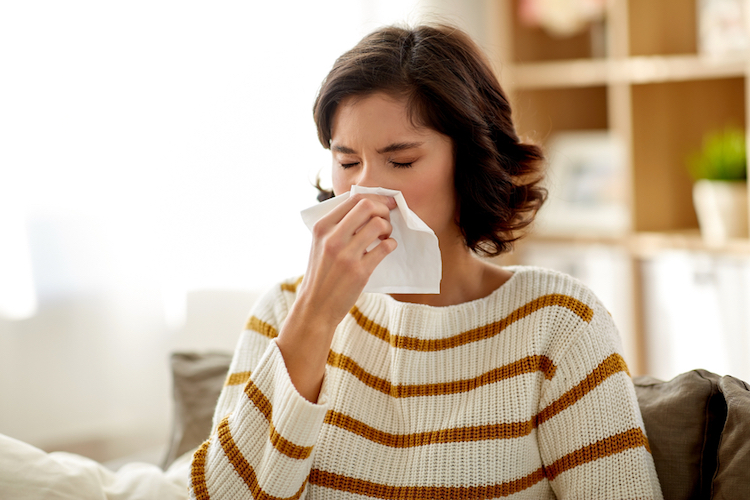
It’s important to recognize the signs that dust may be impacting your lungs. Common symptoms include persistent coughing, wheezing, nasal congestion, itchy eyes, and frequent respiratory infections. If you notice these issues, take steps to improve your indoor environment and consult a healthcare professional if symptoms persist.
In some cases, exposure to dust and other indoor pollutants can contribute to what’s known as sick building syndrome. To learn more about the symptoms and solutions, explore the article on symptoms of sick building syndrome from ducts.
FAQ: Common Questions About Reducing Dust and Protecting Lungs
What is the best type of air purifier for dust allergies?
A true HEPA air purifier is most effective for capturing fine dust, pollen, and other airborne allergens. Look for models with a high Clean Air Delivery Rate (CADR) and replace filters as recommended.
How often should I change HVAC filters to minimize dust?
For optimal dust control, replace or clean HVAC filters every 1–3 months, depending on the filter type and your household’s needs. Homes with pets or allergy sufferers may require more frequent changes.
Can plants help reduce indoor dust?
While some houseplants can improve air quality by absorbing certain pollutants, they do not significantly reduce dust particles. Focus on cleaning, filtration, and ventilation for the best results.
Is it necessary to clean air ducts to prevent dust buildup?
Regular duct cleaning can help reduce dust circulation, especially if you notice visible buildup, mold, or recent renovations. For more information, see the guide on understanding the negative air pressure method for duct cleaning.
Conclusion
Taking proactive steps to reduce dust at home is one of the most effective ways to support long-term respiratory health. By combining regular cleaning, advanced filtration, and preventive habits, you can create a safer indoor environment and breathe easier every day. Remember, even small changes—like upgrading your air filter or adjusting your cleaning routine—can make a noticeable difference in air quality and overall well-being.