Maintaining clean air registers and grilles is essential for healthy indoor air quality and efficient HVAC performance. Over time, dust, pet hair, and debris can accumulate on these components, restricting airflow and circulating allergens throughout your home. Learning how to clean registers and grilles properly not only improves air circulation but also extends the life of your heating and cooling system.
Many homeowners overlook these simple yet crucial tasks, focusing on filters and ducts instead. However, neglecting vents and grilles can undermine even the best air duct cleaning efforts. This article provides a practical, step-by-step approach to keeping your registers and grilles spotless, with tips for both routine maintenance and deep cleaning. For those interested in broader ductwork care, you might also find value in our guide on how to clean insulated ductwork safely.

Why Clean Air Registers and Grilles Matter
Registers and grilles play a vital role in your HVAC system. They regulate airflow, help maintain consistent temperatures, and act as the final barrier before air enters your living spaces. When these components are dirty, several issues can arise:
- Reduced airflow leads to uneven heating or cooling.
- Dust and allergens are recirculated, impacting indoor air quality.
- Excess buildup can strain your HVAC system, increasing energy costs.
- Visible dirt can detract from the appearance of your home.
Regular cleaning ensures efficient operation and a healthier environment for your family. For those with pets or allergies, this task becomes even more important.
Essential Tools and Supplies for Cleaning
Before you begin, gather the necessary supplies to make the process efficient and thorough. Here’s what you’ll need:
- Vacuum cleaner with brush attachment
- Microfiber cloths or soft rags
- Mild dish soap or all-purpose cleaner
- Bucket of warm water
- Screwdriver (for removing registers/grilles)
- Soft-bristled brush or old toothbrush
- Disposable gloves (optional)
Having these items on hand will help you tackle both surface dust and stubborn grime without damaging your vents.
Step-by-Step Guide: Cleaning Registers and Grilles
Follow these steps to ensure your air vents are thoroughly cleaned and functioning optimally:
1. Turn Off Your HVAC System
For safety and to prevent dust from circulating during cleaning, switch off your heating or cooling system at the thermostat.
2. Remove the Registers and Grilles
Most registers and grilles are secured with screws or simply rest in place. Use a screwdriver if needed and gently lift them out. Take care not to bend or damage the metal or plastic slats.
3. Vacuum Loose Dust and Debris
Use the brush attachment on your vacuum to remove surface dust from both sides of the vent covers. Also, vacuum the exposed duct opening to clear away any debris just inside the ductwork.
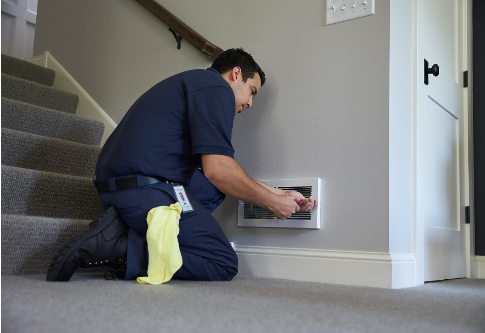
4. Wash with Soap and Water
Fill a bucket with warm water and add a few drops of mild dish soap. Submerge the vent covers and use a soft brush or cloth to scrub away any remaining dirt, grease, or sticky residue. Pay special attention to corners and crevices where dust tends to collect.
5. Rinse and Dry Thoroughly
Rinse the covers under clean water to remove any soap residue. Dry them completely with a towel or let them air dry before reinstalling. Moisture left on the covers can attract more dust or promote mold growth.
6. Clean the Surrounding Area
Wipe down the wall, floor, or ceiling area around the vent opening to remove any dust that may have settled during cleaning. This prevents immediate recontamination of your freshly cleaned registers.
7. Reinstall the Registers and Grilles
Once everything is dry, carefully put the covers back in place and secure them with screws if necessary. Turn your HVAC system back on and enjoy improved airflow and cleaner air.
Tips for Maintaining Clean Vents
- Dust or vacuum vent covers weekly to prevent buildup.
- Replace HVAC filters regularly to reduce dust in the system.
- Consider using vent filters if you have allergies or pets.
- Schedule professional duct cleaning every few years for a deeper clean. For more on this, see the long term benefits of clean air ducts for homeowners.
Consistent upkeep will help your system run efficiently and keep your indoor air fresh.

Common Mistakes to Avoid When Cleaning Vents
While cleaning air registers is straightforward, a few common errors can reduce effectiveness or cause damage:
- Using harsh chemicals or abrasive tools that scratch or corrode the finish.
- Reinstalling covers while still damp, leading to mold or mildew growth.
- Forgetting to turn off the HVAC system before removing covers, which can blow dust into your home.
- Neglecting to clean the area around the vent, causing immediate re-soiling.
By avoiding these pitfalls, you’ll keep your vents in top condition and protect your HVAC investment.
Deep Cleaning and Professional Options
For homes with excessive dust, visible mold, or persistent odors, a deeper clean may be necessary. In such cases, removing and soaking the covers is just the first step. You might also want to clean further into the ducts or consider professional services. For a comprehensive approach, check out this step-by-step guide to cleaning air ducts yourself for more advanced techniques.
Professional duct cleaning companies use specialized equipment to remove buildup you can’t reach with household tools. This is especially helpful for allergy sufferers or after renovations that generate extra dust.
Frequently Asked Questions
How often should I clean my air registers and grilles?
For most homes, a thorough cleaning every three to six months is sufficient. However, if you have pets, allergies, or live in a dusty environment, monthly cleaning may be beneficial. Routine dusting or vacuuming in between deep cleans helps maintain optimal air quality.
Can I use disinfectants or antimicrobial sprays on my vent covers?
It’s generally safe to use mild disinfectants on metal or plastic vent covers, but avoid harsh chemicals that can damage finishes or release fumes. If you’re interested in antimicrobial treatments for your ductwork, see our complete guide to antimicrobial duct treatment for more information.
What if my registers are painted or rusted?
If your vent covers are painted, use only gentle cleaning methods to avoid chipping. For rusted metal covers, lightly sand the affected area and repaint with a rust-resistant finish. Severely corroded covers should be replaced to ensure proper airflow and appearance.
Conclusion
Keeping your registers and grilles clean is a simple yet impactful way to support your HVAC system and improve indoor air quality. With the right tools and regular attention, you can prevent dust buildup, reduce allergens, and enjoy a more comfortable home. For those managing commercial spaces or unique ductwork, explore our guide on how to clean commercial vs residential ducts for tailored advice. Prioritizing these small maintenance tasks pays off in both comfort and efficiency year-round.