As HVAC systems become more advanced and indoor air quality standards continue to rise, property owners are increasingly turning to duct camera inspections to assess the state of their air ducts. These inspections use specialized cameras to visually examine the inside of ductwork, helping to identify blockages, leaks, mold, or other issues that could affect system performance and air quality. Understanding the average cost of duct camera inspection in 2026 is essential for homeowners, facility managers, and business owners planning maintenance or considering duct cleaning services.
In this article, we’ll break down the typical price range, factors that influence costs, what to expect from a professional inspection, and how these services fit into broader HVAC maintenance. For those interested in a deeper look at the cleaning process itself, you can learn more about what happens during a professional duct cleaning.

What Is a Duct Camera Inspection?
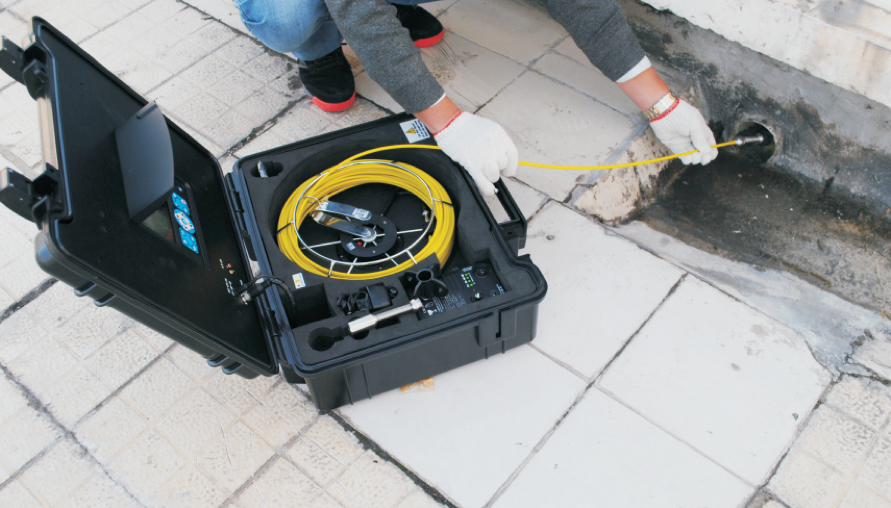
A duct camera inspection involves inserting a small, high-resolution camera into the ductwork of a building. This allows technicians to visually assess the interior surfaces of the ducts for dust buildup, debris, mold, pest infestations, or structural damage. The process is non-invasive and provides a clear, real-time view of areas that are otherwise inaccessible without dismantling parts of the HVAC system.
These inspections are often recommended before and after duct cleaning, during property sales, or when occupants notice issues like reduced airflow or persistent odors. The footage captured can help determine if cleaning or repairs are necessary, and can also serve as documentation for insurance or warranty claims.
Typical Price Range for Camera-Based Duct Inspections
In 2026, the average cost of duct camera inspection in the United States typically falls between $250 and $500 for a standard residential property. This range covers most single-family homes and small commercial spaces with accessible ductwork. For larger buildings, complex layouts, or facilities with extensive HVAC systems, costs can rise to $700–$1,200 or more.
The price usually includes the technician’s time, use of specialized camera equipment, a visual report or video recording, and basic consultation on findings. Some companies may offer bundled packages that combine inspection with duct cleaning or other maintenance services, which can provide better value if multiple services are needed.
Factors That Influence the Cost
- Property Size and Layout: Larger homes or buildings with multiple HVAC zones require more time and effort to inspect.
- Accessibility: Hard-to-reach ducts, crawl spaces, or attics can increase labor costs.
- Extent of Inspection: Full-system inspections cost more than partial or spot checks.
- Location: Urban areas with higher labor rates or travel fees may see slightly elevated prices.
- Additional Services: Some providers include minor repairs, cleaning, or air quality testing for an extra fee.
Why Invest in a Camera-Based Duct Assessment?
While some may view duct inspections as an added expense, the benefits often outweigh the costs. Camera inspections provide visual proof of duct conditions, helping property owners make informed decisions about cleaning, repairs, or upgrades. Early detection of problems can prevent more costly damage down the line, improve energy efficiency, and contribute to healthier indoor air.
According to the NADCA guide for new technicians, regular inspections are a best practice for maintaining HVAC system performance and ensuring compliance with industry standards.
How Duct Camera Inspections Fit Into Routine Maintenance
Visual inspections are a key part of a proactive HVAC maintenance plan. They help determine the right timing for cleaning and can reveal issues that might otherwise go unnoticed. If you’re wondering about the frequency of cleaning, see expert advice on how often should air ducts be cleaned.
Many professional duct cleaning companies now include camera inspections as part of their standard service, either before or after cleaning, to demonstrate the effectiveness of their work and provide peace of mind to clients.
What to Expect During the Process
- The technician arrives with a portable inspection camera and related equipment.
- Access points are identified and, if necessary, small openings are created for the camera.
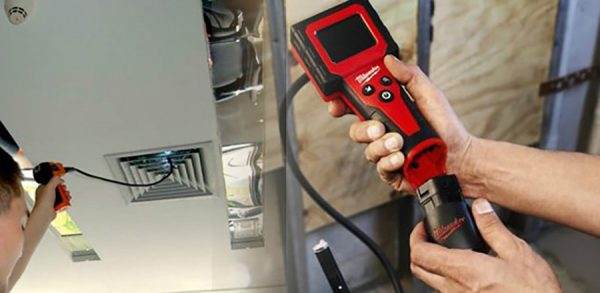
- The camera is inserted and navigated through the ductwork, transmitting live video to a monitor.
- Findings are discussed with the property owner, often with video or photo documentation provided.
- Recommendations for cleaning, repairs, or further testing are made based on the inspection results.
Tips for Getting the Most Value From Your Inspection
- Request a copy of the inspection video or images for your records.
- Ask if the company offers bundled pricing with cleaning or repairs.
- Verify that technicians are certified and use up-to-date camera technology.
- Compare quotes from several providers to ensure competitive pricing.
- Check reviews and references to confirm the company’s reputation.
Frequently Asked Questions
Is a duct camera inspection necessary before cleaning?
While not always required, a camera inspection provides clear evidence of duct conditions and helps determine if cleaning is needed. It can also identify issues like leaks or mold that may require specialized treatment.
Can I perform a duct camera inspection myself?
DIY options exist, but professional-grade cameras and expertise yield more accurate results. If you’re considering a hands-on approach, review the tools needed for diy duct cleaning to understand what’s involved.
Does insurance cover the cost of duct inspections?
Most standard homeowner policies do not cover routine inspections. However, if the inspection is part of a claim for water damage, fire, or another covered event, some costs may be reimbursed. Always check with your insurer for specifics.
Conclusion
The average cost of duct camera inspection in 2026 reflects both the value of advanced diagnostic technology and the growing emphasis on indoor air quality. By understanding the typical price range, what influences costs, and how these inspections fit into overall HVAC care, property owners can make informed decisions that protect their investment and well-being. For more on maintaining healthy air in your space, explore the impact of dusty ducts on indoor air quality.