Keeping your home’s air clean is essential for health and comfort. One often-overlooked source of indoor air pollution is the ductwork that circulates air throughout your living spaces. Over time, dust and debris can accumulate in these passages, affecting both air quality and HVAC efficiency. Understanding how to measure dust levels in air ducts empowers homeowners to make informed decisions about cleaning and maintenance.
In this article, we’ll break down practical methods for assessing dust buildup in your ductwork, discuss why monitoring is important, and provide tips for interpreting your findings. You’ll also find guidance on when to take action and resources for both DIY and professional solutions. For a deeper look at the consequences of dusty ductwork, see our article on the impact of dusty ducts on indoor air quality.

Why Assessing Dust in Ductwork Matters
Dust accumulation inside air ducts can contribute to a range of problems. These include worsened allergy symptoms, increased respiratory issues, and reduced HVAC system efficiency. By regularly checking for dust, you can catch issues early and maintain a healthier indoor environment.
- Health concerns: Dust in ducts may harbor allergens, mold spores, and bacteria.
- System performance: Excess buildup can restrict airflow, making your system work harder.
- Energy costs: A clogged system uses more energy, increasing utility bills.
For insight into what to expect from a cleaning service, read about what happens during a professional duct cleaning.
Common Signs of Dusty Air Ducts
Before you start measuring, it helps to recognize the warning signs that your ductwork may be harboring excessive dust:
- Visible dust blowing from supply vents
- Unexplained allergy flare-ups or respiratory irritation
- Frequent dust accumulation on furniture despite regular cleaning
- Musty or stale odors when the HVAC runs
- Noticeable buildup inside vent covers or registers
Methods for Checking Dust Levels in Ducts
There are several approaches to measuring dust inside air ducts. Some are simple visual inspections, while others use basic tools or specialized equipment. Here are the most effective ways to assess dust buildup at home:
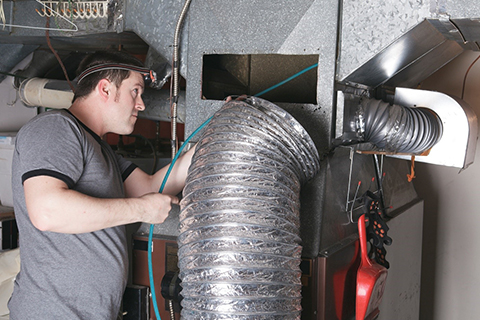
1. Visual Inspection
The easiest way to start is by removing a vent cover and shining a flashlight into the duct. Look for:
- Thick layers of dust or debris on duct surfaces
- Clumps of lint, pet hair, or visible particles
- Signs of mold or moisture
Use a mirror or your phone’s camera to see further inside. If you notice significant buildup, it’s a clear sign that cleaning may be needed.
2. Surface Dust Collection (Tape Test)
For a more objective approach, try the tape test:
- Cut a piece of clear tape (packing tape works well).
- Press the sticky side onto the inside surface of the duct (just past the vent opening).
- Remove the tape and examine it for dust, lint, or debris.
Compare the amount of dust collected to what you’d expect from a clean surface. If the tape picks up a visible layer, your ducts likely need attention.
3. Using a Particle Counter
For those who want a more precise measurement, handheld particle counters can detect airborne dust concentrations. These devices sample the air at the vent and display the number of particles per cubic foot or meter.
- Turn on the HVAC system and place the particle counter near a supply vent.
- Record the readings and compare them to outdoor air or another room without ducted air.
- High readings suggest significant dust in the system.
While particle counters provide quantitative data, they can be expensive. However, they are useful for those with severe allergies or respiratory concerns.
4. White Cloth Test
Another simple method is to hold a clean, white cloth or paper towel over a vent while the system is running. After a few minutes, check for dust accumulation on the cloth. This can help you gauge how much particulate matter is being circulated.
Interpreting the Results
Once you’ve checked your ductwork, consider the following:
- Light dust: Some dust is normal, especially if you haven’t cleaned recently.
- Moderate to heavy buildup: If you see thick layers, clumps, or the tape/cloth test shows significant dust, it’s time to clean.
- Signs of mold or moisture: These require immediate attention, as they can pose health risks.
If you’re unsure about your findings or want to ensure a thorough job, consider consulting a professional. For those interested in a do-it-yourself approach, check out our guide on how to clean air ducts yourself and the tools needed for DIY duct cleaning.
When and How Often to Check for Dust
It’s a good idea to inspect your ductwork at least once a year, or more often if you have pets, allergies, or live in a dusty environment. For expert recommendations, see our article on how often should air ducts be cleaned.
DIY vs. Professional Assessment
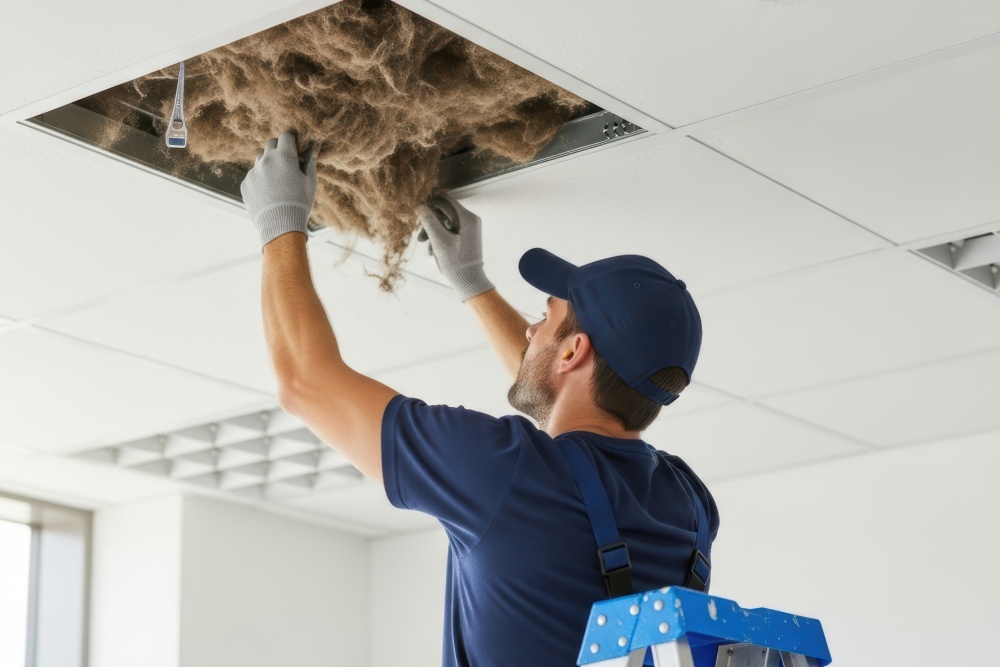
While homeowners can perform basic inspections and tests, professionals have specialized tools for a more thorough evaluation. Certified technicians may use high-powered vacuums, video inspection cameras, and advanced particle counters to assess and clean ductwork.
If you’re considering tackling the job yourself, review this comprehensive guide to cleaning air ducts yourself for safety tips and best practices.
Improving Air Quality After Measuring Dust
Once you’ve determined the level of dust in your ducts, take steps to improve your home’s air quality:
- Schedule regular duct cleaning based on your findings
- Replace HVAC filters every 1–3 months
- Use HEPA air purifiers or scrubbers to capture airborne particles
- Seal duct leaks to prevent dust intrusion
- Maintain a regular cleaning routine for floors and surfaces
FAQ: Measuring and Managing Dust in Air Ducts
How accurate are DIY dust measurement methods?
DIY approaches like the tape test or visual inspection provide a general sense of dust buildup but are not as precise as professional tools. They are, however, effective for identifying when cleaning is necessary.
What tools do professionals use to measure dust in ducts?
Professionals may use video inspection cameras, high-powered vacuums, and particle counters to assess and document dust accumulation. These tools allow for a more thorough and accurate evaluation than most DIY methods.
Can regular filter changes reduce dust in air ducts?
Yes, replacing HVAC filters regularly helps trap dust before it enters the ductwork, reducing overall buildup and improving air quality throughout your home.
Is it safe to clean ducts myself after measuring dust?
Many homeowners can safely clean accessible parts of their ductwork with the right tools and precautions. However, for extensive buildup or signs of mold, it’s best to consult a professional for thorough cleaning and remediation.