Dust buildup inside air ducts and ventilation systems is a gradual process that can impact air quality, HVAC efficiency, and even occupant health. Over months and years, particles from both indoor and outdoor sources settle and collect within ductwork, registers, and filters. Understanding the mechanisms behind this accumulation is essential for homeowners and facility managers who want to maintain cleaner indoor environments and avoid costly system issues.
This article explores the main reasons dust collects in ventilation, the stages of buildup, and how regular maintenance can help reduce these problems. For those interested in hands-on solutions, learning how to clean air ducts yourself can be a practical first step toward healthier indoor air.
Why Particles Collect Inside Ductwork
The process of how dust accumulates in ventilation systems is influenced by several factors. Airborne particles—including pollen, pet dander, textile fibers, and skin flakes—are constantly circulating indoors. As air moves through HVAC systems, these particles are drawn into return vents and can settle on the inner surfaces of ducts, fans, and coils.
Key contributors to this buildup include:
- Filtration Limitations: Standard filters may not capture all fine dust, allowing some particles to pass through and settle in the system.
- System Usage: The more frequently the system runs, the more air (and dust) it circulates, accelerating accumulation.
- Home Environment: High-traffic homes, pets, nearby construction, and open windows all increase the amount of dust entering the system.
- Humidity: Moisture can cause dust to clump and adhere more readily to duct surfaces.
The Stages of Dust Buildup in Air Ducts
Dust does not collect all at once. Instead, it accumulates in stages:
- Initial Layering: Fine particles settle on duct surfaces, forming a thin coating that is often invisible at first.
- Compaction: Over time, additional dust sticks to the initial layer, compacting and thickening the buildup.
- Adhesion to Moisture and Debris: Humidity, condensation, or leaks can cause dust to clump and mix with other debris, such as pet hair or mold spores.
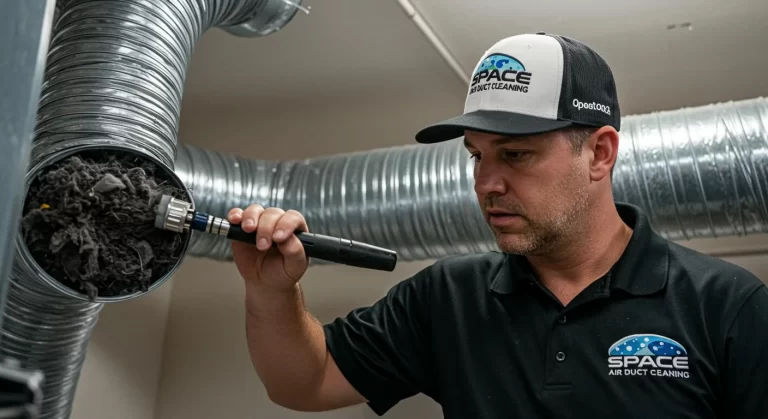
- Obstruction and Airflow Issues: In severe cases, dust buildup can restrict airflow, reduce system efficiency, and contribute to uneven heating or cooling.

Common Sources of Dust in Ventilation
The origins of dust in ductwork are varied. Some of the most common sources include:
- Indoor Activities: Vacuuming, sweeping, and even walking can stir up dust that is then drawn into vents.
- Pets: Shedding fur and dander contribute significantly to indoor dust levels.
- Building Materials: Drywall, insulation, and carpeting all shed particles over time.
- Outdoor Air: Pollen, vehicle exhaust, and industrial pollutants can enter through open windows or poorly sealed ducts.
Regular inspection using advanced tools can help identify problem areas. For example, understanding duct camera inspection benefits for homeowners can empower property owners to spot and address dust accumulation before it becomes a major issue.
Impact of Dust Accumulation on System Performance
As dust collects, it can have several negative effects on both the HVAC system and indoor air quality:
- Reduced Efficiency: Blocked ducts force the system to work harder, increasing energy consumption and utility costs.
- Health Concerns: Dust can harbor allergens, bacteria, and even mold spores, which may aggravate respiratory conditions.
- Equipment Wear: Excessive buildup can lead to premature wear on fans, motors, and other components.
- Unpleasant Odors: Accumulated debris can cause musty or stale smells when the system runs.
How to Minimize Dust in Your Ventilation System
While it is impossible to eliminate dust entirely, several strategies can help reduce buildup:
- Upgrade Filters: Use high-efficiency filters and replace them regularly to capture more particles before they enter the ductwork.
- Seal Leaks: Ensure all joints and seams in the ductwork are properly sealed to prevent dust infiltration from attics or crawl spaces.
- Routine Cleaning: Schedule professional duct cleaning or learn how to clean air ducts safely at home to remove accumulated debris.
- Monitor Humidity: Keep indoor humidity levels in check to prevent dust from clumping and sticking inside ducts.
- Use Air Scrubbers: Devices such as HEPA air scrubbers can help trap airborne particles before they settle in the system.
Signs That Your Ducts Need Attention
Recognizing when your ventilation system needs cleaning or inspection can prevent more serious issues. Watch for these indicators:
- Visible Dust: Dust blowing from vents or collecting around registers.
- Increased Allergies: More frequent sneezing, coughing, or respiratory irritation indoors.
- Uneven Heating or Cooling: Some rooms are harder to heat or cool, indicating restricted airflow.
- Unusual Odors: Persistent musty or stale smells when the system is running.
For a more thorough assessment, consider the best practices for duct camera inspection to ensure all hidden areas are checked.
Maintaining Clean Ducts for the Long Term
Preventing excessive dust buildup is an ongoing process. Here are some long-term strategies:
- Regular Inspections: Schedule annual or biannual professional inspections, especially if you notice any warning signs.
- Prompt Repairs: Address leaks, insulation issues, or water intrusion quickly to prevent dust from sticking and mold from forming.
- Keep Surroundings Clean: Reduce clutter and dust sources near vents and returns.
- Educate Occupants: Encourage household members to keep doors and windows closed during high pollen or dust events.
For those interested in real-world examples, reviewing duct camera inspection case studies can provide insight into how professionals identify and resolve dust-related issues in various settings.
Frequently Asked Questions
How often should ventilation ducts be cleaned to prevent dust buildup?
Most experts recommend cleaning air ducts every three to five years. However, homes with pets, allergies, or recent renovations may require more frequent attention. Regular filter changes and visual inspections can help determine when cleaning is needed.
Can dust in ventilation systems affect my health?
Yes, accumulated dust can contain allergens, bacteria, and mold spores that may trigger respiratory symptoms, especially in sensitive individuals. Keeping ducts clean and using high-quality filters can help reduce these risks.
What is the best way to reduce dust entering my HVAC system?
The most effective methods include using HEPA or high-efficiency filters, sealing ductwork, maintaining a regular cleaning schedule, and using air purifiers or scrubbers. Keeping windows and doors closed during high-dust periods also helps minimize entry.