When it comes to maintaining healthy indoor air quality and ensuring the efficiency of your HVAC system, few steps are as crucial as a duct camera inspection before duct cleaning. This process involves using specialized cameras to visually assess the inside of air ducts, allowing technicians to identify blockages, buildup, or potential damage that may otherwise go unnoticed. By taking this extra step, homeowners and facility managers can make informed decisions about cleaning and repairs, ultimately saving time, money, and hassle.
Many people overlook the importance of a thorough visual assessment prior to cleaning their ductwork. However, skipping this step can lead to incomplete cleaning, missed problem areas, or even unnecessary work. For those interested in learning more about safe cleaning practices, you might also want to explore how to clean insulated ductwork safely for additional insights.

Understanding the Role of Camera Inspections in Duct Cleaning
Before any cleaning begins, a duct camera inspection provides a real-time look at the interior of your ductwork. This technology uses small, flexible cameras that can navigate through even the tightest bends and corners, capturing high-resolution images or video. These visuals help technicians pinpoint exactly where dust, debris, mold, or obstructions are located.
The benefits of this approach are significant. Instead of relying on guesswork or incomplete information, professionals can tailor their cleaning methods to address the specific needs of your system. This targeted approach not only improves cleaning results but also helps prevent unnecessary wear and tear on your ducts.
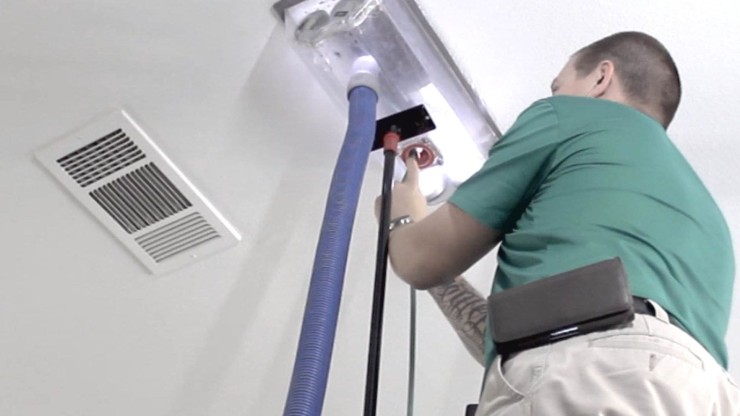
Key Reasons to Inspect Ducts with a Camera Before Cleaning
There are several compelling reasons to prioritize a duct camera inspection before duct cleaning:
- Accurate Assessment: Camera inspections reveal the true condition of your ductwork, highlighting areas with heavy buildup, pest infestations, or signs of water damage.
- Targeted Cleaning: By identifying problem spots, technicians can focus their efforts where they are needed most, ensuring a more thorough and efficient cleaning process.
- Damage Detection: Cracks, leaks, or disconnected sections can be spotted early, preventing further issues and costly repairs down the line.
- Documentation: Visual records from the inspection can be shared with property owners, providing transparency and peace of mind about the work being performed.
For a deeper dive into the technology and process, you can review this comprehensive overview of camera duct inspection methods from an industry leader.
What to Expect During a Duct Camera Inspection
The inspection process is straightforward and minimally invasive. A technician inserts a specialized camera into an access point of your duct system. As the camera moves through the ducts, it sends live images to a monitor, allowing the technician to observe and record any issues in real time.
Homeowners can often view the footage alongside the technician, gaining a clear understanding of what’s happening inside their ductwork. This transparency helps build trust and ensures that any recommended cleaning or repairs are truly necessary.
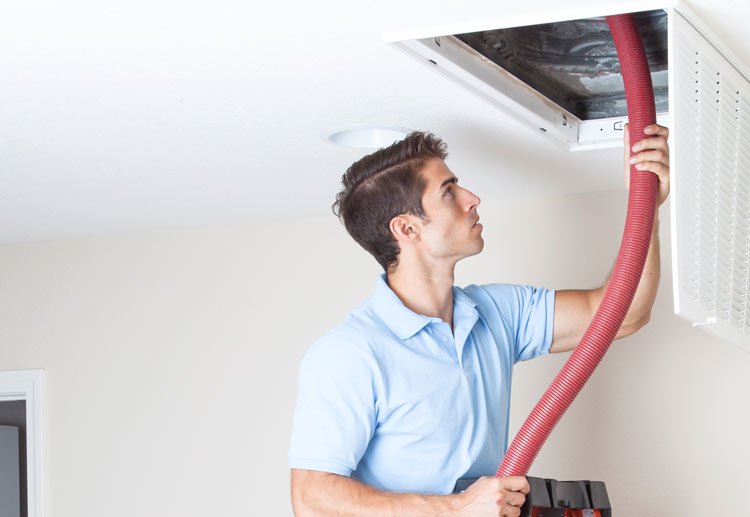
How Camera Inspections Improve the Duct Cleaning Process
Integrating a duct camera inspection before duct cleaning leads to several improvements in the overall service:
- Enhanced Efficiency: Technicians can avoid wasting time on clean sections and concentrate on problem areas.
- Better Results: By addressing all visible contaminants, the cleaning process is more effective, leading to improved air quality and system performance.
- Reduced Risk: Early detection of issues like mold or leaks means they can be addressed before causing health or structural problems.
- Cost Savings: Preventative maintenance and targeted cleaning can reduce the need for expensive repairs or repeat cleanings.
Common Issues Identified by Pre-Cleaning Camera Inspections
A visual assessment of ductwork can uncover a range of issues that might otherwise remain hidden:
- Heavy Dust and Debris: Accumulations that block airflow and reduce HVAC efficiency.
- Mold Growth: Moisture in ducts can lead to mold, which poses health risks.
- Pest Infestations: Rodents or insects sometimes nest in ductwork, leaving behind droppings or debris.
- Physical Damage: Cracks, holes, or disconnected segments can compromise the system.
- Insulation Issues: Damaged or missing insulation can be identified, which is especially relevant for those interested in how to clean insulated ductwork safely.
Integrating Camera Inspections with Other Duct Maintenance Practices
While camera inspections are a powerful tool, they are most effective when combined with other best practices in duct maintenance. For example, using UV lights can help maintain cleanliness between professional cleanings. To learn more about this, see our article on the role of UV lights in duct cleanliness.
Additionally, understanding cleaning methods such as the negative air pressure method can help you choose the most effective approach for your system. Regular inspections and cleanings, combined with preventive measures, help ensure your ducts remain in optimal condition year-round.
Frequently Asked Questions
Is a camera inspection always necessary before duct cleaning?
While not legally required, a camera inspection is highly recommended for most properties. It provides a clear picture of the ductwork’s condition, ensuring that cleaning is both necessary and effective. For older systems or those with a history of problems, this step is especially valuable.
How long does a duct camera inspection take?
The process typically takes between 30 minutes to an hour, depending on the size and complexity of your duct system. Larger commercial properties may require more time, but most residential inspections are completed quickly and with minimal disruption.
What should I do if the inspection reveals mold or pests?
If mold or pests are found, it’s important to address these issues before cleaning. Mold remediation or pest control may be necessary to ensure the safety and effectiveness of the cleaning process. Your technician should provide recommendations based on the inspection findings.
Conclusion: The Value of Visual Inspections in Duct Maintenance
Investing in a duct camera inspection before duct cleaning is a smart, proactive step for anyone looking to improve indoor air quality, extend the life of their HVAC system, and avoid costly surprises. By leveraging modern technology and best practices, you can ensure that your ductwork receives the attention it needs—resulting in a cleaner, healthier, and more efficient home or business environment.