Recovering from a house fire is a challenging process, and one of the most overlooked but critical steps is cleaning ducts after a house fire. Smoke, soot, and hazardous particles can settle deep inside your home’s ductwork, affecting air quality and posing health risks long after the visible damage is repaired. Properly addressing contaminated ventilation systems is essential for restoring a safe and comfortable living environment.
This article provides a step-by-step approach to post-fire duct cleaning, highlights why it’s necessary, and offers practical safety tips for homeowners. If you’re also dealing with related HVAC concerns, you may find it helpful to read about how to remove charcoal dust from vents for additional guidance on handling airborne contaminants.
Why Post-Fire Duct Cleaning Is Crucial
After a fire, your home’s ductwork can become a hidden source of lingering smoke odor, soot, and toxic particles. These contaminants are not just unpleasant—they can be harmful to your health, especially for children, seniors, and anyone with respiratory conditions. Even if the fire was contained to one area, smoke and soot travel quickly through ventilation systems, settling on surfaces throughout the house.
- Health Risks: Inhalation of soot and fine particles can trigger asthma attacks, allergies, and other respiratory issues.
- Persistent Odors: Smoke residue trapped in ducts can cause unpleasant smells to linger for months.
- System Efficiency: Soot buildup can reduce airflow and force your HVAC system to work harder, increasing energy costs and wear.
For these reasons, thorough duct remediation is a non-negotiable part of fire recovery. It’s not just about comfort—it’s about safety.
Initial Assessment and Safety Precautions
Before beginning any cleaning, it’s important to assess the extent of damage and ensure the area is safe. If you’re unsure about the condition of your HVAC system, consult a professional. Here are the first steps to take:
- Wait for Clearance: Only enter your home once fire officials have declared it safe.
- Turn Off HVAC: Shut down your heating and cooling system to prevent further spread of contaminants.
- Wear Protective Gear: Use gloves, N95 masks or respirators, and safety goggles to avoid exposure to soot and chemicals.
- Check for Structural Damage: Inspect ducts for warping, holes, or collapsed sections that may require repair or replacement.
Addressing these safety basics will help protect you and your family during the restoration process.
Step-by-Step Guide to Cleaning Ducts After Fire Damage
Thoroughly cleaning ducts after a house fire involves more than a simple dusting. Here’s a practical approach to restoring your home’s air quality:
1. Remove and Replace Air Filters
Start by removing all HVAC filters and replacing them with new, high-efficiency options. Soot and debris can clog filters quickly, reducing system performance and spreading contaminants.
2. Access and Inspect Ductwork
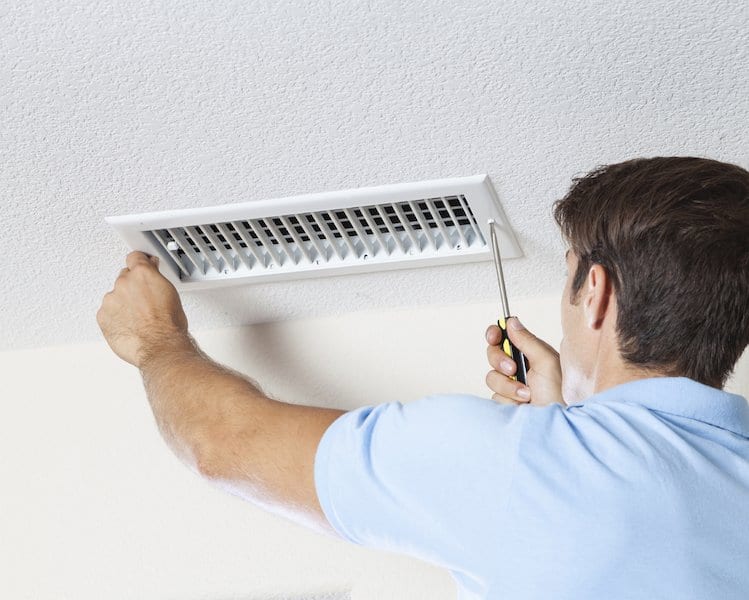
Open vent covers and registers to inspect for visible soot, ash, or debris. Use a flashlight to check deeper inside the ducts. If you notice heavy buildup or oily residue, professional cleaning may be necessary.
3. Vacuum with HEPA Filtration
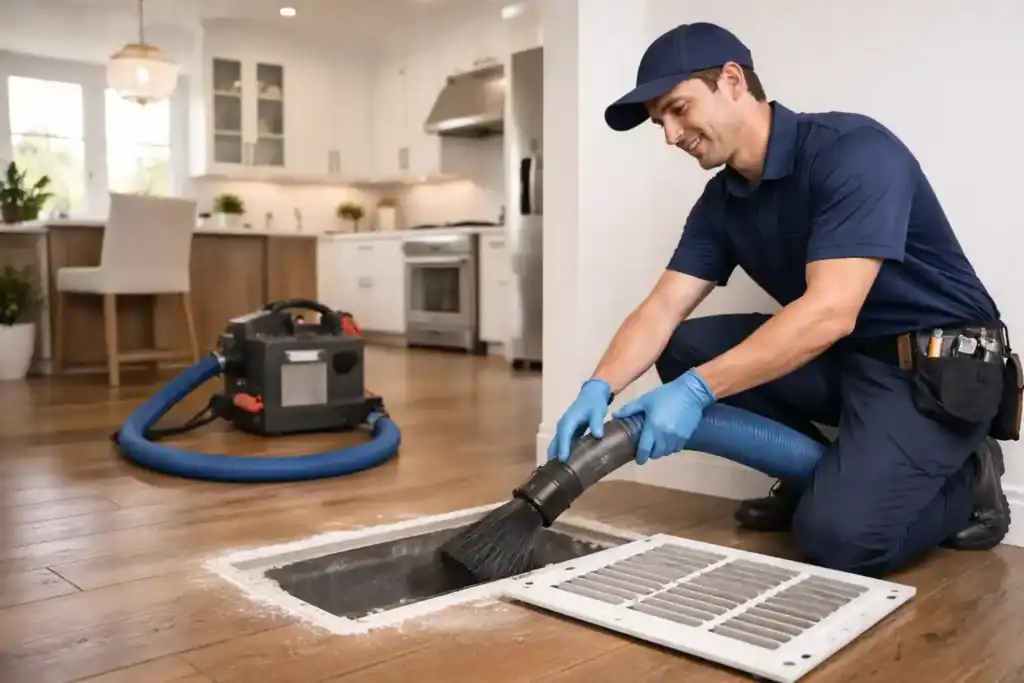
Use a commercial-grade vacuum equipped with a HEPA filter to remove loose soot and dust from ducts, vents, and returns. HEPA filtration is essential for capturing fine particles that standard vacuums may recirculate.
4. Clean Registers, Grilles, and Diffusers
Remove all vent covers and wash them with soap and water. For stubborn soot stains, use a degreasing cleaner. Allow all components to dry completely before reinstalling.
5. Sanitize and Deodorize
After physical cleaning, use an EPA-approved sanitizer or deodorizer designed for HVAC systems. This step helps neutralize odors and kill bacteria or mold spores that may have developed in the moist, sooty environment.
6. Inspect and Clean HVAC Components
Don’t overlook the furnace, blower motor, and air conditioning coils. These parts can harbor soot and must be cleaned or replaced as needed. If you’re not comfortable with this level of disassembly, hire a certified technician.
When to Call a Professional
While some homeowners may be able to handle light cleaning, severe fire damage or extensive soot contamination requires specialized equipment and expertise. Professional duct cleaners use negative air machines, rotary brushes, and advanced sanitizers to ensure thorough decontamination. If you notice persistent odors, visible soot throughout the system, or if anyone in your household has health concerns, professional remediation is strongly recommended.
For more detailed instructions on maintaining other HVAC components, you might also want to review how to clean an HRV filter or how to clean a multi zone HVAC system for additional tips.
Preventing Future Contamination
Once your ducts are clean, take steps to protect your home from future air quality issues:
- Install High-Quality Filters: Use HEPA or activated carbon filters to trap fine particles and odors.
- Schedule Regular Inspections: Have your HVAC system checked annually, especially after any major incident.
- Consider Air Purifiers: Portable HEPA air scrubbers can help remove lingering particles during and after cleaning.
- Seal Duct Leaks: Ensure all ductwork is properly sealed to prevent the spread of contaminants.
Maintaining your HVAC system is key to a healthy recovery. For more general advice, see this comprehensive guide to air duct cleaning for homeowners.
Additional Tips for Safe and Effective Restoration
- Document Everything: Take photos and keep records of all cleaning and repairs for insurance purposes.
- Ventilate the Home: Open windows and use fans to help clear out lingering odors and airborne particles.
- Monitor Air Quality: Use indoor air quality monitors to track improvements and identify ongoing issues.
- Address Dead Spots: If you notice areas with poor airflow, learn how to identify dead spots in ductwork to ensure even distribution of clean air.
- Check for Dust in Heat Pumps: After a fire, dust can accumulate in unexpected places. See advice on how to check for dust in a heat pump for a thorough approach.
Frequently Asked Questions
How soon should ducts be cleaned after a fire?
It’s best to address duct cleaning as soon as the property is safe to enter and before moving back in. The sooner you remove soot and smoke residue, the less likely it is to cause long-term health or odor problems.
Can I clean fire-damaged ducts myself?
Light surface cleaning is possible for minor incidents, but significant fire or smoke damage should be handled by professionals with specialized equipment. DIY cleaning may not remove all contaminants and can risk spreading soot further.
What equipment is most effective for post-fire duct cleaning?
HEPA-filtered vacuums, negative air machines, and EPA-approved sanitizers are the most effective tools. For persistent odors or heavy contamination, professional-grade air scrubbers and rotary brushes are recommended.
Will cleaning ducts remove all smoke odors?
Proper cleaning and deodorizing can eliminate most smoke odors, but in severe cases, some duct sections may need to be replaced. Persistent smells may also indicate hidden soot or contamination in other parts of the HVAC system.