Advanced rotary brush systems have become essential tools in a wide range of industries, from HVAC maintenance and manufacturing to specialized cleaning and production environments. These solutions are engineered to deliver superior cleaning, surface preparation, and debris removal, all while maximizing efficiency and minimizing downtime. As businesses and facility managers seek higher productivity and consistent results, understanding the features, benefits, and best practices of these systems is crucial.
In this article, we’ll explore how these high-efficiency rotary brush technologies work, what sets them apart from traditional methods, and how to select the right system for your needs. For those looking to deepen their knowledge, our rotary brush system expert tips provide additional insights into optimizing performance and troubleshooting common challenges.
How Modern Rotary Brush Technologies Deliver Results
Today’s advanced rotary brush systems are designed for versatility and reliability. Unlike older manual or static brushes, these solutions use motorized rotation to agitate, scrub, and extract debris from surfaces efficiently. The rotating action ensures even coverage and can adapt to a variety of surfaces, including ductwork, conveyor belts, industrial equipment, and more.
Key features of modern rotary brush solutions include:
- Interchangeable brush heads for different materials and cleaning intensities
- Flexible shafts and extension rods for reaching confined or complex spaces
- Variable speed controls to match the task requirements
- Compatibility with both wet and dry cleaning processes
These features make rotary brush systems indispensable for industries that demand thorough cleaning, such as food processing, HVAC, and manufacturing. For a closer look at how these systems are used in production settings, see our guide on rotary brush solutions for production environments.
Key Advantages of High-Performance Rotary Brush Solutions
Investing in a high-quality rotary brush system brings several important benefits:
- Consistent cleaning results thanks to uniform rotation and pressure
- Reduced labor time compared to manual scrubbing
- Lower risk of surface damage due to controlled brush action
- Improved worker safety by minimizing direct contact with contaminants
- Adaptability to a wide range of cleaning and maintenance tasks
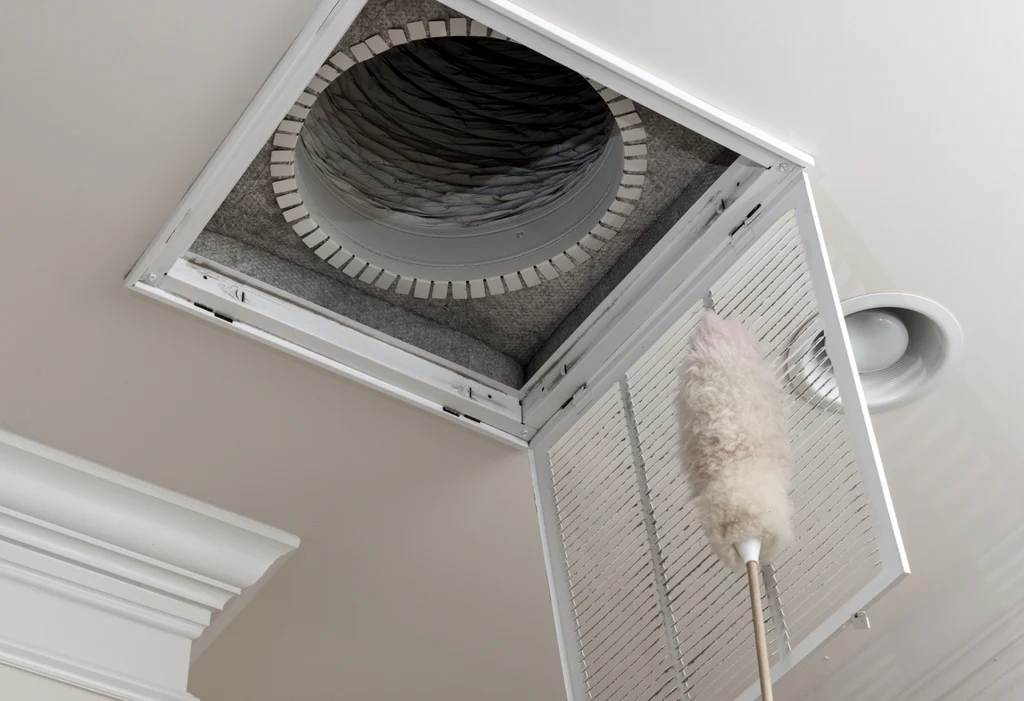
For example, in HVAC duct cleaning, rotary brush tools can dislodge dust, lint, and debris more effectively than static brushes or air-only methods. This leads to improved air quality and system efficiency. In industrial settings, these systems help maintain equipment performance and extend the lifespan of critical components.
Choosing the Right Rotary Brush System for Your Application
Selecting the best rotary brush solution depends on several factors, including the type of debris, the surface material, and the environment in which it will be used. Here are some considerations to guide your decision:
- Brush material: Nylon, polypropylene, and steel are common options, each suited to different cleaning needs.
- Brush diameter and length: Match the brush size to the duct, pipe, or surface dimensions for optimal coverage.
- Motor power and speed settings: Higher power is ideal for heavy-duty cleaning, while variable speeds allow for delicate surfaces.
- Ease of maintenance: Look for systems that allow quick brush changes and simple cleaning of components.
For those interested in the latest innovations and what’s ahead for these technologies, our overview of rotary brush system future trends covers emerging features and smart automation in the field.
Applications Across Industries
Rotary brush systems are used in a variety of sectors, each with unique requirements:
- HVAC and air duct cleaning: Removing dust, mold, and allergens from ventilation systems
- Manufacturing: Surface preparation, deburring, and conveyor belt cleaning
- Food processing: Sanitation of equipment and removal of residue
- Automotive: Cleaning engine parts, wheels, and undercarriages
- Public facilities: Maintenance of escalators, moving walkways, and large floor surfaces
Each application benefits from the efficiency and adaptability of rotary brush solutions. For more on maintaining high standards, see our rotary brush cleaning quality standards guide.

Best Practices for Operation and Maintenance
To get the most from your rotary brush equipment, follow these best practices:
- Inspect brushes before each use for wear or damage
- Choose the correct brush type for the material and debris
- Operate at recommended speeds to avoid excessive wear
- Clean and store brushes properly after each use
- Follow manufacturer guidelines for maintenance and replacement
Routine care not only extends the life of your equipment but also ensures consistent cleaning results. If you encounter issues such as vibration, poor cleaning, or brush jams, our resource on rotary brush troubleshooting common issues can help you resolve them quickly.
Comparing Rotary Brush Systems to Traditional Methods
Traditional cleaning methods, such as manual scrubbing or air-only tools, often fall short in terms of efficiency and thoroughness. Rotary brush systems provide several clear advantages:
- Deeper cleaning: The rotating motion agitates and lifts debris that static brushes or air cannot reach.
- Time savings: Tasks that once took hours can often be completed in a fraction of the time.
- Reduced operator fatigue: Less manual effort is required, improving ergonomics and productivity.
- Versatility: One system can handle multiple cleaning tasks with simple brush changes.
For a technical overview of how these brushes work and their design variations, the rotating brushes resource from industry experts provides a detailed look at brush types, materials, and applications.
Frequently Asked Questions
What surfaces can rotary brush systems clean?
These systems are suitable for a wide range of surfaces, including metal, plastic, concrete, ductwork, and more. The key is to select the appropriate brush material and size for the specific application.
How often should brushes be replaced?
Brush replacement frequency depends on usage, material, and the type of debris encountered. Inspect brushes regularly and replace them when bristles show significant wear, deformation, or reduced cleaning effectiveness.
Are rotary brush systems safe for delicate surfaces?
Yes, when used with the correct brush type and speed setting, these systems can safely clean delicate surfaces. Always follow manufacturer recommendations and test on a small area first if unsure.
Conclusion
Advanced rotary brush systems offer a powerful, efficient, and adaptable solution for demanding cleaning and maintenance tasks across industries. By choosing the right system, following best practices, and staying informed about the latest developments, businesses can achieve superior results while saving time and resources. For further tips and industry updates, explore our related guides and resources throughout this site.