Investing in a rotary brush system can be a significant decision for any cleaning business or facility manager. Understanding the rotary brush return on investment is essential to ensure that your purchase leads to measurable benefits, such as cost savings, improved efficiency, and enhanced cleaning results. This article breaks down the key factors that impact ROI, offers a step-by-step approach to calculation, and shares practical tips to maximize the value of your rotary brush equipment.
Before diving into the details, it’s helpful to explore how different rotary brush technologies and maintenance strategies can affect your bottom line. For example, learning about rotary brush hybrid cleaning systems can provide insights into advanced solutions that may further optimize your investment.
Why ROI Matters for Rotary Brush Systems
Assessing the return on investment for rotary brushes isn’t just about the upfront purchase price. It’s about understanding how the tool will impact your operational costs, labor efficiency, and the quality of your cleaning services over time. A well-chosen rotary brush can:
- Reduce manual labor and associated costs
- Increase cleaning speed and productivity
- Deliver more consistent and thorough results
- Extend the lifespan of equipment and surfaces
- Minimize downtime due to maintenance or repairs
By calculating ROI, you can make informed decisions about which system best fits your needs and how quickly you’ll recoup your investment.
Key Factors Influencing Rotary Brush ROI
Several variables play a role in determining the financial impact of a rotary brush system. Here are the most important considerations:
- Initial Cost: The purchase price of the rotary brush equipment, including any accessories or attachments.
- Operating Expenses: Ongoing costs such as replacement brushes, energy consumption, and routine maintenance.
- Labor Savings: The reduction in hours required to complete cleaning tasks compared to manual methods.
- Productivity Gains: The number of jobs or square footage cleaned per hour with the rotary brush system.
- Equipment Longevity: How long the system lasts before requiring major repairs or replacement.
- Quality Improvements: Enhanced cleaning results that can lead to higher customer satisfaction or fewer callbacks.
Factoring in these elements will give you a comprehensive view of your potential rotary brush return on investment.

How to Calculate Your Investment Payback
To determine the payback period and overall value of your rotary brush purchase, follow these steps:
-
Estimate Total Costs:
- Add up the initial purchase price, expected annual maintenance, and replacement parts.
- Include any training or setup expenses.
-
Project Annual Savings:
- Calculate labor hours saved per week or month by using the rotary brush versus manual cleaning.
- Multiply by average labor rates to find annual labor savings.
- Add any reductions in chemical or utility costs.
-
Estimate Productivity Gains:
- Determine how many more jobs or square feet you can clean with the rotary brush system.
- Factor in any increased revenue from higher capacity.
-
Calculate Payback Period:
- Divide the total investment by the annual savings and additional revenue to find the payback period in years or months.
-
Assess Long-Term Value:
- Project the system’s lifespan and total net savings over that period.
For a deeper dive into optimizing the performance and longevity of your equipment, see this guide on rotary brush lifespan optimization.
Real-World Example: Duct Cleaning ROI
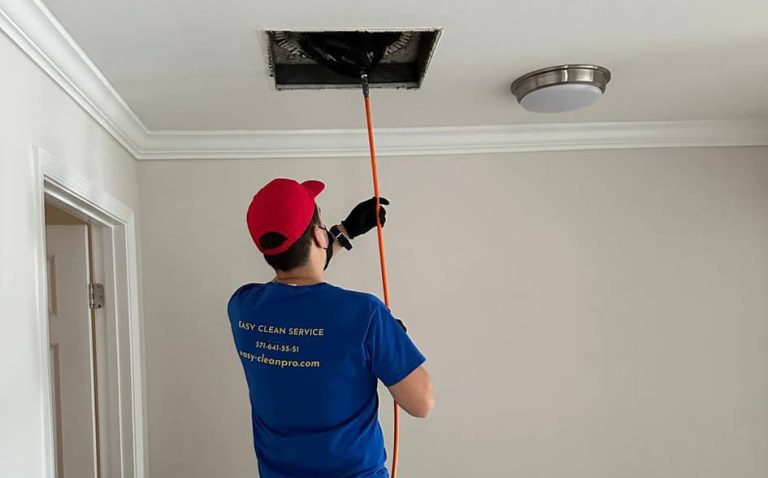
Consider a duct cleaning business that invests $1,200 in a rotary brush system. The business currently spends 20 hours per week on manual duct cleaning, at a labor rate of $25 per hour. With the new system, cleaning time drops to 10 hours per week, saving 10 hours weekly.
| Factor | Manual | With Rotary Brush |
|---|---|---|
| Weekly Labor Hours | 20 | 10 |
| Weekly Labor Cost | $500 | $250 |
| Annual Labor Savings | $13,000 | |
| Initial Investment | $1,200 | |
| Payback Period | ~1 month | |
In this scenario, the rotary brush system pays for itself in just over a month, and the business continues to benefit from ongoing labor savings and increased job capacity.
Maximizing Your Rotary Brush Investment
To get the most from your rotary brush purchase, consider these best practices:
- Choose the right system for your application—review rotary brush motor selection guides to match power and features to your needs.
- Follow manufacturer maintenance recommendations to extend equipment life and reduce downtime. For tips on minimizing expenses, read about rotary brush system maintenance costs.
- Train staff thoroughly to ensure safe and effective operation.
- Monitor performance regularly and track savings to validate your ROI calculations.
- Stay updated on new technologies, such as hybrid systems or specialized brushes for tasks like rust removal.
By taking a proactive approach, you can maximize the value and longevity of your rotary brush system, ensuring a strong return for years to come.
Comparing Rotary Brush ROI to Other Cleaning Methods
When evaluating cleaning equipment, it’s important to compare the ROI of rotary brush systems to alternative methods, such as manual scrubbing, air whips, or chemical cleaning. Rotary brushes often deliver superior results in terms of speed, consistency, and thoroughness, especially for ductwork, vents, and industrial surfaces.
For example, using a rotary brush in rotary dryer maintenance can significantly reduce cleaning time and improve dryer performance. For further reading, see this in-depth guide to rotary dryer cleaning.
While the initial investment may be higher than manual tools, the ongoing savings in labor and improved cleaning outcomes typically lead to a much faster payback period and greater long-term value.
Frequently Asked Questions
How do I know if a rotary brush system is right for my business?
Evaluate your cleaning needs, the types of surfaces or ducts you service, and your current labor costs. If you handle large-scale or repetitive cleaning tasks, a rotary brush system can offer significant efficiency gains and cost savings.
What ongoing costs should I expect with rotary brush equipment?
Ongoing expenses include replacement brushes, routine maintenance, and occasional repairs. These costs are usually offset by reduced labor and improved productivity, but it’s important to budget for them in your ROI calculations.
Can rotary brushes be used for specialized cleaning tasks?
Yes, there are rotary brush attachments designed for specific applications, such as rust removal, vent cleaning, and industrial equipment maintenance. Choosing the right accessories can help you expand your service offerings and further improve your investment return.
How can I extend the life of my rotary brush system?
Regular maintenance, proper storage, and following the manufacturer’s usage guidelines are key. For more detailed advice, refer to resources on rotary brush lifespan optimization.
Conclusion
Understanding and calculating your rotary brush return on investment is crucial for making informed purchasing decisions and maximizing the value of your cleaning operations. By considering all relevant costs and savings, comparing different systems, and following best practices for maintenance and use, you can achieve a rapid payback and long-term benefits from your rotary brush equipment.