Removing rust and debris from metal surfaces is a common challenge in maintenance, restoration, and industrial cleaning. One of the most effective solutions available today is the rotary brush system for rust removal. These systems combine mechanical action with versatility, making them ideal for tackling stubborn corrosion, scale, and buildup in a variety of settings. Whether you’re a professional contractor or a DIY enthusiast, understanding how these tools work and how to use them safely can help you achieve cleaner, longer-lasting results.
This article explores how rotary brush technology streamlines rust removal, what to consider when choosing a system, and practical tips for maximizing efficiency. We’ll also highlight related cleaning methods and provide guidance on selecting the right accessories for your needs. For those interested in hybrid cleaning approaches, you can learn more about rotary brush hybrid cleaning systems and their unique benefits.

Understanding Rotary Brush Technology for Rust Removal
A rotary brush system for rust removal typically consists of a motorized handle or drill attachment and a set of interchangeable brush heads. These brushes, made from wire, nylon, or abrasive materials, spin at high speeds to scrub away rust, scale, and debris from metal, ductwork, or machinery. The rotating action provides consistent pressure and coverage, which is especially useful for cleaning irregular surfaces or hard-to-reach areas.
Compared to manual scrubbing or chemical treatments, rotary brush systems offer several advantages:
- Efficiency: Mechanical action removes rust faster and with less effort.
- Versatility: Suitable for pipes, vents, tools, automotive parts, and more.
- Reduced Chemical Use: Often eliminates or reduces the need for harsh solvents.
- Consistent Results: Maintains even pressure and coverage across surfaces.
For a deeper dive into the mechanics and terminology, you can refer to this comprehensive glossary of rotary brush systems.
Key Components and Types of Rotary Brush Systems
There are several types of rotary brush systems designed for rust and debris removal. The main components include:
- Brush Heads: Wire brushes for aggressive rust removal, nylon for lighter cleaning, and abrasive pads for polishing.
- Drive Mechanism: Either a dedicated motor or a drill/driver attachment for flexibility.
- Extension Rods: Allow access to deep or narrow spaces, such as inside ducts or pipes.
- Adapters: Enable compatibility with various power tools.
Some systems are designed specifically for duct cleaning, while others are more general-purpose. If you’re interested in optimizing your equipment’s performance, check out these rotary brush lifespan optimization tips to extend the life of your brushes and maintain cleaning efficiency.
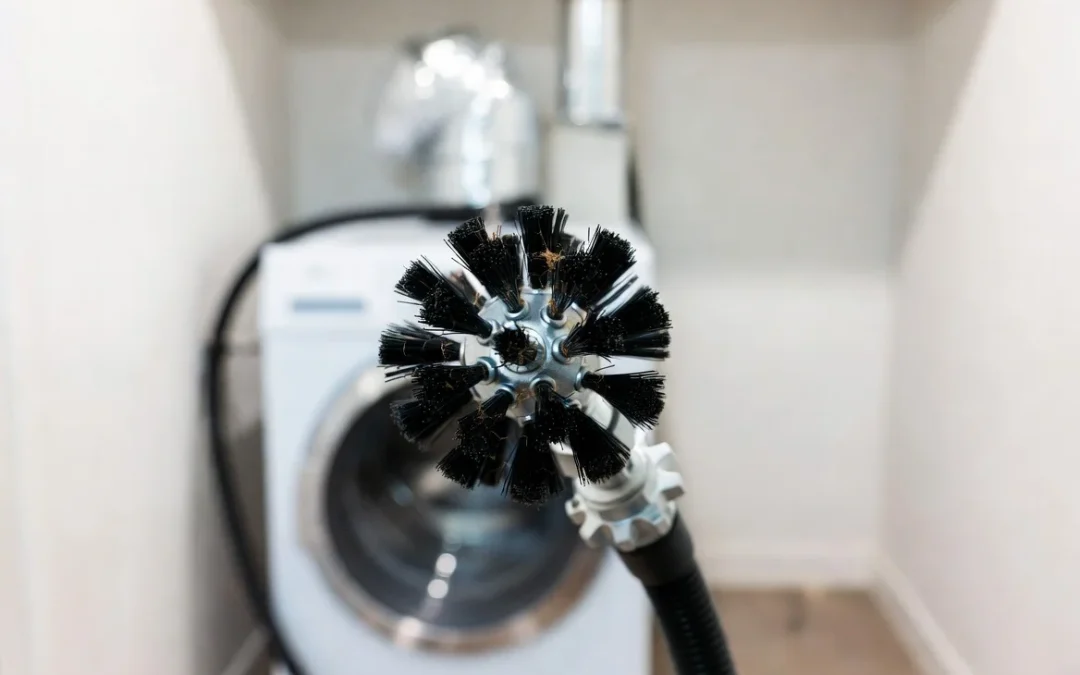
How to Use a Rotary Brush System for Rust and Debris Clean-Up
Using a rotary brush system for rust removal is straightforward, but following best practices ensures safety and optimal results. Here’s a step-by-step overview:
- Choose the Right Brush: Select a brush head suitable for the material and level of rust. Wire brushes are ideal for heavy corrosion, while nylon or abrasive pads work for lighter jobs.
- Prepare the Surface: Remove loose debris and degrease the area if necessary. This helps the brush make better contact with the rusted surface.
- Attach the Brush: Secure the brush head to the drive mechanism or drill. Ensure all connections are tight to prevent slippage during operation.
- Wear Protective Gear: Use safety glasses, gloves, and a dust mask to protect against flying debris and fine particles.
- Operate at the Correct Speed: Start at a lower speed and gradually increase as needed. Excessive speed can damage delicate surfaces or cause the brush to wear prematurely.
- Work Methodically: Move the brush in overlapping passes, applying gentle pressure. Avoid holding the brush in one spot for too long to prevent gouging.
- Inspect and Repeat: Check progress frequently. For stubborn rust, reapply as needed or switch to a more aggressive brush.
- Clean Up: Wipe down the surface and inspect for any remaining corrosion. Apply a rust inhibitor or protective coating if desired.
For those working on metal finishing, you might also be interested in techniques for polishing metal surfaces with rotary brushes.
Applications and Advantages in Industrial and Home Settings
The rotary brush system for rust removal is widely used in both professional and home environments. Common applications include:
- Cleaning HVAC ducts and dryer vents
- Restoring automotive parts, tools, and machinery
- Preparing metal for painting or welding
- Removing scale and buildup from pipes and fittings
- Maintaining outdoor equipment and railings
These systems are valued for their ability to access confined spaces and deliver consistent cleaning power. For those interested in the broader lifecycle of these tools, explore the rotary brush system lifecycle to understand maintenance and replacement intervals.
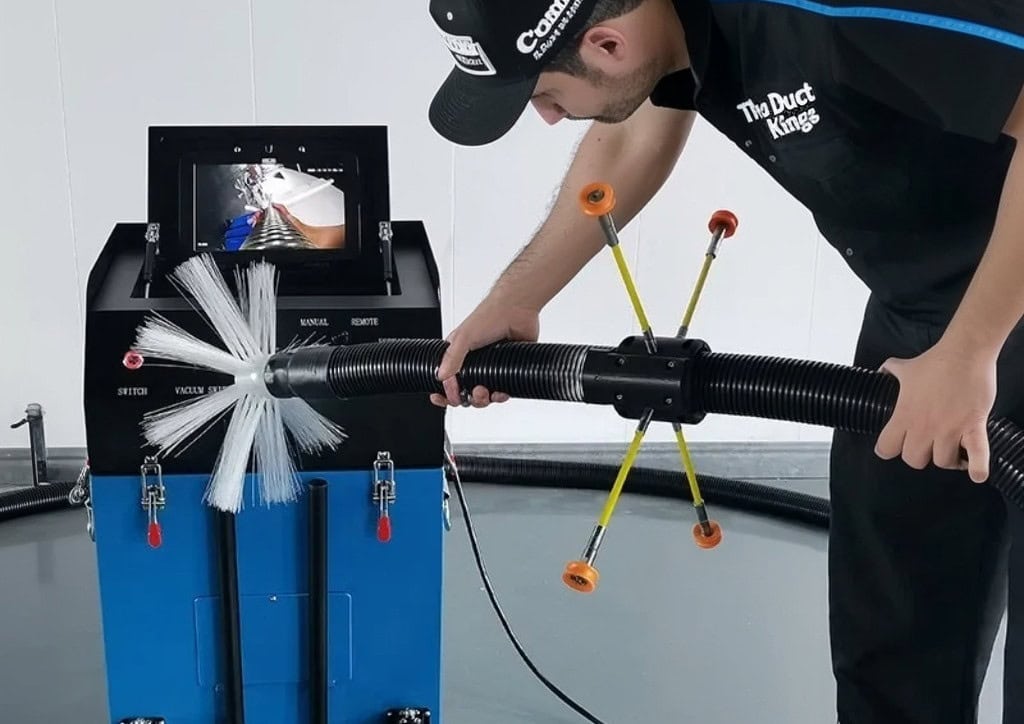
Choosing the Right Rotary Brush System for Your Needs
Selecting the best rotary brush system depends on your specific requirements. Here are some factors to consider:
- Material Compatibility: Ensure the brush is suitable for the surface you plan to clean.
- Brush Size and Shape: Choose brush heads that fit the target area, especially for ducts or pipes.
- Power Source: Decide between manual, drill-powered, or dedicated motorized systems.
- Durability: Look for high-quality materials that withstand repeated use.
- Accessory Availability: Consider systems with a range of compatible brushes and extensions.
If you’re in the market for a new motor, the rotary brush motor selection guide offers detailed advice on matching motors to your cleaning tasks.
Maintenance and Safety Tips
Proper care and safe operation are essential for getting the most from your rotary brush system:
- Inspect brushes for wear or damage before each use.
- Clean brush heads after use to remove debris and prevent corrosion.
- Store brushes in a dry place to avoid rusting of metal components.
- Follow manufacturer instructions for assembly and operation.
- Always use appropriate personal protective equipment.
Regular maintenance not only extends the life of your equipment but also ensures consistent cleaning performance and user safety.
Frequently Asked Questions
What types of surfaces can a rotary brush system clean?
Rotary brush systems are suitable for a wide range of surfaces, including metal, ductwork, pipes, and even some masonry. The key is to select the appropriate brush head for the material and level of contamination.
Is a rotary brush system safe for delicate surfaces?
While these systems are powerful, using the correct brush type and operating at lower speeds can make them safe for more delicate surfaces. Always test on a small area first and avoid wire brushes on soft metals or painted surfaces.
How often should I replace the brush heads?
Brush head lifespan depends on usage frequency, material, and cleaning conditions. Inspect brushes regularly for signs of wear, such as bent wires or thinning bristles, and replace as needed to maintain effective cleaning.