Rotary brush nylon bristles have become a staple in a wide range of cleaning and industrial applications due to their durability, flexibility, and efficiency. Whether used in HVAC duct cleaning, production environments, or household maintenance, these bristles offer a reliable solution for removing debris, dust, and contaminants from various surfaces. Their unique combination of strength and adaptability makes them a preferred choice for both professionals and DIY enthusiasts.
This article explores the construction, benefits, and diverse uses of nylon bristle rotary brushes. We’ll also provide practical tips for choosing the right brush, maintaining its performance, and understanding how these tools fit into modern cleaning systems. For those interested in advanced solutions, you can learn more about rotary brush solutions for production environments to see how these brushes are transforming industrial cleaning.
Understanding Rotary Brush Nylon Bristles
Nylon bristles used in rotary brushes are engineered from synthetic polymers, offering a balance between stiffness and flexibility. This material resists wear, chemicals, and moisture, making it ideal for demanding cleaning tasks. The bristles are typically arranged in a spiral or circular pattern, allowing the brush to rotate and agitate debris effectively.
The core advantages of nylon bristle rotary brushes include:
- Durability: Nylon resists abrasion and maintains its shape after repeated use.
- Versatility: Suitable for cleaning metal, plastic, wood, and delicate surfaces.
- Moisture Resistance: Nylon does not absorb water, preventing mold and bacterial growth.
- Chemical Tolerance: Withstands exposure to detergents, solvents, and mild acids.
Key Benefits of Using Nylon Bristle Rotary Brushes
Choosing a rotary brush with nylon bristles provides several practical benefits for users across different sectors. Here are some of the most notable advantages:
- Gentle Yet Effective Cleaning: Nylon bristles are tough enough to dislodge dirt but soft enough to avoid scratching sensitive surfaces.
- Long Service Life: Their resistance to fraying and breaking means fewer replacements and lower maintenance costs.
- Adaptability: These brushes can be used in both manual and automated cleaning systems, including drills, vacuum attachments, and industrial machines.
- Consistent Performance: The uniformity of synthetic bristles ensures even cleaning and reliable results over time.
Common Applications for Rotary Brush Nylon Bristles
The versatility of nylon bristle rotary brushes makes them suitable for a wide range of tasks. Some of the most common applications include:
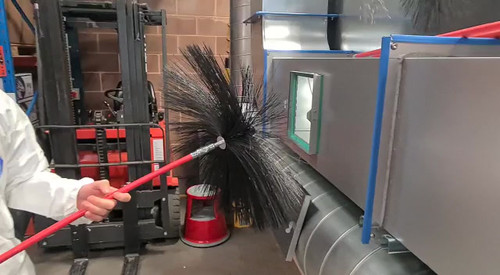
- HVAC Duct Cleaning: These brushes are essential for removing dust, lint, and debris from air ducts, improving air quality and system efficiency.
- Dryer Vent Maintenance: Regular use helps prevent lint buildup, reducing fire hazards and enhancing dryer performance.
- Industrial Equipment Cleaning: Factories and production lines use rotary brushes to clean conveyor belts, rollers, and other machinery parts.
- Surface Preparation: Before painting or coating, nylon bristle brushes can remove old finishes, rust, or contaminants without damaging the substrate.
- Household Cleaning: Attachments for drills or vacuums make it easy to scrub grout, tiles, and hard-to-reach areas.

How to Select the Right Nylon Bristle Rotary Brush
Choosing the correct brush for your needs involves considering several factors:
- Bristle Diameter and Stiffness: Thicker, stiffer bristles are better for heavy-duty cleaning, while finer bristles suit delicate surfaces.
- Brush Size: Match the brush diameter to the duct, pipe, or surface you need to clean for optimal coverage and efficiency.
- Attachment Compatibility: Ensure the brush fits your cleaning tool, whether it’s a drill, vacuum, or specialized rotary system.
- Intended Use: Some brushes are designed specifically for HVAC, while others are multipurpose. Always check manufacturer recommendations.
For those interested in maximizing the lifespan of their cleaning tools, reviewing rotary brush lifespan optimization tips can help you get the most out of your investment.
Maintenance and Care Tips
Proper maintenance ensures your nylon bristle rotary brush remains effective and lasts longer. Here are some best practices:
- Clean After Use: Rinse or brush off debris and allow the bristles to dry completely to prevent mold growth.
- Inspect Regularly: Look for signs of wear, such as bent or broken bristles, and replace the brush if performance declines.
- Store Properly: Keep brushes in a dry, cool place away from direct sunlight and chemicals that could degrade the nylon.
- Follow Manufacturer Guidelines: Use only recommended cleaning agents and avoid excessive force during operation.
For more detailed advice on maintaining brush-based equipment, consider reading these maintenance tips for brush cutters to ensure long-term reliability.
Innovations and Future Trends in Rotary Brush Technology
As cleaning demands evolve, so do the technologies behind rotary brushes. Recent innovations focus on improving bristle formulations for even greater durability and efficiency. Some manufacturers are experimenting with hybrid bristle materials, combining nylon with other synthetics or natural fibers to enhance cleaning power and longevity. Automated systems now integrate sensors and smart controls for precise cleaning in industrial settings.
If you’re interested in what’s next for these tools, explore rotary brush system future trends for insights into upcoming advancements and how they may impact both commercial and residential cleaning.
FAQ
What makes nylon bristles suitable for rotary brushes?
Nylon is chosen for its balance of flexibility, strength, and resistance to chemicals and moisture. This makes it ideal for repeated use in environments where durability and gentle cleaning are both important.
How often should I replace my rotary brush with nylon bristles?
The replacement frequency depends on usage and the materials being cleaned. Inspect your brush regularly for wear or deformation. If bristles become frayed or lose their effectiveness, it’s time to replace the brush to maintain optimal cleaning results.
Can nylon bristle rotary brushes be used on delicate surfaces?
Yes, nylon bristles are gentle enough for many sensitive surfaces, including painted finishes, plastics, and some metals. Always test on a small area first and select a brush with softer, finer bristles for delicate applications.
Conclusion
Rotary brush nylon bristles offer a practical, long-lasting solution for a variety of cleaning and maintenance tasks. Their adaptability, resilience, and effectiveness make them a top choice for both industrial and household use. By selecting the right brush, following proper care routines, and staying informed about new developments, users can ensure efficient and safe cleaning results for years to come.