Rotary brush environmentally friendly cleaning is gaining traction as a preferred method for maintaining cleanliness in both residential and commercial settings. With growing concerns about sustainability and reducing chemical use, more people are turning to mechanical solutions that minimize environmental impact. Rotary brush systems offer a practical, effective way to tackle dust, debris, and buildup without relying heavily on harsh detergents or excessive water consumption.
This approach not only supports eco-friendly practices but also delivers impressive results across a range of surfaces and industries. Whether you’re looking to clean air ducts, solar panels, industrial floors, or even outdoor walkways, rotary brush technology provides a versatile and responsible solution. For those interested in best practices and advanced applications, exploring rotary brush solutions for production environments can offer deeper insights into optimizing cleaning processes.
Understanding Rotary Brush Eco Cleaning Methods
The core principle behind rotary brush systems is simple: a rotating brush head, powered by a motor or drill, agitates and lifts dirt from surfaces. This mechanical action reduces the need for chemical cleaners and excessive water, making it a more sustainable choice. The bristles can be tailored for different materials, from soft nylon for delicate surfaces to stiffer options for tougher grime.
Unlike traditional scrubbing or pressure washing, rotary brush cleaning is more targeted and efficient. It can reach into crevices and remove stubborn debris without damaging the underlying material. This makes it ideal for applications like HVAC duct cleaning, solar panel maintenance, and even snow removal. For a closer look at the components involved, see this guide to commercial-grade rotary broom components.
Benefits of Sustainable Rotary Brush Cleaning
Adopting rotary brush environmentally friendly cleaning methods brings several advantages for both users and the planet:
- Reduced Chemical Use: Mechanical agitation often eliminates the need for strong detergents, lowering the risk of harmful runoff into water systems.
- Water Conservation: These systems typically require less water than pressure washers or traditional mopping, supporting conservation efforts.
- Energy Efficiency: Many rotary brush tools can be powered by cordless drills or low-energy motors, minimizing electricity consumption.
- Versatility: Suitable for a wide range of surfaces, from ductwork and vents to solar panels, siding, and industrial floors.
- Improved Indoor Air Quality: Especially when used in HVAC systems, rotary brushes help remove dust and allergens, promoting healthier environments.
For organizations seeking to meet regulatory requirements or internal sustainability goals, these benefits make rotary brush systems an appealing choice.

Key Applications for Green Rotary Brush Cleaning
The adaptability of rotary brush systems makes them suitable for a variety of cleaning challenges. Here are some of the most common uses:
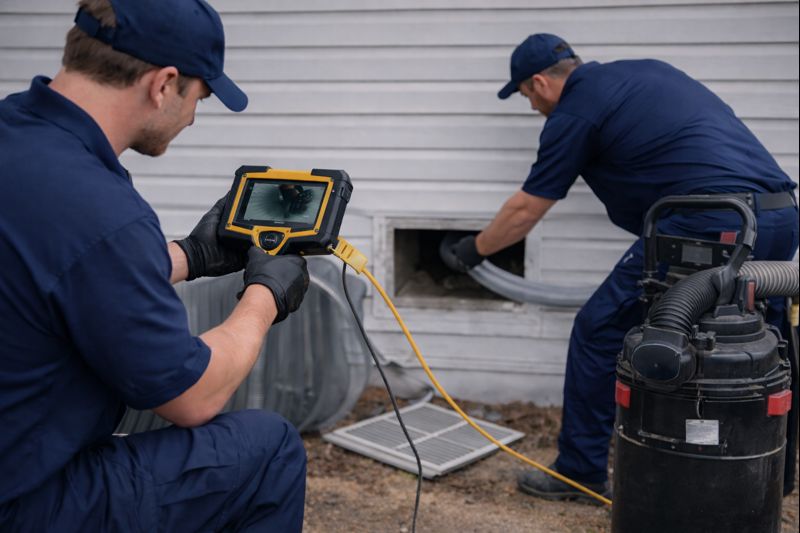
- Air Duct and Vent Cleaning: Removing dust, lint, and debris from HVAC systems helps improve air quality and system efficiency. Tools like the LintEater system are specifically designed for these tasks.
- Solar Panel Maintenance: Gentle rotary brushes can clear dirt and pollen from solar panels without scratching the surface, ensuring optimal energy production.
- Industrial and Commercial Floors: Large-scale rotary brooms are used to clean warehouses, factories, and parking lots, reducing reliance on chemical floor cleaners.
- Snow and Debris Removal: Outdoor rotary brooms efficiently clear snow, leaves, and gravel from sidewalks and driveways, providing a chemical-free alternative to salt or de-icers.
For those interested in maintaining high standards, the rotary brush cleaning quality standards guide offers detailed recommendations for achieving consistent, eco-friendly results.
How Rotary Brushes Support Environmental Goals
Switching to mechanical cleaning methods aligns with broader sustainability objectives. By minimizing the use of single-use cleaning products and reducing chemical exposure, rotary brush systems help lower a facility’s environmental footprint. Many organizations now include these practices as part of their green building certifications or corporate responsibility programs.
Additionally, the durability of rotary brush equipment means less frequent replacement and reduced waste. Many brushes are made from recyclable materials or can be refurbished, further supporting a circular economy approach.
Choosing the Right Rotary Brush System for Eco Cleaning
Selecting the appropriate rotary brush tool depends on the surface, type of debris, and desired level of environmental impact. Here are some considerations:
- Bristle Material: Nylon is gentle and suitable for most indoor applications, while stiffer bristles are better for outdoor or industrial use.
- Brush Size: Smaller brushes are ideal for vents and tight spaces, while larger brooms cover more area for floors and outdoor cleaning.
- Power Source: Manual, drill-powered, or motorized options are available. Cordless tools offer flexibility and reduce energy use.
- Attachment Compatibility: Ensure the brush fits your existing cleaning equipment for maximum efficiency.
For troubleshooting and ongoing maintenance, resources like the rotary brush troubleshooting common issues guide can help users address challenges and extend the lifespan of their equipment.
Safety and Best Practices for Green Rotary Brush Cleaning
While rotary brush systems are generally safe, following proper procedures ensures both effective cleaning and operator safety. Always wear appropriate protective gear, especially when cleaning ducts or handling dust. Secure loose clothing and hair to prevent entanglement in moving parts.
Regularly inspect brushes for wear and replace them as needed to maintain performance and avoid damaging surfaces. For a comprehensive overview of safe operation, refer to the rotary brush workplace safety standards.
Future Directions in Eco-Friendly Rotary Brush Technology
Innovation continues to drive improvements in sustainable cleaning. New materials, such as biodegradable bristles and recycled brush heads, are entering the market. Smart rotary brush systems with sensors and automation can further reduce resource use and improve results.
To stay informed about upcoming trends and advancements, the rotary brush system future trends article provides valuable updates for both professionals and environmentally conscious consumers.
Frequently Asked Questions
How does rotary brush cleaning reduce environmental impact?
By relying on mechanical action rather than chemicals or large volumes of water, rotary brush cleaning minimizes pollution and conserves resources. The targeted agitation lifts dirt efficiently, reducing the need for disposable cleaning products and harsh detergents.
Can rotary brush systems be used on delicate surfaces?
Yes, many rotary brushes are designed with soft bristles suitable for delicate surfaces like solar panels, vents, and electronics. Always select the appropriate brush type and test on a small area first to ensure compatibility.
Are there industry standards for eco-friendly rotary brush cleaning?
Yes, several organizations and manufacturers provide guidelines for sustainable cleaning practices. Following these standards helps ensure effective results while minimizing environmental harm. For more information, consult resources like the rotary brush cleaning quality standards guide linked above.