Rotary brush deburring systems have become essential in modern manufacturing and maintenance, offering a reliable solution for removing burrs, cleaning surfaces, and ensuring a high-quality finish on a wide range of materials. Whether used in metalworking, duct cleaning, or industrial fabrication, these systems deliver efficiency and consistency that manual methods struggle to match.
In this guide, we’ll explore how these advanced tools work, their key benefits, and what to consider when selecting the right system for your needs. You’ll also find practical advice on optimizing performance and links to further resources, including a detailed overview of rotary brush hybrid cleaning systems and other related topics.
Understanding Rotary Brush Deburring Technology
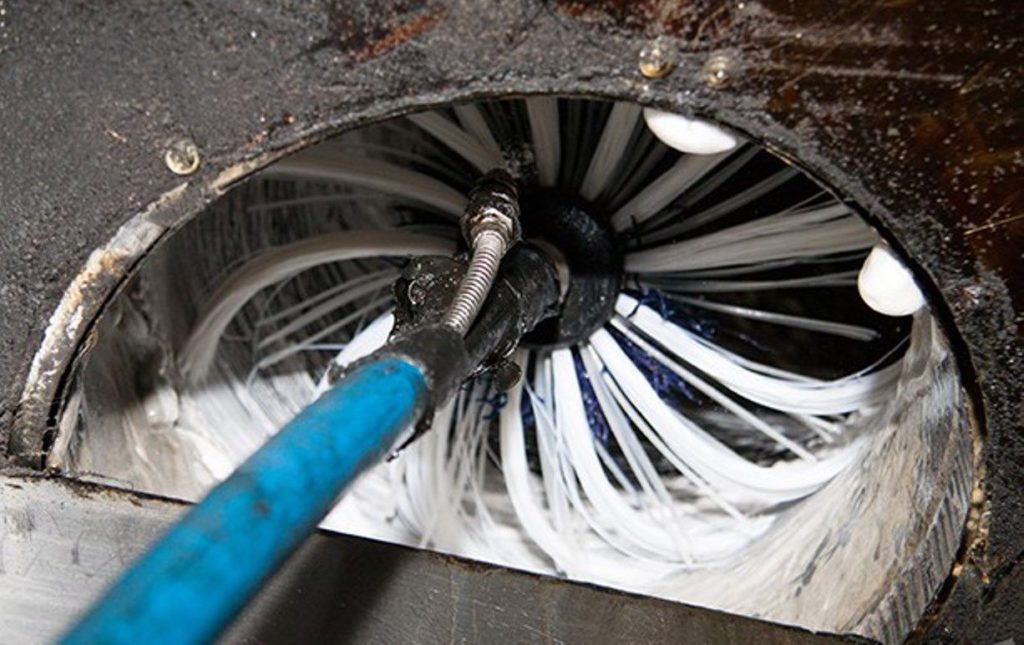
At its core, a rotary brush deburring system uses a rapidly spinning brush—often made from nylon, wire, or abrasive materials—to remove sharp edges, burrs, and surface contaminants from workpieces. These systems are widely used in industries such as automotive, aerospace, HVAC, and electronics, where precision and surface integrity are critical.
Unlike manual deburring, which can be inconsistent and labor-intensive, automated rotary brush tools deliver uniform results and can be easily integrated into production lines. This not only improves product quality but also reduces the risk of workplace injuries caused by sharp burrs or repetitive manual tasks.
Key Advantages of Automated Deburring Solutions
There are several compelling reasons to choose a rotary brush deburring system over traditional methods:
- Consistency: Automated brushes maintain even pressure and speed, ensuring every part is finished to the same standard.
- Efficiency: These systems can process multiple parts quickly, reducing cycle times and increasing throughput.
- Versatility: Suitable for a variety of materials including metals, plastics, and composites.
- Reduced Labor Costs: Automation minimizes manual intervention, freeing up skilled workers for more complex tasks.
- Enhanced Safety: By eliminating sharp burrs, these tools help prevent cuts and injuries during handling and assembly.
For those interested in hybrid approaches that combine different cleaning and finishing techniques, the article on rotary brush hybrid cleaning systems provides further insights into maximizing results.
Applications Across Industries
Rotary brush deburring systems are not limited to a single sector. Their adaptability makes them valuable in a range of applications:
- Metal Fabrication: Removing burrs from stamped, laser-cut, or machined parts.
- HVAC and Duct Cleaning: Clearing debris and buildup from ventilation systems for improved air quality and system performance.
- Automotive Manufacturing: Preparing components for assembly or coating by ensuring smooth edges and clean surfaces.
- Electronics: Cleaning circuit boards and delicate assemblies without causing damage.
For example, in duct cleaning, rotary brush tools are often paired with vacuum systems to dislodge and extract dust, mold, and contaminants. This approach is detailed in resources like the rotary floor brush machine overview, which highlights the cleaning power and flexibility of these systems.

Choosing the Right Rotary Brush Deburring Equipment
Selecting the most suitable system depends on several factors, including the material being processed, the size and complexity of the parts, and the desired finish. Here are some key considerations:
- Brush Material: Nylon brushes are gentle and ideal for delicate surfaces, while wire or abrasive brushes are better for tougher burrs and heavy-duty cleaning.
- Brush Size and Shape: The diameter and profile of the brush should match the geometry of the workpiece for optimal contact and coverage.
- Speed and Torque: Adjustable speed controls allow operators to fine-tune performance for different materials and burr sizes.
- System Integration: For high-volume production, look for systems that can be automated or integrated with existing conveyors and robotics.
- Maintenance and Durability: Choose equipment that is easy to maintain and features replaceable brushes to minimize downtime.
For a detailed breakdown of motor options and what to look for when purchasing, the rotary brush motor selection guide offers valuable insights.
Maintenance Tips for Long-Lasting Performance
Proper care and regular maintenance are crucial for keeping your rotary brush deburring tools operating at peak efficiency. Here are some best practices:
- Inspect Brushes Regularly: Check for wear, deformation, or missing bristles, and replace brushes as needed to maintain consistent results.
- Clean After Use: Remove debris and buildup from the brush and housing to prevent clogging and ensure smooth operation.
- Lubricate Moving Parts: Follow manufacturer guidelines for lubricating bearings and rotating components.
- Monitor System Settings: Adjust speed and pressure to match the material and avoid excessive wear.
For more detailed strategies on extending the lifespan of your equipment, refer to the rotary brush lifespan optimization guide.
Advanced Uses and Specialized Applications
Beyond basic deburring, rotary brush systems are also used for surface conditioning, rust removal, and contamination control. For example, specialized brushes can be fitted to remove oxidation or prepare surfaces for painting and coating. In environments where cleanliness is paramount, such as food processing or medical device manufacturing, these systems help maintain strict hygiene standards.
If you’re tackling rust or contamination, dedicated resources on rotary brush system for rust removal and rotary brush system for contamination control offer targeted advice and product recommendations.
Frequently Asked Questions
What materials can be processed with rotary brush deburring systems?
These systems are highly versatile and can be used on metals (steel, aluminum, brass), plastics, composites, and even delicate electronic components. The choice of brush material and system settings should be matched to the specific application for best results.
How do I know when to replace the brush in my system?
Signs that a brush needs replacement include uneven wear, missing bristles, reduced cleaning or deburring effectiveness, and visible deformation. Regular inspections and following manufacturer recommendations will help ensure optimal performance.
Are rotary brush deburring systems safe to use?
When operated according to manufacturer instructions and with appropriate safety measures (such as guards and personal protective equipment), these systems are generally safe. They also improve workplace safety by eliminating sharp burrs and reducing manual handling risks.
Conclusion
Rotary brush deburring systems offer a powerful combination of efficiency, precision, and adaptability for a wide range of industrial and maintenance tasks. By understanding the technology, choosing the right equipment, and following best practices for care and operation, businesses can achieve superior results while minimizing costs and downtime. For further reading on hybrid systems, motor selection, and advanced cleaning applications, explore the internal resources linked throughout this article.