Rotary brush systems are essential tools for professionals and homeowners seeking effective cleaning of ducts, vents, and other hard-to-reach spaces. Achieving optimal performance from these systems not only ensures cleaner results but also extends the lifespan of your equipment and reduces maintenance costs. Understanding how to boost rotary brush system efficiency can make a significant difference in your cleaning outcomes and operational productivity.
This article explores practical strategies, maintenance routines, and expert tips to help you get the most out of your rotary brush equipment. From choosing the right attachments to following best practices for use and care, you’ll discover actionable steps for enhancing both performance and durability. For those interested in deeper technical insights, you can also review our rotary brush system performance guide for advanced optimization techniques.
Understanding the Fundamentals of Rotary Brush Cleaning
Before you can improve the effectiveness of your cleaning process, it’s important to understand how rotary brush systems work. These devices use motorized or drill-powered rotating brushes to dislodge and remove debris from ducts, vents, and pipes. The combination of rotation and bristle action ensures thorough cleaning, especially in areas where manual methods fall short.
Efficiency in this context refers to how well your system cleans in the least amount of time, with minimal wear on equipment and maximum removal of dust, lint, or buildup. Factors such as brush type, rotation speed, and the nature of the debris all play a role in determining results.
Key Factors That Influence Rotary Brush System Efficiency
Several variables impact the overall performance of your rotary brush setup. Addressing these factors can help you achieve consistently superior cleaning results:
- Brush Selection: Using the correct brush size and bristle material for the target surface is critical. Too stiff, and you risk damaging ducts; too soft, and debris may be left behind.
- Rotation Speed: Adjusting the speed to match the cleaning task ensures effective debris removal without unnecessary wear on the brush or motor.
- System Compatibility: Ensure that all attachments and rods are compatible with your specific system to prevent malfunctions or inefficiency.
- Operator Technique: Steady, controlled movements allow the brush to contact all surfaces evenly, maximizing cleaning coverage.
- Routine Maintenance: Regularly cleaning and inspecting your equipment prevents clogs, reduces downtime, and extends the life of your investment.
For a step-by-step overview of installation and setup, our rotary brush system installation resource provides practical guidance.

Best Practices for Boosting Cleaning Effectiveness
To get the most out of your rotary brush system, it’s essential to follow proven practices that enhance both efficiency and safety. Here are some actionable recommendations:
- Pre-Inspection: Always inspect the area to be cleaned for obstructions, sharp bends, or damage before starting. This helps prevent brush entanglement and equipment damage.
- Gradual Progression: Start with a slower speed and gradually increase as needed. This approach allows you to gauge the level of resistance and adjust accordingly.
- Consistent Pressure: Apply steady, even pressure to ensure the brush maintains contact with all surfaces. Avoid forcing the brush, as this can cause bristle wear or motor strain.
- Use of Extensions: For longer ducts or vents, use extension rods to reach deep sections without losing rotational force.
- Debris Removal: Periodically withdraw the brush to clear accumulated debris, especially during heavy-duty cleaning jobs.
For a broader look at the many ways these systems can be used, see our article on rotary brush system applications.
Maintenance Tips to Sustain Peak Rotary Brush System Efficiency
Regular upkeep is crucial for maintaining high performance and preventing unexpected breakdowns. Here are some essential maintenance tasks:
- Clean Brushes After Use: Remove lint, dust, and other debris from the bristles after each session to prevent buildup and maintain cleaning power.
- Inspect for Wear: Check brushes, rods, and connectors for signs of damage or excessive wear. Replace any components that show significant deterioration.
- Lubricate Moving Parts: Apply appropriate lubricants to moving joints and connectors to reduce friction and extend equipment life.
- Store Properly: Keep your rotary brush system in a dry, protected area to prevent rust and accidental damage.
For a comprehensive checklist, our rotary brush maintenance guide covers everything you need to know for long-term care.
Additionally, you can find more expert advice in this brush cutter maintenance guide that shares tips relevant to rotary brush systems as well.
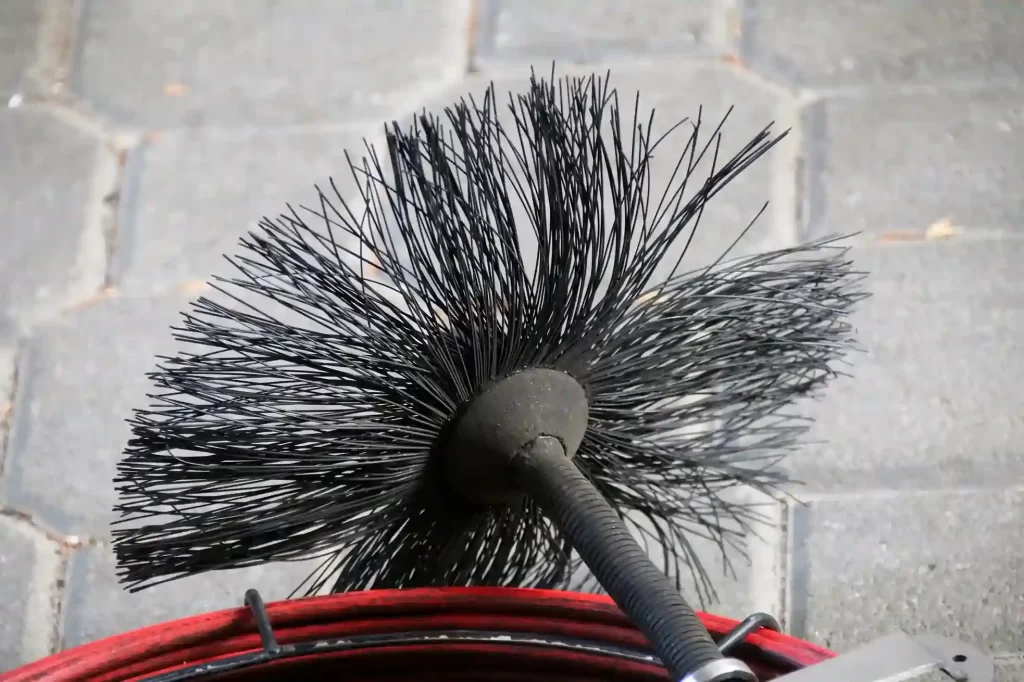
Choosing the Right Rotary Brush System for Your Needs
Not all rotary brush systems are created equal. Selecting the right model and accessories for your specific cleaning requirements can dramatically improve your results. Consider the following when making your choice:
- Application Type: Are you cleaning residential dryer vents, commercial HVAC ducts, or industrial piping? Each scenario may require different brush types and system power.
- Brush Material: Nylon, polypropylene, and steel bristles each have unique strengths. Match the material to your cleaning surface for best results.
- System Versatility: Some systems offer interchangeable heads and adjustable lengths, making them suitable for a wider range of tasks.
- Ease of Use: Look for ergonomic handles, quick-connect rods, and clear instructions to streamline operation and reduce fatigue.
For those interested in advanced features and the latest innovations, our overview of rotary brush cleaning systems highlights top options and their benefits.
Common Mistakes That Reduce Cleaning Efficiency
Even experienced users can fall into habits that undermine the performance of their rotary brush equipment. Avoid these pitfalls to keep your system running at its best:
- Skipping Maintenance: Neglecting regular cleaning and inspection leads to faster wear and less effective cleaning.
- Using Incorrect Attachments: Mismatched brushes or rods can cause poor results or damage to both the system and the ductwork.
- Overloading the System: Attempting to clean too much debris at once can clog the brush and strain the motor.
- Ignoring Manufacturer Guidelines: Always follow the recommended procedures for assembly, operation, and care to avoid preventable issues.
Frequently Asked Questions
How often should I clean my rotary brush system?
It’s best to clean the brushes and inspect all components after each use. For heavy-duty or commercial applications, a more thorough maintenance routine should be performed weekly to ensure peak rotary brush system efficiency and longevity.
Can I use the same brush for different types of ducts?
While some brushes are versatile, it’s important to match the brush material and size to the specific duct or vent. Using the wrong brush can reduce cleaning effectiveness and may damage delicate surfaces.
What are the signs that my rotary brush system needs replacement parts?
Look for frayed or missing bristles, bent rods, or connectors that no longer fit securely. Reduced cleaning performance or unusual noises during operation are also indicators that maintenance or replacement is needed.
Conclusion
Enhancing your rotary brush system’s performance is a combination of proper equipment selection, regular maintenance, and following best practices during operation. By focusing on these areas, you’ll achieve cleaner results, extend the life of your tools, and work more efficiently. For more detailed advice and advanced strategies, explore our resources on rotary brush system performance and related topics throughout our site.