Maintaining clean air ducts is essential for indoor air quality, energy efficiency, and the longevity of your HVAC system. Both round and rectangular ductwork are common in residential and commercial buildings, but each presents unique challenges when it comes to cleaning. Understanding the differences between these duct shapes and the best practices for each can help you achieve a healthier, more efficient home or workspace.
This article provides a detailed comparison of how to clean round vs rectangular ducts, covering the tools, techniques, and considerations for each type. Whether you’re a homeowner looking to tackle duct cleaning yourself or a facility manager seeking to understand professional methods, you’ll find practical advice here. For those interested in broader HVAC maintenance, you might also want to read about how to clean an HRV filter for optimal air exchange system performance.
Understanding Duct Shapes: Round and Rectangular
Before diving into cleaning methods, it’s important to recognize the structural differences between round and rectangular ductwork:
- Round ducts are typically more efficient for airflow, with fewer corners for dust to accumulate. They are common in newer homes and commercial installations.
- Rectangular ducts are often found in older buildings or where space constraints require flat runs. Their corners and seams can trap more debris and are sometimes harder to access.
These differences influence not only how air moves but also how contaminants settle and how cleaning tools can reach various surfaces.
Preparation: What You Need Before Cleaning
Whether you’re cleaning round or rectangular ducts, preparation is key. Gather the following supplies:
- High-powered vacuum with HEPA filter
- Rotary brush or air whip attachment
- Extension rods for deep reaches
- Microfiber cloths and non-abrasive brushes
- Protective gear (gloves, mask, safety glasses)
- Access tools (screwdriver, duct access panels if available)
For enhanced air quality during and after cleaning, consider using a HEPA air scrubber. These devices help capture airborne particles released during the process.
Step-by-Step: Cleaning Round Ducts
Cleaning round ductwork is generally more straightforward due to the smooth, curved surfaces. Here’s how to approach it:
- Turn off the HVAC system to prevent dust from circulating.
- Remove vent covers and use a vacuum hose to remove loose debris near the openings.
- Insert a rotary brush attached to a flexible rod. The round shape allows the brush to spin and contact all surfaces evenly.
- Work the brush through the duct while the vacuum collects loosened dust. Move slowly to ensure thorough contact.
- Wipe accessible areas with a microfiber cloth for a final clean.
- Replace vent covers and turn the system back on.
Round ducts benefit from fewer corners, so rotary brushes are especially effective. However, be mindful of any bends or joints, as debris can collect there.

How to Clean Rectangular Ducts: Best Practices
Rectangular ductwork poses unique challenges due to its corners and flat surfaces. Here’s a recommended approach:
- Shut off the HVAC system and remove vent covers.
- Vacuum the accessible areas, focusing on corners where dust accumulates.
- Use a rectangular or flat brush to reach into corners and along seams. Flexible brushes or air whips can help dislodge stubborn debris.
- For long runs, use extension rods to reach deeper sections. Move the brush methodically to cover all surfaces.
- Wipe down the inside edges with a damp microfiber cloth if possible.
- Inspect for mold or heavy buildup. If present, consider professional cleaning or sanitizing treatments.
- Reinstall vent covers and restart the system.
Because rectangular ducts have more surface area and seams, they may require extra attention and multiple passes with cleaning tools.
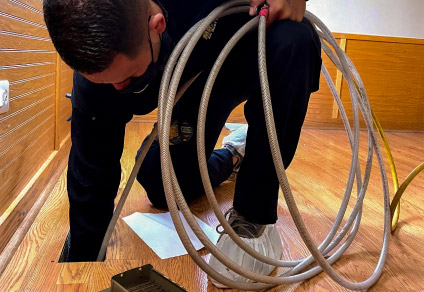
Comparing Cleaning Methods for Different Duct Shapes
When evaluating how to clean round vs rectangular ducts, it’s helpful to consider the pros and cons of each approach:
| Aspect | Round Ducts | Rectangular Ducts |
|---|---|---|
| Ease of Cleaning | Smoother, easier to brush | More corners, harder to reach |
| Tool Effectiveness | Rotary brushes work well | Flat or corner brushes needed |
| Common Issues | Bends can trap dust | Seams and corners collect debris |
| Frequency Needed | Generally less frequent | May require more regular attention |
Both types benefit from regular inspection and maintenance. If you notice persistent dust, odors, or reduced airflow, it may be time for a thorough cleaning.
Professional vs DIY Duct Cleaning
While many homeowners can handle basic duct cleaning, there are times when professional help is recommended—especially for large systems or severe contamination. Professionals use high-powered vacuums, advanced brushes, and sometimes chemical treatments to sanitize ductwork. For a step-by-step overview of DIY duct cleaning, see this comprehensive guide to cleaning air ducts yourself.
If you decide to clean ducts on your own, always prioritize safety. Wear protective gear, avoid harsh chemicals, and ensure the HVAC system is powered off before starting. For specialized systems, such as multi-zone HVAC setups, you may want to consult resources like how to clean a multi zone HVAC system for tailored advice.
Tips for Maintaining Clean Ducts
- Change HVAC filters regularly (every 1–3 months).
- Keep vents and registers free of dust and obstructions.
- Schedule professional inspections every few years.
- Seal leaks or gaps in ductwork to prevent dust intrusion.
- Address moisture issues promptly to prevent mold growth.
Regular maintenance not only improves air quality but also extends the life of your HVAC system.
Frequently Asked Questions
How often should I clean my ductwork?
Most experts recommend cleaning air ducts every 3–5 years. However, homes with pets, allergies, or recent renovations may need more frequent attention. Regular filter changes and inspections can help maintain cleanliness between deep cleanings.
Is it safe to clean ducts myself?
DIY duct cleaning is safe if you follow proper precautions: turn off the HVAC system, use appropriate tools, and wear protective gear. For extensive buildup, mold, or inaccessible areas, hiring a professional is the safest option.
Do round ducts stay cleaner than rectangular ones?
Round ducts tend to accumulate less dust due to their smooth surfaces and efficient airflow. Rectangular ducts, with their corners and seams, can trap more debris and may require more frequent or thorough cleaning.
Conclusion
Understanding the differences in how to clean round vs rectangular ducts ensures you use the right tools and techniques for each type. Regular maintenance, proper cleaning methods, and timely inspections will keep your HVAC system running efficiently and your indoor air quality high. For further tips on vent and duct maintenance, explore guides like how to remove charcoal dust from vents or how to clean a wood stove vent for specialized advice.