A clean, well-ventilated basement is essential for maintaining healthy indoor air and preventing musty odors, mold, and dust buildup. Over time, vents and ductwork in lower levels can accumulate debris, allergens, and even pests, making regular maintenance crucial. Learning how to clean basement ventilation not only improves air quality but also extends the life of your HVAC system and creates a more comfortable living environment.
Many homeowners overlook the importance of basement airflow, but neglecting this area can lead to persistent issues throughout the entire home. By understanding the right steps and tools, you can tackle this task efficiently and safely. If you’re curious about the broader impact of dirty ducts, the impact of dusty ducts on indoor air quality is well worth exploring.

Why Basement Ventilation Needs Regular Attention
Basements are naturally prone to higher humidity, dust, and limited airflow. These conditions make vents and ducts in this area particularly susceptible to clogging and contamination. Regular cleaning helps prevent:
- Mold and mildew growth caused by trapped moisture and organic debris
- Unpleasant odors that can spread to the rest of the house
- Reduced HVAC efficiency and higher energy bills
- Aggravation of allergies and respiratory issues due to dust and allergens
Addressing these issues early can save money on repairs and improve your home’s overall comfort.
Essential Tools and Supplies for Cleaning Basement Vents
Before starting, gather the necessary tools to ensure a thorough job. For a comprehensive list, see the tools needed for DIY duct cleaning guide. Common supplies include:
- Screwdriver (for removing vent covers)
- Vacuum with hose attachment
- Stiff-bristled brush or long-handled duster
- Microfiber cloths
- Mild detergent or cleaning solution
- Protective gloves and mask
- Optional: HEPA air scrubber for enhanced air filtration
Step-by-Step Process: Cleaning Basement Ventilation Ducts
Following a systematic approach ensures you don’t miss any critical areas. Here’s how to tackle the job:
- Turn off your HVAC system to prevent dust from circulating while you clean.
- Remove vent covers using a screwdriver. Soak them in warm, soapy water to loosen grime.
- Vacuum inside the ducts as far as possible using a hose attachment. Pay special attention to corners and seams where dust collects.
- Scrub stubborn debris with a stiff brush or duster. For deeper cleaning, a flexible brush can help reach further inside.
- Wipe down vent covers after soaking, then dry thoroughly before reinstalling.
- Clean surrounding areas such as walls and floors near vents to prevent recontamination.
- Replace vent covers and turn your HVAC system back on.
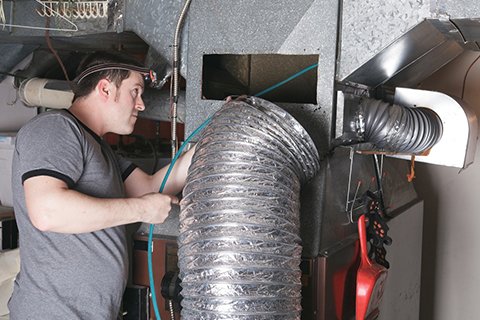
Tips for Maintaining Clean Airflow in the Basement
Consistent maintenance is key to keeping your basement air fresh. Here are some practical tips:
- Schedule routine inspections of vents and ductwork every few months.
- Use a HEPA air scrubber to capture fine particles and allergens, especially after cleaning.
- Seal cracks and gaps in basement walls to prevent dust and pests from entering the ventilation system.
- Control humidity with a dehumidifier to discourage mold growth.
- Replace HVAC filters regularly to support clean airflow throughout the home.
For more guidance on how often to perform these tasks, check out expert advice on how often should air ducts be cleaned.
When to Call a Professional for Basement Vent Cleaning
While many homeowners can handle basic vent cleaning, some situations call for expert help. Consider hiring a professional if you notice:
- Persistent mold or mildew despite regular cleaning
- Unusual odors that don’t go away
- Visible rodent or insect infestations in ductwork
- Extensive dust buildup beyond your reach
- Allergy symptoms that worsen after cleaning attempts
Professionals use specialized equipment and techniques to ensure a thorough job. Curious about what to expect? Learn more about what happens during a professional duct cleaning to help you decide if it’s time to call in the experts.
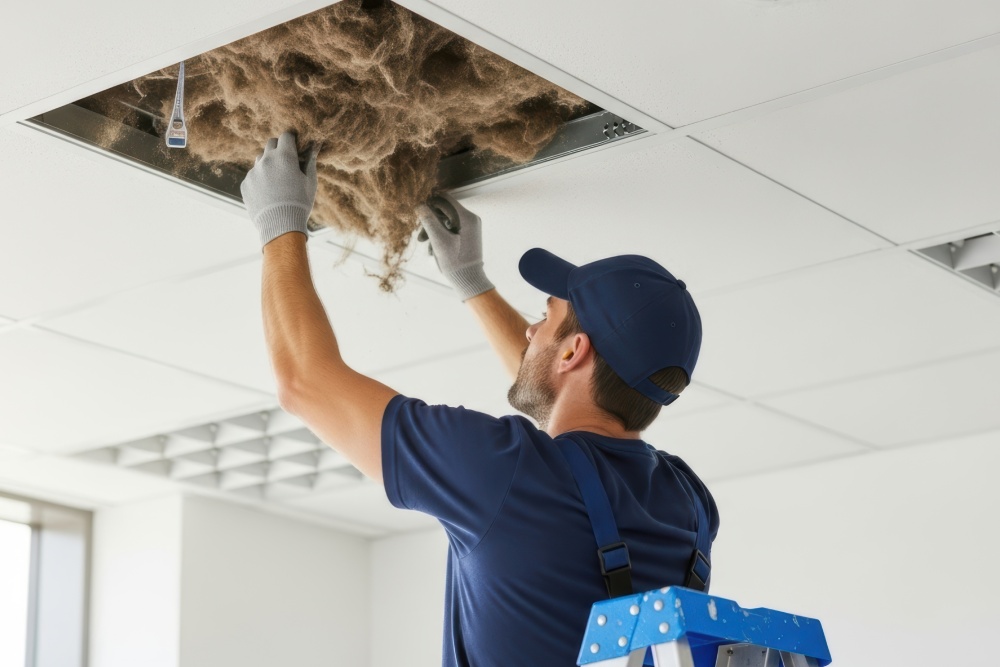
DIY vs. Professional: Making the Right Choice
Deciding whether to tackle vent cleaning yourself or hire a specialist depends on your comfort level, tools, and the condition of your system. For those interested in a hands-on approach, this step-by-step DIY guide for cleaning air ducts provides detailed instructions. If you’re weighing the pros and cons, this comparison of DIY versus professional duct cleaning can help you make an informed decision.
DIY cleaning is suitable for light maintenance and accessible vents, while professionals are better equipped for deep cleaning, mold remediation, and hard-to-reach areas.
Frequently Asked Questions
How often should basement vents be cleaned?
It’s generally recommended to clean basement vents every 1–2 years, or more frequently if you notice dust buildup, musty odors, or allergy symptoms. High-traffic homes or those with pets may require more regular attention.
What are the signs that basement ventilation needs cleaning?
Common indicators include visible dust on vent covers, persistent odors, increased allergy symptoms, and reduced airflow. If you spot mold or pest activity, immediate cleaning is advised.
Can I clean basement vents myself, or should I hire a professional?
Many homeowners can handle basic vent cleaning with the right tools and safety precautions. However, if you encounter mold, heavy buildup, or inaccessible ductwork, it’s best to consult a professional for thorough service.