Keeping your home’s air clean starts with maintaining the components that bring fresh air inside. One often-overlooked part of your HVAC system is the outdoor air intake screen. Over time, these screens can collect dust, pollen, leaves, and other debris, which can restrict airflow and reduce your system’s efficiency. Learning how to clean an outdoor air intake screen is a simple yet essential task that can help improve indoor air quality and extend the life of your HVAC system.
Regular maintenance of these screens not only ensures optimal airflow but also prevents contaminants from entering your living spaces. Neglecting this step can lead to increased energy consumption and may even contribute to respiratory issues for sensitive individuals. In this article, you’ll find a step-by-step approach to cleaning your intake screen, recommended tools, safety tips, and answers to common questions.
For those interested in understanding the broader impact of duct cleanliness, consider reading about the impact of dusty ducts on indoor air quality for a deeper look at how these components affect your home’s environment.
Why Regular Maintenance of Air Intake Screens Matters
The outdoor air intake screen acts as the first line of defense, filtering out large particles before they enter your HVAC system. When these screens become clogged, your system must work harder to draw in air, which can lead to higher energy bills and increased wear on equipment. More importantly, a blocked screen can allow contaminants to bypass filtration, affecting the air you breathe indoors.
Consistent cleaning helps maintain proper airflow, supports system longevity, and keeps your indoor environment healthier. If you’re curious about the frequency of cleaning, experts discuss how often should air ducts be cleaned to help you establish a maintenance routine.
Essential Tools and Supplies for Cleaning
Before starting, gather the necessary tools to ensure a thorough and safe cleaning process. Having the right equipment on hand will make the job more efficient and help you avoid damaging the screen or surrounding components.
- Soft-bristle brush or handheld vacuum with brush attachment
- Garden hose with spray nozzle
- Mild detergent or dish soap
- Bucket of warm water
- Protective gloves and safety glasses
- Screwdriver (if the screen is secured with screws)
- Microfiber cloth or towel for drying
For a complete list of recommended equipment for duct maintenance, check out the tools needed for DIY duct cleaning guide.
Step-by-Step Instructions for Cleaning Your Outdoor Air Intake Screen
Following a systematic approach ensures you remove all debris and avoid damaging the screen or surrounding HVAC components. Here’s how to get the job done safely and effectively:
- Turn Off Your HVAC System: Before starting, switch off your heating or cooling system to prevent it from drawing in debris during cleaning.
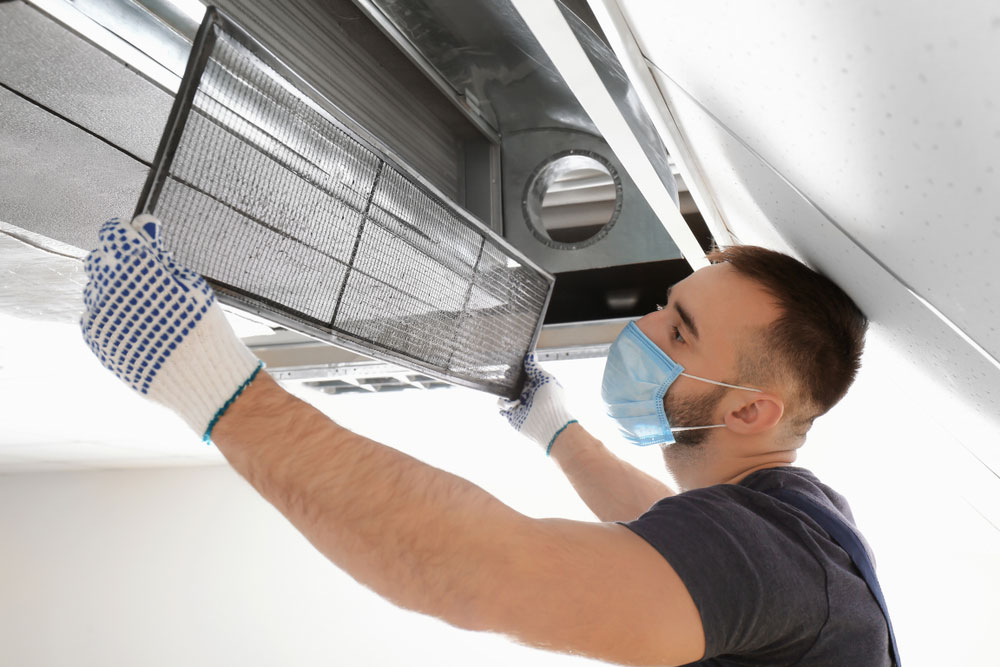
- Locate and Access the Intake Screen: Find the outdoor air intake vent, typically located on an exterior wall or near the foundation. If the screen is secured with screws, use a screwdriver to remove it carefully.
- Remove Loose Debris: Use a soft-bristle brush or a handheld vacuum to gently clear away leaves, dust, and cobwebs from the surface of the screen.
- Wash the Screen: Mix a small amount of mild detergent with warm water. Dip the brush or a cloth in the solution and gently scrub the screen. For stubborn dirt, a garden hose with a spray nozzle can help rinse away residue. Avoid using high-pressure settings, which can damage the mesh.
- Rinse and Dry: After cleaning, rinse the screen thoroughly with clean water. Shake off excess moisture and dry with a microfiber cloth or allow it to air dry completely before reinstalling.
- Reinstall the Screen: Once dry, reattach the screen securely. Make sure it fits snugly to prevent pests or debris from entering.
- Restore Power: Turn your HVAC system back on and check for proper airflow.
For those who prefer a more visual approach or want to tackle duct cleaning themselves, a comprehensive DIY air duct cleaning guide offers additional tips and safety advice.
Tips for Safe and Effective Cleaning
Taking a few precautions can help you avoid injury and ensure the cleaning process goes smoothly:
- Always wear gloves and safety glasses to protect yourself from dust, debris, and cleaning agents.
- Check for signs of mold or mildew. If you notice discoloration or a musty odor, consider consulting a professional for further inspection.
- Inspect the screen for damage. Replace it if you find holes, rust, or significant wear.
- Schedule cleaning at least twice a year, or more frequently if you live in an area with high pollen, dust, or construction activity.
- Keep the area around the intake vent clear of plants, mulch, or objects that could block airflow.
If you want to know what happens during a professional duct cleaning, this resource provides a detailed overview of the process and what to expect from a service visit.
When to Call a Professional
While most homeowners can handle cleaning the intake screen themselves, there are situations where professional help is recommended. If you encounter persistent blockages, visible mold, or notice a significant drop in system performance, a certified technician can assess and address the issue safely. Professionals have specialized tools and expertise to handle more complex problems, ensuring your HVAC system remains efficient and safe.
For those interested in tackling more extensive duct maintenance, you can follow a step-by-step DIY air duct cleaning guide to learn about best practices and safety measures.
Frequently Asked Questions
How often should I clean my outdoor air intake screen?
It’s generally recommended to clean the intake screen at least twice a year—once in the spring and again in the fall. However, if you live in an area with heavy pollen, dust, or construction, more frequent cleaning may be necessary.
What are the signs that my intake screen needs cleaning?
Reduced airflow from vents, increased dust inside your home, and visible debris or discoloration on the screen are common indicators. If you notice your HVAC system working harder than usual, it’s a good idea to inspect the intake screen.
Can I use a pressure washer to clean the screen?
It’s best to avoid using a pressure washer, as the force can damage the mesh or frame. Instead, use a garden hose with a gentle spray or clean the screen manually with a brush and mild detergent.
Is it necessary to replace the intake screen?
If you find holes, significant rust, or structural damage during cleaning, it’s wise to replace the screen to ensure proper filtration and protection for your HVAC system.
Conclusion
Learning how to clean an outdoor air intake screen is a straightforward yet impactful way to support your home’s air quality and HVAC efficiency. By following the steps outlined above and performing regular maintenance, you can prevent unnecessary repairs, save on energy costs, and create a healthier living environment. For more information on keeping your ducts and HVAC system in top shape, explore related resources and consider professional help when needed.