The future of duct camera inspection is rapidly evolving, driven by advancements in imaging, robotics, and data analytics. As commercial and residential buildings become more complex, the need for precise, efficient, and reliable ductwork inspection grows. Professionals and property owners alike are seeking solutions that can provide detailed insights into air duct conditions, identify blockages, and support preventive maintenance—all while minimizing disruption and cost.
In this article, we’ll explore how innovations are transforming the way ductwork is inspected, what trends are emerging, and what these changes mean for HVAC professionals and building managers. If you’re interested in optimizing your inspection process, you may also find value in the duct camera inspection best practices guide, which covers practical tips for effective assessments.

Key Drivers Shaping Next-Generation Duct Inspection
Several factors are accelerating the adoption of advanced duct camera systems. First, there’s a growing emphasis on indoor air quality and energy efficiency. Building owners want to ensure their HVAC systems are free of contaminants and operating at peak performance. Second, regulatory requirements are becoming stricter, especially in commercial and healthcare environments, prompting more frequent and thorough inspections.
Lastly, the cost and complexity of traditional inspection methods—often involving manual labor and partial disassembly—are pushing the industry toward smarter, less invasive solutions. This shift is paving the way for new technologies that offer high-definition visuals, real-time diagnostics, and automated reporting.
Emerging Technologies in Duct Camera Inspection
The latest generation of duct cameras is a leap forward from earlier models. Modern systems now feature compact, flexible designs that can navigate tight bends and long duct runs. High-resolution imaging, sometimes with 360-degree or panoramic views, allows for a more comprehensive assessment of duct interiors.
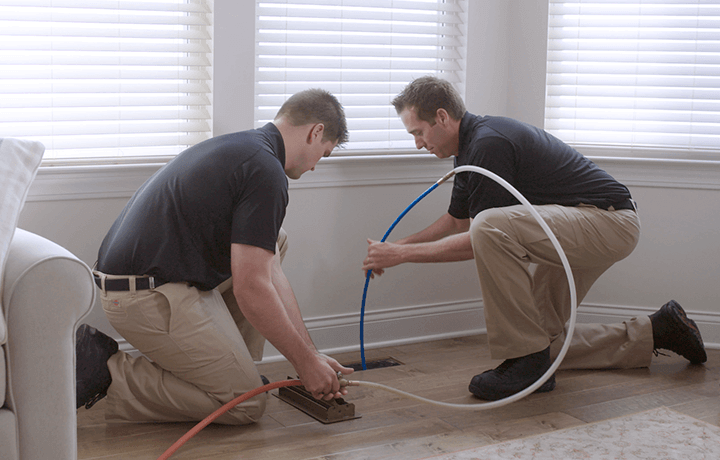
- Wireless connectivity: Many new inspection cameras transmit live video to tablets or smartphones, enabling instant review and collaboration.
- AI-powered analysis: Artificial intelligence is being used to automatically detect issues such as mold, corrosion, or debris, reducing the risk of human error.
- Robotic crawlers: Small, motorized devices equipped with cameras and sensors can travel deep into ductwork, capturing footage and environmental data along the way.
- Cloud-based reporting: Inspection results are increasingly stored and shared via secure online platforms, making it easier to track maintenance history and compliance.
Benefits of Advanced Duct Inspection Tools
The adoption of these innovations brings a range of benefits. For technicians, improved maneuverability and image clarity mean less guesswork and more accurate diagnoses. For building owners, faster inspections translate to reduced downtime and lower labor costs. Automated documentation streamlines compliance with health and safety standards.
In addition, advanced systems can help identify problems before they escalate, supporting a proactive approach to HVAC maintenance. This not only extends the lifespan of equipment but also contributes to better air quality and energy savings.
How Data Analytics Is Transforming Inspections
One of the most significant trends in the future of duct camera inspection is the integration of data analytics. By collecting and analyzing large volumes of inspection data, service providers can spot patterns, predict failures, and recommend targeted interventions.
For example, AI-driven platforms can compare footage from multiple inspections to detect gradual changes over time. This predictive capability enables more effective maintenance planning and resource allocation.
To see how these tools are applied in real-world scenarios, you might explore duct camera inspection case studies that highlight successful outcomes and lessons learned.
Challenges and Considerations for Adopting New Technologies
While the benefits are clear, there are also challenges to consider. Investing in advanced inspection equipment requires upfront capital and ongoing training. Not all ductwork is easily accessible, and some environments may present obstacles for robotic devices or wireless signals.
Data privacy and cybersecurity are also important, especially when inspection results are stored or transmitted online. Service providers must ensure that sensitive building information is protected.
Industry Standards and Best Practices
As technology evolves, so do industry standards. Organizations are developing new guidelines to ensure that digital inspection methods meet quality and safety requirements. Following established protocols helps maintain consistency and reliability in inspection results.
For those looking to deepen their understanding, resources like the duct camera inspection troubleshooting guide and articles on duct camera inspection myths explained can provide valuable context and practical advice.
What’s Next for Duct Camera Inspection?
Looking ahead, we can expect even greater integration of smart technologies. Future systems may feature enhanced AI, real-time 3D mapping, and even autonomous inspection drones for large-scale or hard-to-reach ductwork. As costs decrease and capabilities expand, these tools will become more accessible to a wider range of service providers and building owners.
For those considering which system to invest in, it’s important to evaluate not just the hardware, but also the software and support ecosystem. Guides on how to choose a duct camera inspection service can help you make informed decisions based on your specific needs and budget.
To see examples of how these technologies are being used in the field, you can review real-world applications of HVAC duct camera inspection for additional insights.
FAQ: Duct Camera Inspection Technology
How does AI improve duct camera inspections?
Artificial intelligence can analyze inspection footage to automatically detect issues such as blockages, mold, or corrosion. This reduces the chance of human error and speeds up the review process, making inspections more reliable and efficient.
Are robotic duct cameras suitable for all types of ductwork?
While robotic crawlers can navigate many duct systems, extremely narrow or complex layouts may still pose challenges. It’s important to select equipment that matches the size and configuration of your ductwork for optimal results.
What should I look for when choosing a duct camera inspection service?
Consider factors such as the resolution and flexibility of the camera system, the provider’s experience with your type of building, and their approach to data security. Reviews and guides on selecting a service can help you make an informed choice.