Selecting the right provider for inspecting your air ducts with a camera system is a crucial step in maintaining indoor air quality and ensuring the efficiency of your HVAC system. With so many companies offering these services, it can be challenging to know what to look for and how to make an informed decision. This guide will walk you through the most important factors to consider, from the technology used to the experience of technicians, so you can confidently choose a service that meets your needs.
Before diving into the key criteria, it’s helpful to understand how duct camera inspections work and why accuracy matters. For a deeper look at the reliability of these inspections, you may want to review duct camera inspection accuracy and how it impacts your results.

Understanding Duct Camera Inspection Services
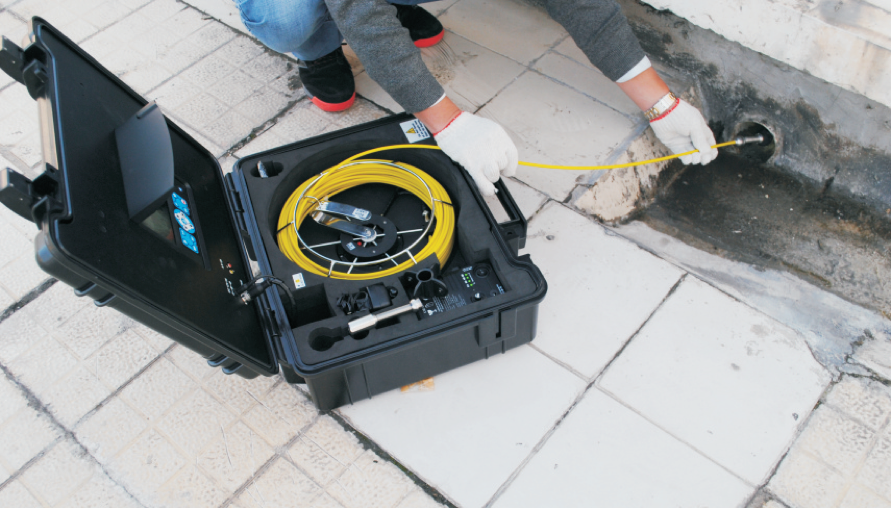
A duct camera inspection involves using specialized cameras to visually assess the inside of your HVAC ducts. This process helps identify blockages, leaks, mold, dust buildup, and other issues that may affect air quality or system performance. Choosing a qualified provider ensures you get clear, actionable information about the condition of your ductwork.
Key Factors When Selecting a Duct Camera Inspection Provider
1. Experience and Credentials
The expertise of the technicians performing the inspection is fundamental. Look for companies with a proven track record and technicians who are trained in both HVAC systems and camera technology. Certifications from recognized industry organizations can be a sign of professionalism and commitment to quality.
2. Inspection Technology and Equipment
Not all inspection cameras are created equal. Ask about the type of camera system used—high-resolution video, pan-and-tilt capabilities, and real-time recording are features that enhance the thoroughness of the inspection. Advanced equipment can detect issues that basic cameras might miss, resulting in more accurate assessments.
3. Transparency and Reporting
A reputable service will provide you with detailed reports, including images or video footage from inside your ducts. This transparency allows you to see the condition of your system firsthand and make informed decisions about cleaning or repairs. Make sure the provider offers clear documentation and is willing to explain their findings.
4. Reputation and Customer Reviews
Take time to research the company’s reputation. Online reviews, testimonials, and word-of-mouth recommendations can give you insight into the quality of service and customer satisfaction. Consistently positive feedback is a strong indicator of reliability.
5. Pricing and Value
While cost is always a consideration, the cheapest option is not always the best. Compare quotes from several providers, but also weigh the value offered—such as the thoroughness of the inspection, the quality of the report, and the provider’s willingness to answer questions. Avoid companies that offer vague pricing or pressure you into unnecessary services.
Comparing Duct Camera Inspection to Other Options
Some property owners wonder whether visual inspections or traditional cleaning methods are sufficient. While manual inspections can catch obvious issues, camera-based assessments provide a much more detailed view. For those weighing the pros and cons, the duct camera inspection vs duct cleaning decision guide offers a comprehensive comparison.
Common Pitfalls to Avoid
- Choosing based solely on price: Low-cost providers may cut corners or use outdated equipment.
- Not verifying credentials: Always check for certifications and insurance.
- Overlooking reporting quality: Insist on receiving clear, detailed documentation.
- Ignoring limitations: Even advanced camera systems have their constraints. For more on this, see duct camera inspection limitations.
What to Expect During the Inspection Process
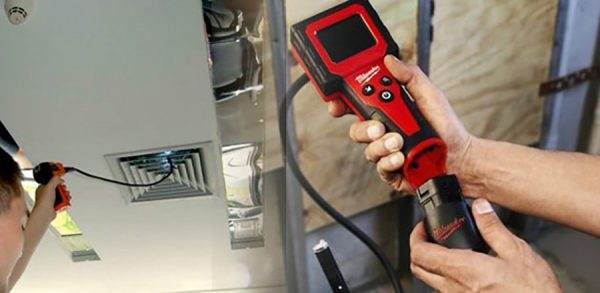
A typical inspection begins with a technician inserting a specialized camera into your ductwork. The camera transmits live video to a monitor, allowing the technician to spot issues such as debris, mold, or damage. After the inspection, you should receive a comprehensive report, often with images or video clips, and recommendations for next steps.
For those working in specialized environments, such as clean rooms, there are additional considerations. Learn more about tailored solutions in duct camera inspection for clean rooms.
Industry Standards and Best Practices
When evaluating providers, check if they follow established industry standards. Organizations like NADCA (National Air Duct Cleaners Association) set guidelines for inspection and cleaning. For a professional perspective, refer to the NADCA guide for new technicians to understand what best practices look like in the field.
FAQ
What are the main benefits of using a camera for duct inspections?
Camera inspections provide a clear, real-time view of the inside of your ductwork, allowing for precise identification of blockages, leaks, or contamination. This method is less invasive and more accurate than traditional visual checks, helping you address issues before they become major problems.
How often should I schedule a duct camera inspection?
The frequency depends on factors like the age of your HVAC system, recent renovations, or if you notice changes in air quality. Generally, an inspection every 3–5 years is recommended, or sooner if you suspect problems.
Does a duct camera inspection replace the need for duct cleaning?
No, an inspection is a diagnostic tool that helps determine if cleaning or repairs are needed. For more details, see does duct camera inspection replace cleaning.
What should I look for in the inspection report?
A thorough report should include high-quality images or video, clear descriptions of any issues found, and recommendations for next steps. Transparency and detail are key indicators of a reputable provider.