Keeping your HVAC system in top condition requires more than just regular filter changes and occasional cleaning. One of the most effective ways to assess the true state of your ductwork is through a camera inspection. This process allows professionals to visually examine the inside of your air ducts, revealing issues that might otherwise go unnoticed. However, not all findings are equal—some signs uncovered during these inspections should prompt immediate attention.
Understanding the most common duct camera inspection red flags can help homeowners and facility managers make informed decisions about maintenance, repairs, and indoor air quality. In this article, we’ll break down the warning signs to watch for, explain their implications, and offer guidance on what to do if these issues are detected.
For those new to this technology, our what is duct camera inspection guide covers the basics and benefits of using cameras for ductwork analysis.
Why Duct Camera Inspections Matter
Air ducts are often hidden behind walls, ceilings, or floors, making it difficult to spot problems without specialized tools. Camera inspections provide a real-time, inside view, helping technicians identify issues that could compromise system performance or indoor air quality. By catching warning signs during duct inspections early, you can avoid costly repairs, improve energy efficiency, and protect your health.
Modern duct cameras can detect a wide range of concerns, from minor dust buildup to severe structural damage. Knowing what to look for—and what each finding means—empowers you to take action before small problems escalate.
Common Red Flags Revealed During Duct Camera Inspections
Not every issue found inside ductwork is cause for alarm, but certain indicators should never be ignored. Here are the most significant duct camera inspection red flags that signal a need for prompt attention:
1. Excessive Dust and Debris Accumulation
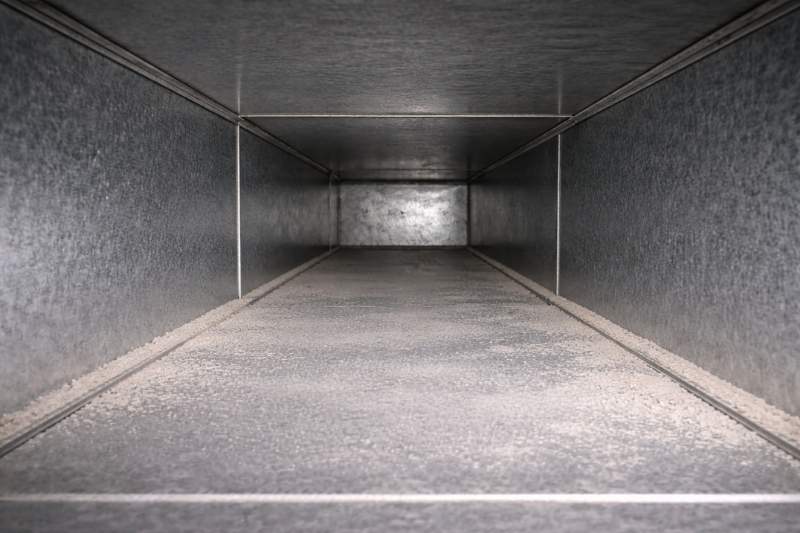
While some dust is expected, thick layers of debris inside ducts point to neglected maintenance or poor filtration. This buildup can restrict airflow, reduce HVAC efficiency, and circulate allergens throughout your space. If you notice significant dust deposits, it’s time to schedule a thorough cleaning and review your air filters and dust reduction practices.
2. Mold Growth or Moisture Stains
One of the most serious findings during a camera inspection is visible mold or water damage. Mold thrives in damp, dark environments and can quickly spread through ductwork, impacting indoor air quality and triggering health problems. Moisture stains or condensation inside ducts often indicate leaks, poor insulation, or humidity issues that need immediate correction.
3. Pest Infestations and Biological Contaminants
Evidence of insects, rodents, or nests inside ducts is a major red flag. Pests can damage duct materials, introduce allergens, and leave behind droppings or carcasses that pose health risks. Camera inspections may reveal chewed insulation, nesting materials, or even live animals. Addressing infestations promptly is crucial to prevent further contamination.
4. Structural Damage or Disconnected Sections
Cracks, holes, or gaps in ductwork can cause conditioned air to leak into unconditioned spaces, leading to energy loss and uneven heating or cooling. Camera footage may also reveal sections that have become disconnected or collapsed, which can severely impact system performance. These issues often require professional repair or replacement.
5. Signs of Corrosion or Rust
Metal ducts are susceptible to corrosion, especially in humid environments or where moisture is present. Rust spots, flaking metal, or discoloration seen during an inspection indicate that the ductwork may be weakening. Left unchecked, corrosion can lead to air leaks or even structural failure.
6. Unusual Objects or Obstructions
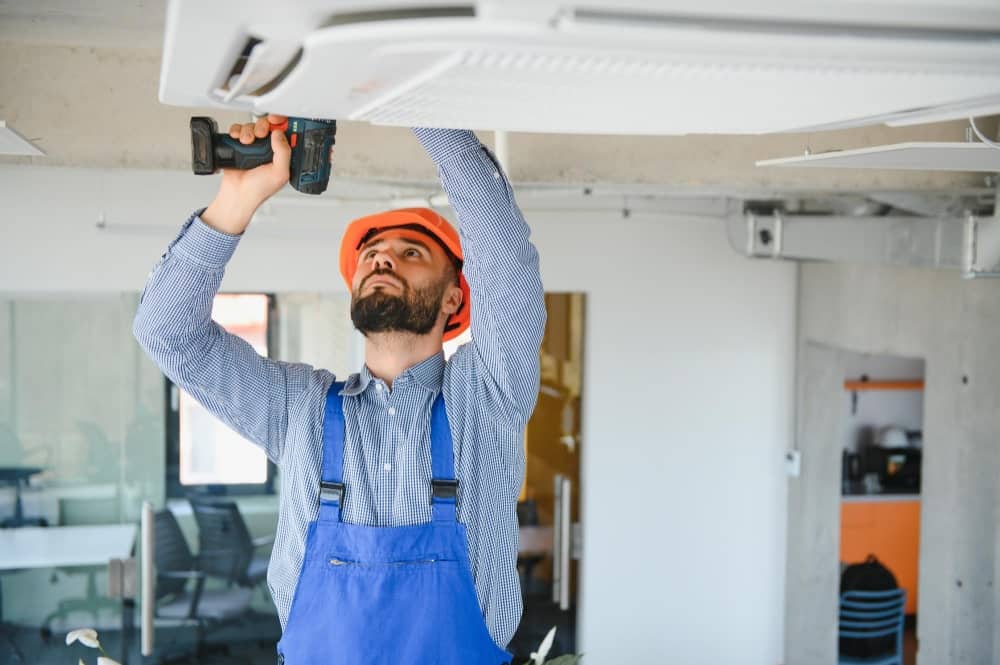
Occasionally, camera inspections reveal foreign objects—tools, construction debris, or even toys—that have found their way into the ductwork. These obstructions can block airflow, damage equipment, or create fire hazards. Removing them promptly helps restore proper system function.
What to Do If Red Flags Are Found
Discovering any of these duct camera inspection red flags should prompt a clear action plan. Here’s what you should consider:
- Schedule professional cleaning: If dust, debris, or biological contaminants are present, arrange for a qualified technician to clean your ducts thoroughly.
- Address moisture and mold: For mold or water stains, identify and fix the source of moisture before cleaning. Mold remediation may be necessary for severe cases.
- Repair or replace damaged sections: Structural issues, corrosion, or disconnected ducts often require professional repair to restore system integrity and efficiency.
- Improve filtration and maintenance: Upgrading air filters and sticking to a regular maintenance schedule can help prevent future problems.
- Consult with experts: If you’re unsure how to interpret inspection results, refer to resources like the HVAC duct camera inspection guide for accurate diagnostics and next steps.
How to Prepare for a Duct Camera Inspection
To get the most out of your inspection, take a few preparatory steps:
- Clear access points: Make sure technicians can reach vents and registers easily.
- List recent issues: Note any unusual odors, noises, or performance problems you’ve noticed.
- Ask for a video or photo report: Request documentation of any findings for your records and future reference.
- Discuss maintenance history: Share information about past cleanings, repairs, or upgrades.
Benefits of Addressing Duct Inspection Warning Signs
Responding promptly to issues found during a camera inspection offers several advantages:
- Healthier indoor air: Removing contaminants reduces allergens, mold spores, and dust in your living or working space.
- Improved efficiency: Clean, well-maintained ducts allow your HVAC system to operate more efficiently, saving energy and lowering utility bills.
- Longer system lifespan: Addressing problems early can extend the life of your HVAC equipment and ductwork.
- Peace of mind: Knowing your system is free from major hazards helps you breathe easier—literally and figuratively.
For a deeper dive into the process and benefits, see duct camera inspection explained.
Expert Resources and Further Reading
If you want to learn more about the technology behind these inspections and how they fit into routine maintenance, the duct inspection camera guide for HVAC system maintenance provides a comprehensive overview from industry experts.
Regularly reviewing your system’s condition and responding to duct camera inspection red flags is a proactive step toward a safer, more comfortable environment. Don’t overlook the value of these inspections as part of your overall HVAC maintenance and health benefits strategy.
Frequently Asked Questions
What are the most common issues found during a duct camera inspection?
The most frequent problems include dust and debris buildup, mold growth, pest infestations, structural damage, and signs of corrosion. These issues can impact air quality, system efficiency, and overall safety.
How often should I schedule a duct camera inspection?
Most experts recommend an inspection every 3–5 years, or sooner if you notice reduced airflow, unusual odors, or increased allergy symptoms. Homes with pets, recent renovations, or a history of moisture problems may benefit from more frequent checks.
Can I fix ductwork problems myself after an inspection?
While minor cleaning or filter changes can be handled by homeowners, issues like mold, structural damage, or pest infestations should be addressed by professionals. Attempting repairs without proper training can worsen the problem or create safety risks.