Preparing for a professional duct camera inspection is essential for homeowners and property managers who want to ensure their HVAC system is thoroughly evaluated. A well-organized approach not only streamlines the process for technicians but also helps identify potential issues before they become costly repairs. This duct camera inspection preparation checklist provides practical steps to get your property ready, ensuring a smooth and effective inspection.
Understanding the process and knowing what to expect can help you maximize the benefits of the inspection. For a deeper dive into the technology and methods used, you may want to review this HVAC duct camera inspection guide, which covers diagnostics and best practices.

Why Preparation Matters for Duct Camera Inspections
Taking time to prepare for a duct video inspection offers several advantages. It allows technicians to access all necessary areas efficiently, reduces the risk of missed issues, and helps you get the most accurate results. A well-prepared environment also minimizes disruption to your daily routine and ensures the inspection is completed on schedule.
The following checklist is designed to help you address the most important preparation steps, from clearing access points to understanding what the inspection will cover.
Essential Steps Before Your Duct Camera Evaluation
Use this checklist to ensure your property is ready for a thorough ductwork examination. Each step is aimed at making the process easier for both you and the inspection team.
-
Clear Access to Duct Openings:
- Move furniture, rugs, and other obstacles away from vents, registers, and return air grills.
- Ensure that crawl spaces, attics, or basements where ductwork is located are accessible.
-
Secure Pets and Children:
- Keep pets and young children in a safe area during the inspection to prevent accidents and distractions.
-
Provide Access to Utility Areas:
- Unlock doors or gates leading to HVAC units, utility rooms, or roof access if applicable.
-
Communicate Known Issues:
- Inform the technician of any specific concerns, such as unusual odors, noises, or recent repairs.
-
Review Safety Precautions:
- Make sure the inspection area is free of hazards like wet floors, loose wires, or sharp objects.
-
Prepare Documentation:
- Have any previous inspection reports or maintenance records available for reference.
-
Plan for Temporary Disruption:
- Be aware that some rooms may be temporarily inaccessible during the inspection process.
What to Expect During the Duct Video Inspection
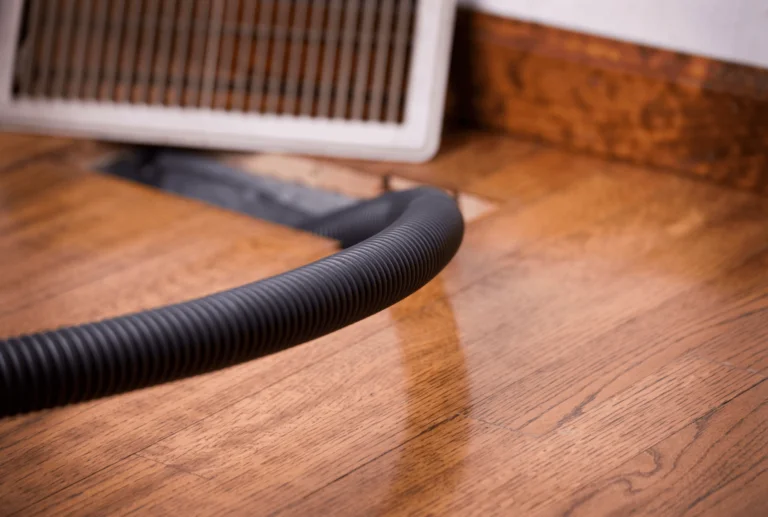
On the day of the inspection, technicians will use specialized cameras to visually assess the inside of your ductwork. This process helps identify blockages, leaks, mold, dust buildup, and other issues that may affect air quality or system efficiency. The inspection typically involves:
- Inserting a flexible camera into accessible duct openings
- Capturing real-time video or images of the duct interior
- Documenting problem areas for review and recommendations
- Discussing findings with you after the inspection is complete
For a detailed explanation of the process and its benefits, see duct camera inspection explained.
Common Issues Identified by Duct Camera Assessments
A thorough inspection can reveal a range of problems that are often hidden from view. Some of the most common findings include:
- Dust and Debris Accumulation: Excess buildup can reduce airflow and impact indoor air quality.
- Mold or Moisture: Damp areas inside ducts can lead to mold growth, which may pose health risks.
- Leaks and Gaps: Damaged or disconnected sections of ductwork can cause energy loss and uneven heating or cooling.
- Pest Intrusion: Rodents or insects may enter ducts, leaving behind debris or causing structural damage.
- Obstructions: Construction materials, insulation, or foreign objects may block airflow.
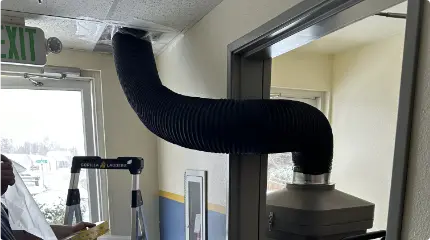
After the Inspection: Next Steps for Owners
Once the inspection is finished, the technician will review the findings with you. You may receive a report with images or video clips highlighting areas of concern. Based on the results, you might be advised to schedule cleaning, repairs, or further diagnostics.
Regular inspections, combined with routine maintenance, can extend the life of your HVAC system and improve indoor air quality. For tips on ongoing care, consider reading about HVAC maintenance and health benefits or best practices for air filters and dust reduction.
Tips for a Smooth Duct Camera Inspection Experience
- Schedule inspections during times when your property is least occupied for easier access.
- Ask the technician about the type of camera and technology they use for transparency.
- Request a copy of the inspection report for your records.
- Discuss any recommended services, such as cleaning or sealing, based on the inspection results.
If you are considering adding duct cleaning to your regular maintenance routine, you can learn more about service options and equipment from this overview of air duct cleaning solutions.
Frequently Asked Questions
How long does a typical duct camera inspection take?
Most residential inspections take between one and two hours, depending on the size of the property and the complexity of the ductwork. Larger homes or commercial buildings may require additional time.
Do I need to clean my ducts before the inspection?
No, you do not need to clean your ducts beforehand. In fact, the purpose of the inspection is to assess the current condition of your ductwork, including any buildup or blockages that may need attention.
What should I do if the inspection reveals major issues?
If significant problems are found, such as mold, leaks, or severe blockages, the technician will recommend appropriate next steps. This may include duct cleaning, sealing, repairs, or further investigation. Addressing these issues promptly can help prevent more serious damage and improve your system’s efficiency.
Is a duct camera inspection necessary if my HVAC system seems to be working fine?
Even if your system appears to be functioning well, periodic inspections can catch hidden issues early, improve energy efficiency, and maintain healthy indoor air quality. It’s a proactive approach to home maintenance.
Where can I learn more about the duct inspection process?
For a comprehensive overview, see what is duct camera inspection for beginners.