Maintaining optimal air quality and system efficiency is a top priority for any industrial facility. Over time, dust, debris, and even structural issues can accumulate within ductwork, leading to reduced airflow, increased energy costs, and potential health risks for workers. Duct camera inspection for industrial facilities has become an essential process, offering a clear, non-invasive way to assess the condition of ventilation systems and ensure they meet safety and performance standards.
This article explores the technology, benefits, and practical steps involved in using specialized cameras to inspect ductwork in large-scale environments. Whether you manage a manufacturing plant, warehouse, or any industrial setting, understanding this process can help you make informed decisions about maintenance, compliance, and long-term facility health.
For those interested in the cleaning process itself, you can learn more about what happens during a professional duct cleaning to see how inspection fits into a comprehensive maintenance plan.
Understanding Duct Camera Technology in Industrial Settings
The use of advanced cameras for inspecting ductwork has revolutionized facility maintenance. These devices are designed to navigate the complex, often extensive duct systems found in industrial buildings. They provide real-time video and high-resolution images, allowing maintenance teams to spot blockages, leaks, corrosion, or microbial growth that would otherwise go unnoticed.
Industrial duct camera inspection systems typically include:
- Flexible, remotely controlled camera probes that can travel long distances inside ducts
- LED lighting to illuminate dark, hard-to-reach areas
- Video recording and image capture capabilities for documentation and reporting
- On-screen measurement tools to assess the size of obstructions or damage
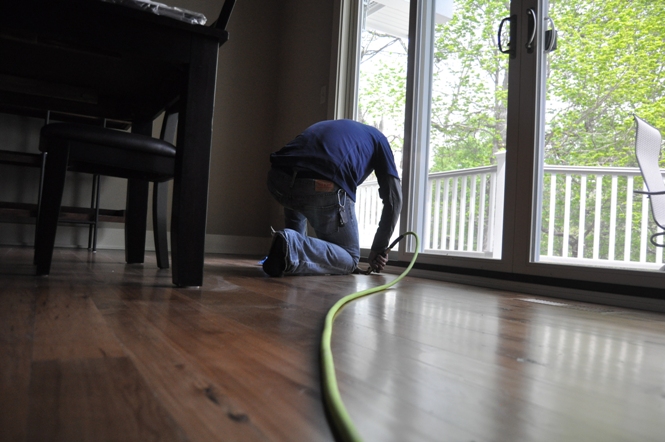
These features make it possible to conduct thorough assessments without dismantling large sections of ductwork or disrupting facility operations.
Why Industrial Facilities Rely on Duct Camera Inspections
There are several compelling reasons why large-scale operations turn to duct camera inspection for industrial facilities as part of their routine maintenance:
- Preventative Maintenance: Early detection of blockages, leaks, or wear helps avoid costly repairs and downtime.
- Compliance: Many industries must meet strict air quality and safety regulations. Camera inspections provide documented proof of system condition.
- Energy Efficiency: Clean, unobstructed ducts reduce strain on HVAC systems, lowering energy consumption and costs.
- Worker Health: Identifying and addressing sources of contamination supports a healthier work environment.
- Targeted Cleaning: Inspections pinpoint exactly where cleaning or repairs are needed, making interventions more effective and less disruptive.
For more on how duct cleanliness impacts workplace air, see our article on the impact of dusty ducts on indoor air quality.
How the Inspection Process Works
The process of inspecting industrial ductwork with cameras is systematic and minimally invasive. Here’s what facility managers can expect:
- Preparation: Technicians review facility blueprints and identify access points. In some cases, small openings may be created for camera entry.
- Camera Deployment: The camera probe is inserted and remotely guided through the duct system. Live video is monitored by the inspection team.
- Assessment: Technicians look for signs of debris buildup, corrosion, leaks, or microbial growth. They may pause to capture images or record video of problem areas.
- Reporting: After the inspection, a detailed report is generated, often including annotated images and recommendations for cleaning or repairs.
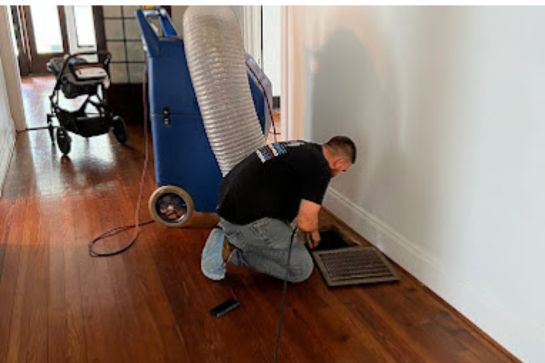
This process minimizes disruption to facility operations and provides actionable insights for maintenance planning.
Key Benefits of Camera-Based Duct Inspections
The advantages of using cameras for inspecting industrial ductwork go beyond just identifying visible problems. Some of the most significant benefits include:
- Accurate Diagnosis: Visual evidence supports more precise decision-making regarding cleaning, repairs, or upgrades.
- Documentation: Inspection footage and images create a historical record, useful for compliance audits and insurance claims.
- Reduced Downtime: Non-invasive inspections mean less interruption to production schedules.
- Cost Savings: Targeted interventions prevent unnecessary work and extend the lifespan of duct systems.
For those considering a hands-on approach, our guide on how to clean air ducts yourself outlines the steps and tools needed for DIY duct cleaning, though industrial systems typically require professional expertise.
When Should Industrial Ducts Be Inspected?
The frequency of inspections depends on several factors, including the type of facility, production processes, and environmental conditions. However, most experts recommend:
- Annual inspections for most industrial sites
- More frequent checks in environments with high dust, fumes, or particulate matter
- Post-construction or after major renovations
- Following reports of poor air quality or HVAC inefficiency
For more detailed recommendations, see our article on how often should air ducts be cleaned.
Choosing a Qualified Inspection Provider
Selecting the right partner for duct camera inspection for industrial facilities is crucial. Look for companies with experience in industrial environments, up-to-date equipment, and a track record of thorough reporting. Ask for sample inspection reports and check references to ensure they meet your facility’s standards.
For a broader perspective on inspection methods, you can review this guide to air duct inspection techniques from industry experts.
Frequently Asked Questions
What issues can be detected during a duct camera inspection in industrial facilities?
Camera inspections can reveal a range of problems, including dust and debris buildup, mold or microbial growth, corrosion, leaks, and physical damage to ductwork. Identifying these issues early helps prevent more serious system failures and supports regulatory compliance.
Is duct camera inspection disruptive to facility operations?
No, the process is designed to be minimally invasive. Technicians can inspect most ductwork without shutting down equipment or interrupting workflow, making it suitable for busy industrial settings.
How do I know if my facility needs a duct camera inspection?
Signs that an inspection may be needed include reduced HVAC efficiency, unusual odors, visible dust near vents, or after renovations. Regular inspections are also recommended as part of a preventative maintenance plan, especially in facilities with high airborne contaminants.