Thorough and accurate duct camera inspection documentation is essential for HVAC professionals, facility managers, and anyone responsible for maintaining indoor air quality. Proper records not only help verify the condition of ductwork but also support compliance, streamline maintenance, and provide transparency for clients and stakeholders. As the demand for cleaner, healthier environments grows, so does the need for reliable inspection processes and clear reporting.
This article explores proven strategies for documenting duct camera inspections, from capturing high-quality visuals to organizing findings in a way that maximizes clarity and value. For a deeper dive into the fundamentals of these inspections, you may also want to review the HVAC duct camera inspection guide.
Why Accurate Duct Inspection Records Matter
Keeping detailed documentation of duct camera inspections serves several important purposes. First, it provides a visual and written record of the ductwork’s condition at a specific point in time. This is invaluable for tracking changes, planning repairs, and demonstrating compliance with industry standards or insurance requirements. Well-maintained records also help technicians communicate findings to building owners and decision-makers, supporting informed choices about cleaning, repairs, or upgrades.
In commercial and industrial settings, inspection documentation can be critical for passing regulatory audits and ensuring the safety of occupants. It also helps prevent disputes by providing objective evidence of duct conditions before and after service.
Key Elements of Effective Duct Camera Inspection Documentation
To ensure consistency and usefulness, every inspection report should include several core components. Here are the most important elements to cover:
- Inspection Details: Record the date, time, location, and the names of technicians involved. Include information about the specific areas or zones inspected.
- Equipment Used: List the make and model of the camera and any other relevant tools. This can help explain the quality of images and the scope of the inspection.
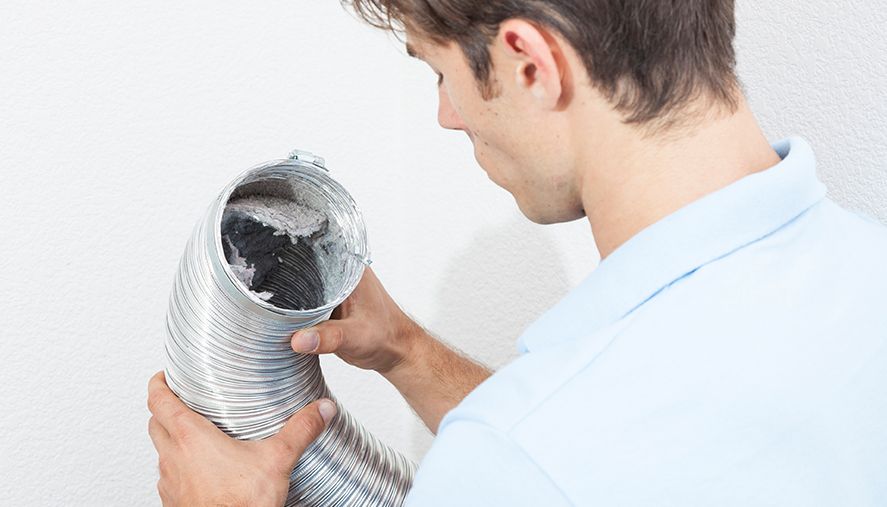
- Visual Evidence: Attach clear, high-resolution images or video stills that highlight key findings. Each image should be labeled with its location and context.
- Observations and Findings: Provide concise, objective notes describing what was observed. Note any blockages, damage, microbial growth, or other issues.
- Recommendations: Suggest next steps, such as cleaning, repairs, or follow-up inspections, based on the documented findings.
- Signatures and Approvals: Where required, include signatures from both the inspector and the client or facility manager to verify the inspection.
Capturing Quality Visuals During Duct Inspections
The value of duct camera inspection documentation relies heavily on the quality of the visual evidence collected. Poor images can lead to misunderstandings or missed problems, while clear visuals make it easy to identify and address issues.
To capture the best possible images:
- Ensure the camera lens is clean and properly focused before starting.
- Use adequate lighting or built-in camera lights to illuminate dark areas.
- Take wide shots for context and close-ups for detail, especially when documenting damage or obstructions.
- Label each image with its location and a brief description immediately after capture to avoid confusion later.
- Store images in a secure, organized manner, ideally within a digital reporting system.
For more on the process and benefits of these inspections, see duct camera inspection explained.
Organizing and Presenting Inspection Reports
Once the inspection is complete, assembling the documentation into a clear, professional report is crucial. A well-structured report should be easy to read, logically organized, and tailored to its audience—whether that’s a building manager, a regulatory agency, or a client.
- Use a Standard Template: Consistent formatting makes reports easier to review and compare over time. Templates should include all required fields and sections.
- Include an Executive Summary: Start with a brief overview of the inspection’s purpose, main findings, and recommended actions.
- Embed Images and Annotations: Place visuals next to relevant text, and use arrows or highlights to draw attention to key details.
- Provide Clear, Actionable Recommendations: Avoid vague language. Specify what needs to be done, by whom, and by when.
- Archive Reports Securely: Store digital copies in a secure, backed-up system. Consider using cloud-based platforms for easy access and sharing.
Compliance, Standards, and Legal Considerations
Proper duct camera inspection documentation is often required to meet industry standards and legal requirements. Regulations may vary by region and industry, but many organizations follow guidelines from bodies such as the National Air Duct Cleaners Association (NADCA) or local health departments.
To stay compliant:
- Familiarize yourself with relevant codes and standards for your area and industry.
- Ensure all documentation is accurate, complete, and stored for the required retention period.
- Be transparent in reporting, avoiding any alteration of images or findings.
- Obtain client or facility manager sign-off where necessary.
For a practical step-by-step approach, review this comprehensive guide to inspecting air ducts from an industry leader.
Best Practices for Digital Recordkeeping
As more organizations transition to digital workflows, managing inspection records electronically offers several advantages. Digital documentation is easier to search, share, and back up, reducing the risk of lost or damaged paper files.
- Use Secure, Cloud-Based Platforms: Choose software designed for inspection management, with features like image embedding, automated backups, and user access controls.
- Standardize File Naming: Adopt a consistent naming convention for reports and images to simplify retrieval.
- Automate Reminders: Set up notifications for follow-up inspections or maintenance based on documented findings.
- Train Staff: Ensure everyone involved in inspections understands how to use digital tools and follow documentation protocols.
For more on how ductwork maintenance impacts building health, see the article on HVAC maintenance and health benefits.
Common Pitfalls and How to Avoid Them
Even experienced professionals can make mistakes when documenting duct inspections. Here are some frequent issues and tips to prevent them:
- Incomplete Records: Always double-check that all required fields and images are included before finalizing the report.
- Poor Image Quality: Invest in quality camera equipment and train staff on its use.
- Unclear Annotations: Use precise, objective language and avoid assumptions or technical jargon that clients may not understand.
- Disorganized Files: Implement a clear folder structure and naming system for all digital records.
- Failure to Update: Keep documentation current by updating records after every inspection, repair, or cleaning.
Frequently Asked Questions
What should be included in a duct camera inspection report?
A comprehensive report should feature inspection details (date, location, personnel), equipment used, clear images with labels, objective findings, recommendations for action, and signatures if required. Consistency and clarity are key to effective documentation.
How can I ensure my inspection images are useful?
Use a high-quality camera, ensure good lighting, and capture both wide and close-up shots. Label each image immediately and store them in an organized, secure system. Embedding images directly into reports with annotations helps convey findings clearly.
Are there industry standards for duct inspection documentation?
Yes, organizations like NADCA provide guidelines for documenting duct inspections. Local regulations may also apply, so it’s important to stay informed about requirements in your area and industry.