As HVAC systems become more complex and building codes more stringent, understanding duct camera inspection compliance standards is essential for property owners, facility managers, and service providers. These standards ensure that air ducts are inspected thoroughly, safely, and in accordance with current regulations. By following established guidelines, professionals can identify hidden issues, maintain indoor air quality, and meet legal requirements for both residential and commercial properties.
For those seeking a deeper dive into the technical aspects and procedures, the HVAC duct camera inspection guide offers a comprehensive overview of best practices and diagnostic strategies.
Why Compliance Standards Matter in Duct Camera Inspections
Adhering to duct camera inspection compliance standards is not just about following rules—it’s about protecting building occupants and ensuring HVAC systems operate efficiently. These standards are designed to:
- Guarantee that inspections are thorough and systematic
- Ensure the use of appropriate, calibrated equipment
- Reduce the risk of missed contamination or structural issues
- Provide documentation that meets insurance and regulatory requirements
- Support long-term system performance and indoor air quality
By following these guidelines, professionals can confidently deliver results that stand up to audits and regulatory scrutiny.
Key Elements of Duct Camera Inspection Guidelines
Several organizations, including the National Air Duct Cleaners Association (NADCA) and the American Society of Heating, Refrigerating and Air-Conditioning Engineers (ASHRAE), have established frameworks for duct inspections. While specific requirements may vary, most standards share core elements:
- Pre-Inspection Preparation: Inspectors must review building plans, HVAC schematics, and previous maintenance records. This helps identify high-risk areas and plan the inspection route.
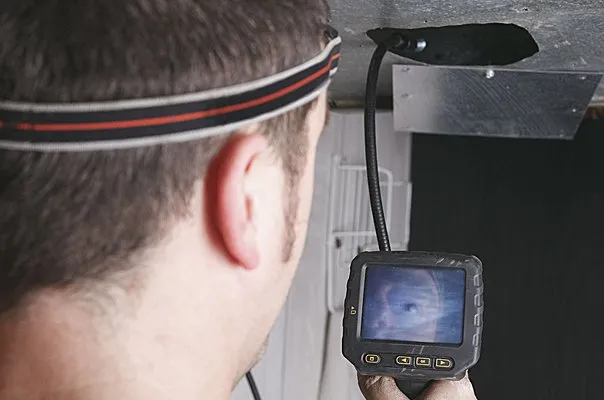
- Use of Certified Equipment: Cameras used for duct inspections should meet minimum resolution and lighting requirements. Equipment must be regularly calibrated to ensure accurate imaging.
- Systematic Coverage: The entire duct network, including supply and return lines, must be inspected. Inspectors should document all findings with timestamped images or video.
- Reporting and Documentation: Reports should include visual evidence, detailed notes on any issues found, and recommendations for remediation or further testing.
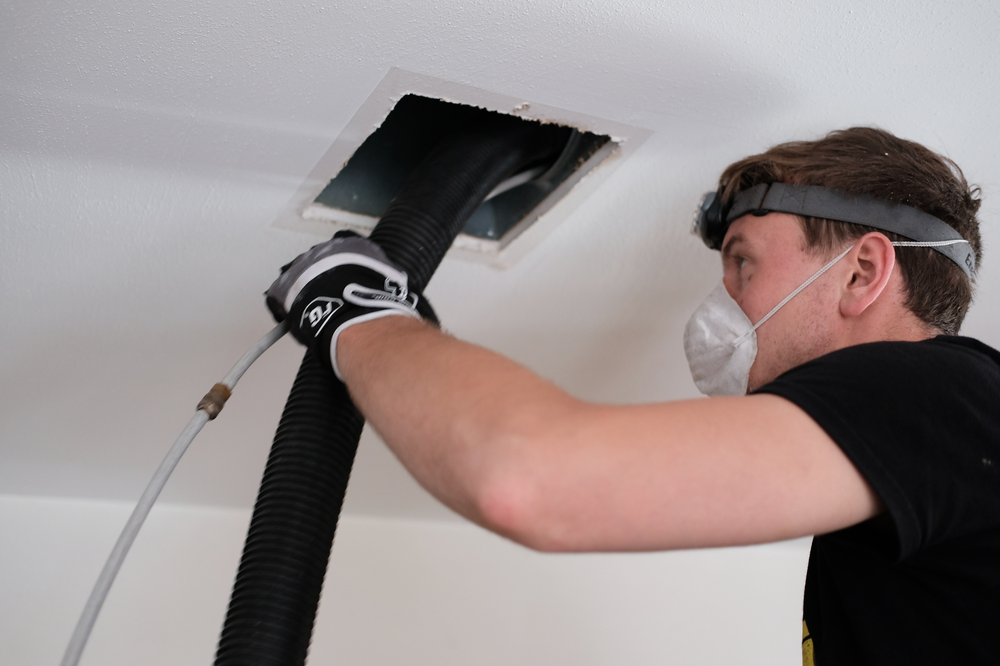
- Health and Safety Compliance: Inspectors must follow safety protocols to prevent contamination and protect themselves during the process.
Industry Standards and Regulatory Bodies
The most widely recognized standards for duct inspections are set by NADCA, specifically the ACR Standard (Assessment, Cleaning, and Restoration of HVAC Systems). This document outlines the minimum requirements for inspection frequency, equipment, and reporting. ASHRAE also provides guidelines, especially for commercial and institutional buildings, focusing on system performance and occupant health.
Local building codes may reference these national standards or add additional requirements. It’s important for service providers to stay updated on both federal and regional regulations to ensure full compliance.
Best Practices for Meeting Inspection Requirements
To consistently meet or exceed duct camera inspection compliance standards, professionals should implement a few key best practices:
- Regular Training: Technicians should receive ongoing education on new technologies, updated standards, and evolving safety protocols.
- Routine Equipment Maintenance: Cameras and related tools should be checked and calibrated before each use to guarantee accurate results.
- Comprehensive Documentation: Detailed records, including annotated images and clear recommendations, help demonstrate compliance and support future maintenance decisions.
- Transparent Communication: Sharing inspection results with clients and stakeholders builds trust and ensures everyone understands the findings and next steps.
For a step-by-step explanation of the inspection process and its benefits, the article duct camera inspection explained provides a practical overview.
Common Pitfalls and How to Avoid Them
Even experienced professionals can encounter challenges when conducting duct inspections. Some of the most common pitfalls include:
- Incomplete Coverage: Missing sections of ductwork can lead to undetected issues. Always follow a systematic approach and double-check coverage.
- Poor Image Quality: Using outdated or uncalibrated cameras can result in unclear images, making it difficult to spot problems.
- Insufficient Documentation: Failing to provide clear, organized reports can cause compliance issues during audits or insurance claims.
- Neglecting Local Codes: Overlooking region-specific regulations may result in failed inspections or legal complications.
Staying informed about the latest standards and regularly reviewing inspection protocols can help avoid these issues.
How Duct Camera Inspections Support Indoor Air Quality and Safety
Properly conducted duct inspections play a vital role in maintaining healthy indoor environments. By identifying and addressing blockages, microbial growth, and structural defects, these inspections help:
- Reduce allergens and airborne contaminants
- Improve HVAC system efficiency and lifespan
- Support compliance with health and safety regulations
- Lower energy costs by ensuring optimal airflow
For more information on how regular inspections contribute to occupant well-being, see the article on HVAC maintenance and health benefits.
Staying Up to Date With Evolving Standards
The field of duct inspection is continuously evolving as new technologies and building codes emerge. Professionals should subscribe to updates from organizations like NADCA and ASHRAE, participate in industry conferences, and network with peers to stay informed. Leveraging resources such as the comprehensive guide to duct inspection cameras can help technicians and facility managers stay ahead of regulatory changes and technological advancements.
FAQ: Duct Camera Inspection Standards
What equipment is required for a compliant duct camera inspection?
Inspections must use cameras that meet minimum resolution and lighting standards, as outlined by organizations like NADCA. Equipment should be regularly maintained and calibrated to ensure accurate imaging and reliable results.
How often should duct camera inspections be performed?
The recommended frequency depends on building type, occupancy, and local regulations. Most commercial properties require annual inspections, while residential systems may be inspected every two to three years or after major renovations.
What happens if an inspection does not meet compliance standards?
Failing to follow established guidelines can result in incomplete findings, legal penalties, or insurance complications. It may also lead to unresolved air quality or safety issues within the building.
Where can I learn more about the duct camera inspection process?
For a beginner-friendly overview, see what is duct camera inspection, which covers the basics, benefits, and what to expect during an inspection.