As HVAC systems age or experience heavy use, hidden issues can develop inside ductwork that affect air quality, efficiency, and even safety. Common duct camera inspection findings provide valuable insights for homeowners and facility managers, helping them understand what’s going on inside their air ducts and why professional inspections matter. With advanced camera technology, technicians can now visually assess the condition of ducts, identify problems early, and recommend targeted solutions—often saving time and money compared to guesswork or unnecessary repairs.
If you’re new to the process or want a deeper dive into the technology, the HVAC duct camera inspection guide offers a thorough overview of how these inspections work and what to expect.
Understanding What Duct Cameras Reveal
Duct cameras are specialized tools that allow HVAC professionals to visually inspect the interior of air ducts without invasive demolition. These small, flexible cameras are inserted into the ductwork and transmit real-time video to a monitor, revealing issues that would otherwise remain hidden. The most frequent duct camera inspection discoveries include blockages, contamination, leaks, and structural damage.
The use of duct cameras has revolutionized the way HVAC inspections are performed. According to this article on the revolutionary role of air duct cameras, these tools help technicians identify problems quickly and accurately, leading to more effective maintenance and repairs.
Frequent Issues Detected During Duct Inspections
Let’s break down the most common findings that technicians encounter during a camera-based duct assessment. Recognizing these issues can help you understand the importance of regular inspections and proactive maintenance.
1. Accumulated Dust and Debris
One of the most prevalent discoveries is the buildup of dust, dirt, and debris inside the ductwork. Over time, particles from daily living, construction, or renovations can settle in the ducts, reducing airflow and contributing to poor indoor air quality. This accumulation can also put extra strain on your HVAC system, leading to higher energy bills and more frequent breakdowns.
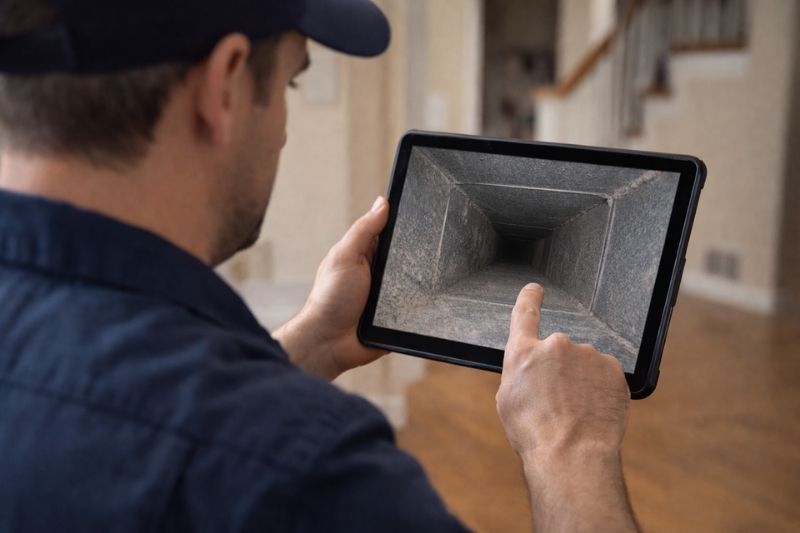
Regular cleaning and the use of high-quality filters, as discussed in air filters and dust reduction best practices, can help minimize this problem.
2. Mold Growth and Moisture Problems
Duct cameras often reveal areas of mold growth, especially in systems with poor ventilation or a history of water intrusion. Mold can pose significant health risks, particularly for those with allergies or respiratory conditions. Moisture inside ducts may result from leaks, condensation, or improper sealing, creating an environment where mold and bacteria thrive.
Addressing moisture issues promptly is critical to preventing further contamination and protecting indoor air quality.
3. Pest Infestations and Biological Contaminants
Another frequent finding is evidence of pests such as rodents, insects, or birds. Duct cameras can spot nests, droppings, or even live animals inside the ductwork. These infestations not only damage the ducts but also introduce allergens and pathogens into the air supply.
Removing pests and sealing entry points is essential for maintaining a healthy HVAC system.
4. Physical Damage and Structural Issues
Technicians may discover crushed, disconnected, or deteriorated duct sections during a camera inspection. Physical damage can result from aging materials, improper installation, or external impacts. Damaged ducts can cause air leaks, reduce system efficiency, and lead to uneven heating or cooling throughout the building.
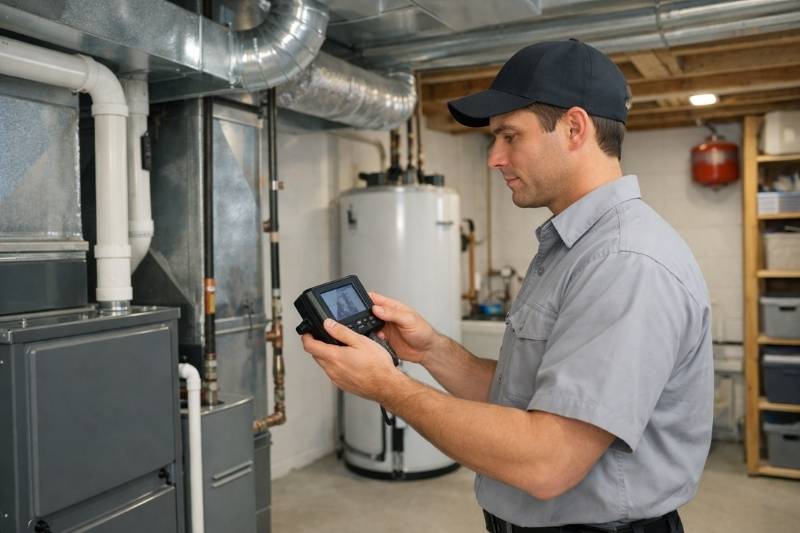
Timely repairs or replacements can restore proper airflow and extend the life of your HVAC system.
5. Air Leaks and Poor Sealing
Leaky ducts are a significant source of energy loss in both residential and commercial buildings. Camera inspections frequently reveal gaps, holes, or poorly sealed joints that allow conditioned air to escape before reaching its intended destination. These leaks can lead to uneven temperatures, increased utility costs, and reduced comfort.
Sealing leaks and insulating ducts are cost-effective ways to improve system performance.
Why These Findings Matter for Homeowners and Businesses
Understanding what’s uncovered during a duct camera inspection helps property owners make informed decisions about maintenance and repairs. Addressing issues like dust buildup, mold, pests, and leaks not only improves air quality and comfort but also protects your investment in the HVAC system.
Proactive inspections can also prevent minor problems from escalating into expensive repairs or health hazards. For a more detailed explanation of the process and its benefits, see duct camera inspection explained.
How to Respond to Typical Duct Inspection Results
Once an inspection is complete, technicians will provide a detailed report—often with photos or video footage—highlighting any concerns. Here’s how to approach the most common outcomes:
- Dust and debris: Schedule a professional cleaning and upgrade to better air filters.
- Mold or moisture: Address leaks, improve ventilation, and consider mold remediation if needed.
- Pest evidence: Remove infestations, clean affected areas, and seal entry points.
- Physical damage: Repair or replace damaged duct sections to restore airflow.
- Leaks: Seal joints and insulate ducts to prevent energy loss.
Regular follow-up inspections and routine maintenance, as outlined in HVAC maintenance and health benefits, can help ensure your system stays in top condition.
Frequently Asked Questions
What are the most common problems found during a duct camera inspection?
The most frequent issues include dust and debris buildup, mold growth, pest infestations, physical damage to ducts, and air leaks. These problems can affect air quality, system efficiency, and overall comfort.
How often should I have my ducts inspected with a camera?
It’s recommended to schedule a camera inspection every 3–5 years, or sooner if you notice signs of poor air quality, unusual odors, or inconsistent heating and cooling. Homes with pets, recent renovations, or allergy concerns may benefit from more frequent checks.
Can duct camera inspections help lower my energy bills?
Yes, identifying and addressing issues like leaks, blockages, or damaged ducts can improve airflow and system efficiency, often resulting in lower energy consumption and reduced utility costs.
Conclusion
Camera-based duct inspections provide a clear window into the hidden parts of your HVAC system, revealing issues that can impact comfort, health, and efficiency. By understanding the typical findings and responding promptly, homeowners and businesses can protect their investment and maintain a healthier indoor environment. For those interested in learning more about the basics, what is duct camera inspection offers a beginner-friendly introduction to the topic.