Properly maintaining your HVAC system is essential for indoor air quality and energy efficiency. One advanced method gaining attention is air duct encapsulation, a process designed to seal and protect ductwork from leaks, contaminants, and deterioration. For property owners and facility managers, learning about this approach can help extend the life of your HVAC system, improve air quality, and potentially lower utility costs.
This article offers a clear overview of what encapsulation involves, its advantages, and practical considerations for both residential and commercial settings. If you’re interested in related topics, you may also want to explore how to clean an HRV filter for additional HVAC maintenance tips.
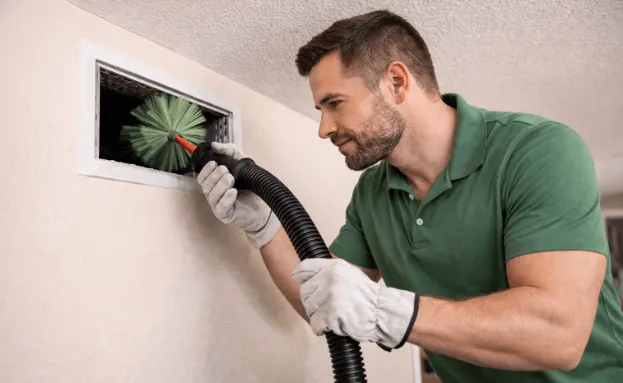
What Is Air Duct Encapsulation?
Encapsulation is a specialized process where a sealant or coating is applied to the interior surfaces of air ducts. The main goal is to create a barrier that prevents air leaks, blocks contaminants, and protects against moisture or microbial growth. This method is particularly useful in older buildings, homes with deteriorating ductwork, or environments where dust and allergens are a concern.
Unlike basic duct sealing, which targets visible gaps or joints, encapsulation covers the entire duct surface. The materials used are typically water-based or polymer coatings that adhere to metal, fiberglass, or flexible ductwork. This comprehensive approach ensures a longer-lasting solution for duct integrity and indoor air quality.
Key Benefits of Duct Encapsulation
Choosing to encapsulate your ductwork can deliver a range of advantages, especially when compared to traditional cleaning or sealing methods. Here are some of the most significant benefits:
- Improved Energy Efficiency: By sealing leaks and cracks, encapsulation reduces energy loss, helping your HVAC system operate more efficiently and potentially lowering utility bills.
- Enhanced Indoor Air Quality: The barrier created by encapsulation helps prevent dust, mold spores, and other contaminants from entering the airflow, resulting in cleaner, healthier air inside your property.
- Extended Duct Lifespan: Encapsulated ducts are protected from corrosion, moisture, and physical wear, which can extend the usable life of your HVAC system’s ductwork.
- Reduced Maintenance Needs: With fewer leaks and less contamination, you’ll likely need less frequent duct cleaning and repairs.
- Prevention of Mold and Mildew: The coating inhibits microbial growth, which is especially important in humid climates or areas prone to moisture problems.
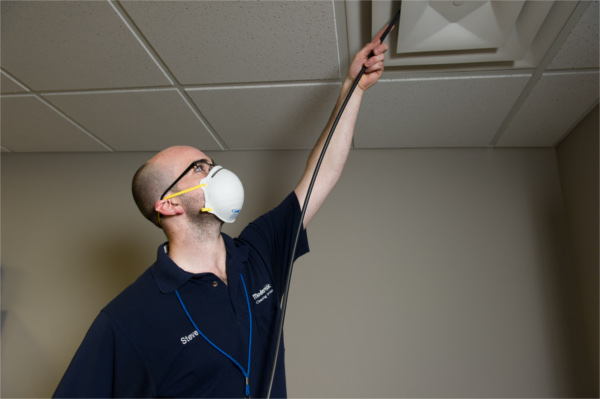
When Should You Consider Encapsulating Your Ducts?
Not every building requires encapsulation, but certain situations make it especially beneficial. Consider this solution if:
- Your ducts are made of fiberglass or have internal insulation that is deteriorating or releasing particles.
- You notice persistent dust, odors, or visible mold inside the ductwork.
- There are recurring moisture issues or water damage in your HVAC system.
- Energy bills are rising despite regular maintenance, suggesting hidden leaks.
- You’ve recently completed a major renovation or construction project that generated significant dust or debris.
In these cases, encapsulation can help restore duct performance and protect indoor air quality for the long term.
How the Encapsulation Process Works
The process typically involves several key steps:
- Inspection: A professional evaluates the duct system for damage, contamination, and suitability for encapsulation.
- Cleaning: Ducts are thoroughly cleaned to remove dust, debris, and microbial growth. This step is crucial for proper adhesion of the encapsulant.
- Application: The encapsulating material is sprayed or brushed onto the interior surfaces of the ducts. Technicians ensure even coverage and pay special attention to seams, joints, and damaged areas.
- Drying and Curing: The coating is allowed to dry and cure, forming a durable, protective barrier.
- Final Inspection: The system is rechecked to confirm full coverage and verify that airflow is not restricted.
It’s important to use trained professionals for this process, as improper application can lead to uneven coverage or blockages.

Comparing Encapsulation to Other Duct Solutions
While encapsulation offers comprehensive protection, it’s helpful to compare it to other common duct maintenance options:
| Method | Main Purpose | Pros | Cons |
|---|---|---|---|
| Encapsulation | Seal and protect entire duct interior | Long-lasting, improves air quality, prevents leaks | Higher upfront cost, requires professional application |
| Sealing | Close visible gaps and joints | Cost-effective, quick fix for leaks | Does not address internal contamination or insulation issues |
| Cleaning | Remove dust and debris | Improves airflow, reduces allergens | Does not prevent future contamination or leaks |
| Replacement | Install new ductwork | Eliminates all old issues | Most expensive, disruptive |
Choosing the right method depends on your ductwork’s age, condition, and your goals for air quality and efficiency.
Professional vs. DIY: What to Know
While some homeowners may consider tackling duct maintenance themselves, encapsulation is a task best left to professionals. The process requires specialized equipment, safety precautions, and knowledge of HVAC systems. Attempting a DIY approach can lead to incomplete coverage, wasted materials, or even damage to your ductwork.
If you’re curious about what can be done without professional help, you can read this detailed guide on cleaning your air ducts yourself, but remember that encapsulation is a more advanced service requiring expert handling.
Maintenance Tips After Encapsulation
Once your ducts are encapsulated, ongoing maintenance is still important. Here are a few tips to keep your system running smoothly:
- Schedule regular HVAC inspections to catch any new issues early.
- Change air filters as recommended by your system’s manufacturer.
- Monitor for unusual odors or airflow problems, which could indicate a need for further attention.
- Consider periodic air quality testing to ensure the encapsulation remains effective.
- Keep supply and return vents clean and unobstructed.
For more in-depth maintenance advice, you might also find value in resources like how to clean a multi zone HVAC system or how to remove charcoal dust from vents.
Frequently Asked Questions
Is air duct encapsulation safe for homes with children or pets?
Yes, when performed by professionals using approved materials, encapsulation is safe for residential environments. The coatings are designed to be non-toxic once cured, and the process helps reduce allergens and contaminants in the air.
How long does encapsulation last?
With proper application and regular HVAC maintenance, encapsulation can last 10 years or more. The exact lifespan depends on the type of coating used, environmental conditions, and how well the system is maintained.
Will encapsulation fix all air quality issues?
While encapsulation addresses many sources of contamination and leakage within ductwork, it should be part of a broader indoor air quality strategy. Regular filter changes, humidity control, and cleaning of other HVAC components are also important for optimal results.
Conclusion
Encapsulating your air ducts is a proactive way to enhance HVAC performance, safeguard indoor air, and protect your investment in your property. By understanding the process, benefits, and maintenance needs, you can make informed decisions about the best solutions for your home or business. For those seeking cleaner, more efficient air systems, encapsulation is a proven method worth considering.