Maintaining clean air ducts is essential for healthy indoor air and efficient HVAC performance. Over time, dust and debris can accumulate in your ductwork, leading to a range of problems that often go unnoticed until they become severe. Recognizing the signs of dusty air ducts early can help you address issues before they impact your comfort, health, or energy bills.
In this article, we’ll highlight the most common indicators that your ductwork needs attention. You’ll also find practical advice on what to do if you notice these symptoms, and resources for tackling duct cleaning on your own or with professional help. For those interested in learning about the tools needed for DIY duct cleaning, be sure to check out our comprehensive guide.
Why Dusty Ducts Are a Problem
When dust builds up inside your ductwork, it doesn’t just stay hidden. It circulates throughout your home every time your heating or cooling system runs. This can worsen allergies, trigger respiratory issues, and reduce the efficiency of your HVAC system. In some cases, excessive dust can even lead to mold growth or pest infestations within the ducts.
Key Indicators Your Air Ducts Need Cleaning
Not sure if your home is affected? Here are seven clear signs of dusty air ducts that suggest it’s time to take action.
1. Visible Dust Blowing from Vents
If you notice puffs of dust coming out of your supply registers when the system starts, that’s a strong indication of dust accumulation inside your ductwork. This is often most visible on sunny days or against dark flooring and furniture.
2. Increased Allergy or Respiratory Symptoms
A sudden spike in sneezing, coughing, or allergy symptoms among household members can be linked to airborne dust and allergens. If symptoms improve when you leave the house, your ducts may be circulating contaminants.
3. Excess Dust on Surfaces Despite Regular Cleaning
Are you finding a layer of dust on furniture and floors just days after cleaning? When ducts are dirty, dust settles quickly throughout your home, making it difficult to keep surfaces clean.
4. Unpleasant or Musty Odors from Vents
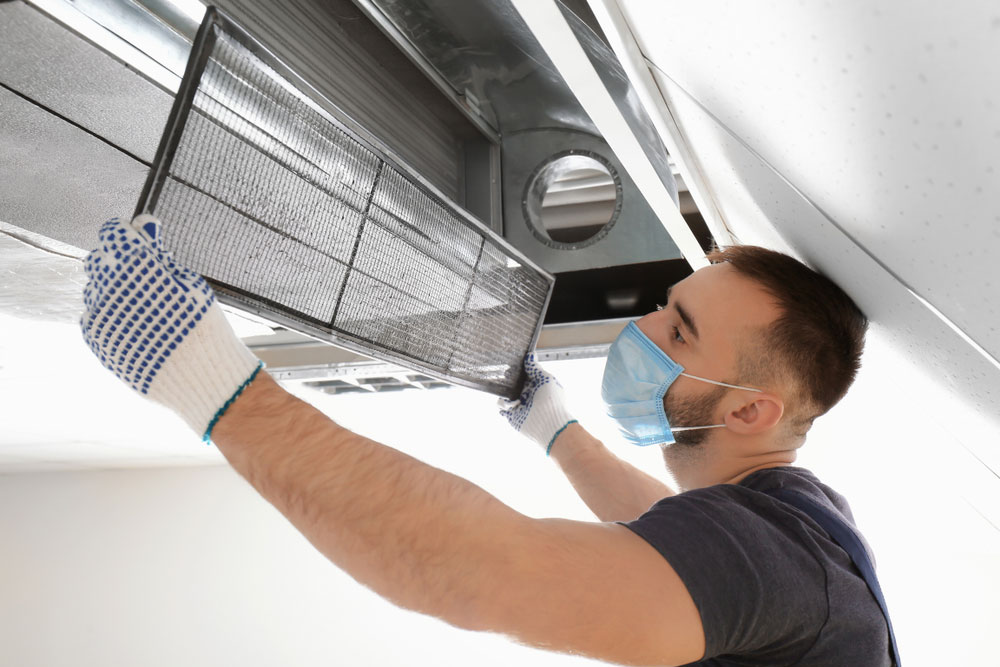
Persistent musty or stale smells coming from your vents can be a sign of dust, mold, or even pest activity in the ductwork. These odors often intensify when the HVAC system is running.
5. HVAC Filters Clog Quickly
If your air filters are filling up with dust and debris faster than usual, it could mean there’s a significant amount of particulate matter circulating through your ducts. This not only reduces air quality but also forces your system to work harder.
6. Uneven Airflow or Reduced HVAC Efficiency
Dust and debris can restrict airflow, causing some rooms to feel stuffy or less comfortable than others. You might also notice your energy bills creeping up as your system struggles to maintain the desired temperature.
7. Signs of Insects or Rodents in Ducts
Finding droppings, nesting material, or dead insects near your vents is a clear warning that pests have made their way into your ductwork. These intruders often bring in dust, dander, and other contaminants.
What to Do If You Notice These Problems
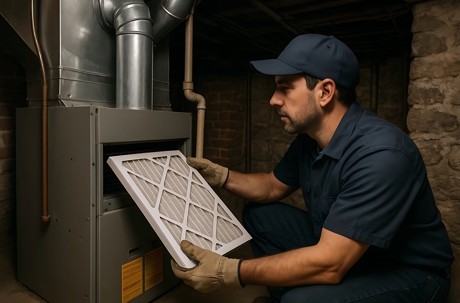
If you recognize one or more of these signs of dusty air ducts in your home, it’s important to act promptly. Start by checking your HVAC filters and replacing them if they’re dirty. Next, inspect your vent covers and registers for visible dust or debris. For a more thorough assessment, consider a duct camera inspection, which can reveal hidden buildup or blockages. Homeowners interested in this technology can learn more about duct camera inspection benefits for homeowners.
While some light cleaning can be done yourself, significant dust or signs of mold and pests should be handled by professionals. If you’re comfortable with DIY projects, you may want to review a step-by-step guide to cleaning air ducts yourself for safe and effective methods.
Tips for Preventing Dust Buildup in Ductwork
- Change HVAC filters regularly: Use high-quality filters and replace them every 1–3 months, or as recommended by your system manufacturer.
- Keep vents and registers clean: Wipe down vent covers and vacuum around them to prevent dust from entering the duct system.
- Schedule routine inspections: Have your ducts checked every few years, or more often if you notice any of the warning signs discussed above. For expert advice, see how often should air ducts be cleaned.
- Seal gaps and leaks: Ensure that duct joints are sealed to prevent dust and debris from entering the system.
- Maintain a clean home: Regular dusting and vacuuming, especially with HEPA-filtered equipment, can reduce the amount of dust entering your ducts.
DIY vs. Professional Duct Cleaning
Some homeowners prefer to tackle duct cleaning on their own. If you choose this route, make sure you have the right equipment and follow safety guidelines. For a detailed overview of the tools needed for DIY duct cleaning, consult our in-depth resource.
Professional duct cleaning services use specialized equipment to remove dust, debris, and contaminants from the entire system. This is especially important if you suspect mold, pest infestations, or if your ducts haven’t been cleaned in several years. For those interested in learning more about safe cleaning methods, this expert guide to cleaning air ducts yourself offers practical tips and precautions.
FAQ
How often should air ducts be cleaned?
Most experts recommend cleaning your ducts every 3–5 years, but this can vary depending on factors like pets, allergies, and local air quality. If you notice any of the warning signs listed above, consider cleaning sooner.
Can I clean my air ducts myself?
Light dusting and vacuuming of vent covers can be done by most homeowners. However, thorough duct cleaning requires specialized tools and expertise. If you’re considering a DIY approach, review a reliable step-by-step guide and take appropriate safety precautions.
What are the health risks of dirty air ducts?
Dusty ducts can circulate allergens, mold spores, and other contaminants, potentially worsening allergies, asthma, and respiratory conditions. Keeping your ductwork clean supports healthier indoor air and overall well-being.