Choosing the right rotary brush system is a crucial decision for businesses that rely on efficient cleaning of ducts, vents, or production equipment. The correct size and configuration can impact cleaning effectiveness, operational costs, and even the lifespan of your equipment. This rotary brush system sizing guide is designed to help facility managers, maintenance teams, and business owners navigate the key factors involved in selecting an appropriately sized system for their specific needs.
Whether you operate in HVAC maintenance, industrial production, or commercial cleaning, understanding the variables that influence sizing will ensure you get the most from your investment. We’ll cover core sizing principles, practical tips, and common mistakes to avoid, so you can make an informed decision that supports your business goals.

For a deeper dive into specialized solutions, you may also want to explore rotary brush solutions for production environments, which discusses advanced options for high-demand settings.
Understanding Rotary Brush System Sizing Fundamentals
Proper sizing of a rotary brush system involves more than just matching brush diameter to duct size. It requires a holistic look at the types of surfaces to be cleaned, the level of debris, and the frequency of use. A system that’s too small may not clean effectively, while one that’s too large can cause damage or be difficult to maneuver.
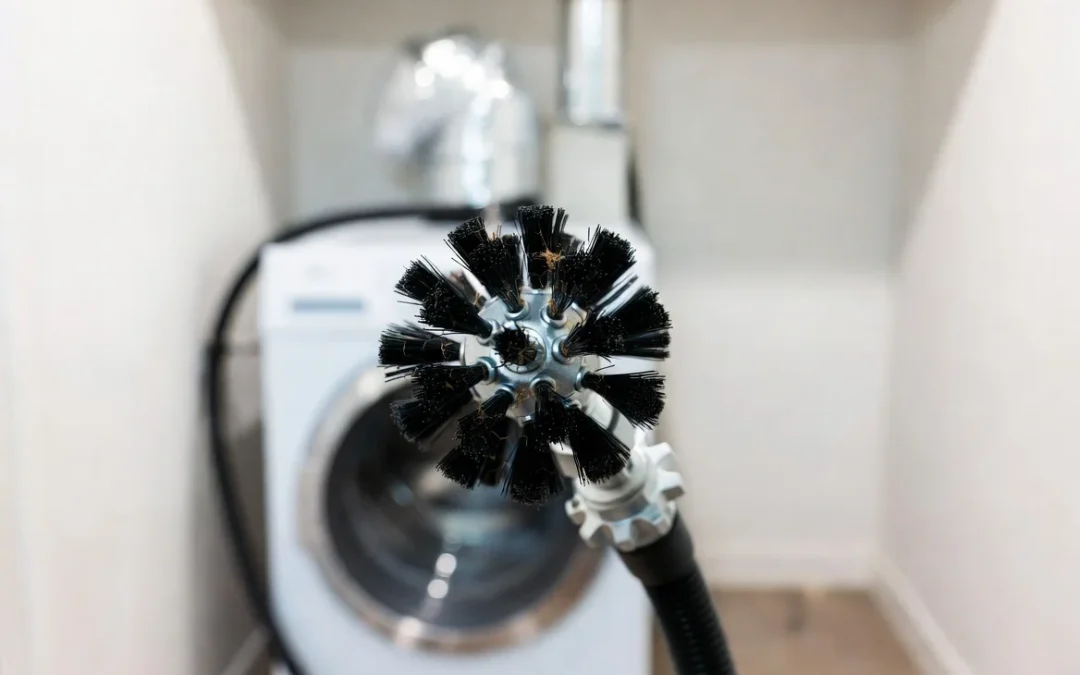
- Brush Diameter: The brush should be large enough to contact all surfaces but not so large that it strains the motor or gets stuck.
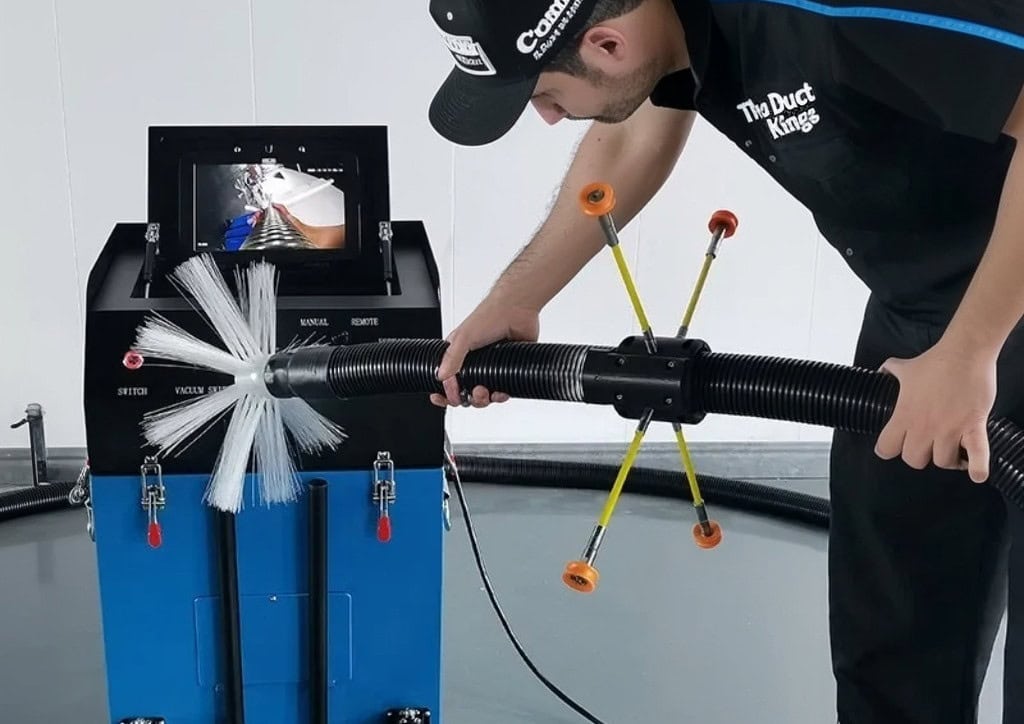
- Rod Length and Flexibility: The rods must reach the full length of the duct or vent, with enough flexibility to navigate bends and turns.
- Motor Power: The system’s motor should provide enough torque for the chosen brush size and debris load.
- Vacuum Compatibility: For dust-heavy environments, ensure your system integrates with a suitable vacuum for debris extraction.
Referencing a rotary brush glossary can also clarify technical terms and help you compare product specifications more effectively.
Key Factors That Influence System Sizing
Several variables determine the correct size for your rotary brush equipment. Here are the most important considerations:
1. Duct or Surface Dimensions
Measure the diameter and length of the ducts, vents, or surfaces you plan to clean. For round ducts, select a brush that is 1–2 inches smaller than the duct diameter to ensure full contact without excessive friction. For rectangular ducts, use a brush that matches the width and height as closely as possible.
2. Type and Level of Contaminants
Heavy buildup of dust, lint, or grease requires a more robust system with stiffer bristles and higher motor torque. For light dust or routine cleaning, a smaller, more flexible system may suffice.
3. Frequency of Cleaning
Businesses with frequent cleaning schedules may benefit from a more durable, higher-capacity system. Occasional use may allow for a lighter, more portable option.
4. Accessibility and Complexity of Ductwork
If your facility has complex ductwork with multiple bends, choose a system with flexible rods and smaller brushes that can navigate tight turns. For straight, accessible runs, larger brushes and rigid rods may be more efficient.
How to Match Rotary Brush Systems to Business Needs
Not all businesses have the same cleaning requirements. Here’s how to tailor your selection for different scenarios:
- HVAC Contractors: Opt for modular systems with interchangeable brushes and rods to handle a variety of duct sizes and shapes.
- Laundry Facilities: Focus on systems designed for lint removal in dryer vents, prioritizing flexibility and brush durability.
- Manufacturing Plants: Choose heavy-duty systems with reinforced rods and high-torque motors to tackle industrial debris and longer duct runs.
- Commercial Kitchens: Select brushes with grease-resistant bristles and systems compatible with wet or dry extraction.
For more on maximizing the value and longevity of your equipment, see these rotary brush lifespan optimization tips, which cover maintenance and replacement strategies.
Common Sizing Mistakes and How to Avoid Them
Even experienced professionals can make errors when choosing a rotary brush system. Here are some pitfalls to watch for:
- Overestimating Brush Size: Using a brush that’s too large can cause excessive wear on motors and rods, and may damage ductwork.
- Ignoring Rod Flexibility: Rigid rods may not navigate bends, leading to incomplete cleaning or stuck equipment.
- Underpowering the Motor: A motor that’s too weak for the chosen brush size will reduce cleaning effectiveness and may overheat.
- Neglecting Debris Extraction: Failing to pair your system with an adequate vacuum can result in poor air quality and additional cleanup.
To stay ahead of industry changes, you might also want to read about rotary brush system future trends and how new technologies are shaping the market.
Advanced Considerations for System Selection
Beyond the basics, some businesses may need to consider:
- Hybrid Cleaning Systems: Combining rotary brushes with other cleaning technologies can improve results for challenging environments. Learn more about rotary brush hybrid cleaning systems and their benefits.
- Motor Selection: Matching the right motor to your brush and rod configuration is essential for safety and efficiency. For a detailed breakdown, see this rotary brush motor selection guide.
- Compliance and Safety: Ensure your system meets industry standards for workplace safety and environmental regulations.
When in doubt, consult with manufacturers or distributors who can help you interpret technical data and recommend the best fit for your application.
Frequently Asked Questions
What is the most important factor in choosing a rotary brush system size?
The most critical factor is matching the brush diameter to the duct or surface dimensions. This ensures effective cleaning without causing damage or excessive wear on the system.
Can one rotary brush system handle multiple duct sizes?
Yes, many systems offer interchangeable brushes and modular rods, allowing you to adapt to different duct sizes and shapes within your facility.
How often should rotary brush systems be maintained?
Regular maintenance is essential for optimal performance. Inspect brushes, rods, and motors after each use, and follow manufacturer recommendations for cleaning and replacement intervals.
Conclusion
Selecting the right rotary brush equipment is a strategic investment for any business that values cleanliness, efficiency, and equipment longevity. By carefully considering duct dimensions, debris type, cleaning frequency, and system flexibility, you can choose a solution that delivers reliable results and supports your operational needs. Use this sizing guide as a reference point, and don’t hesitate to consult additional resources or industry experts for complex requirements.