Rotary brush systems are widely used for cleaning ducts, HVAC units, and various industrial surfaces. While these machines are highly effective, they also present certain hazards if not handled correctly. Understanding and applying essential rotary brush system safety tips is crucial for operators to prevent accidents, protect equipment, and ensure thorough cleaning results.
This guide covers practical recommendations for safe operation, highlights common risks, and provides actionable advice for anyone working with rotary brush equipment. Whether you’re a seasoned technician or new to these systems, following best practices will help you maintain a safe and efficient work environment.
For those interested in the latest advancements and expert perspectives, you may want to review rotary brush system expert tips for deeper insights into technology and maintenance.
Understanding Rotary Brush System Hazards
Before diving into specific safety measures, it’s important to recognize the risks associated with rotary brush equipment. The rotating brushes, high-speed motors, and flexible shafts can all pose hazards if not managed properly. Common dangers include:
- Entanglement: Loose clothing, jewelry, or hair can get caught in moving parts.
- Flying Debris: Dislodged dust, dirt, or small objects may become airborne during cleaning.
- Electrical Hazards: Faulty wiring or improper grounding can lead to shocks.
- Mechanical Failures: Worn or damaged components may break unexpectedly.
- Noise and Vibration: Prolonged exposure can affect hearing and cause fatigue.
By understanding these risks, operators can take proactive steps to minimize them and ensure a safer work environment.
Essential Rotary Brush System Safety Tips
Implementing a set of core safety practices is the foundation of safe rotary brush operation. Here are the most important guidelines every operator should follow:
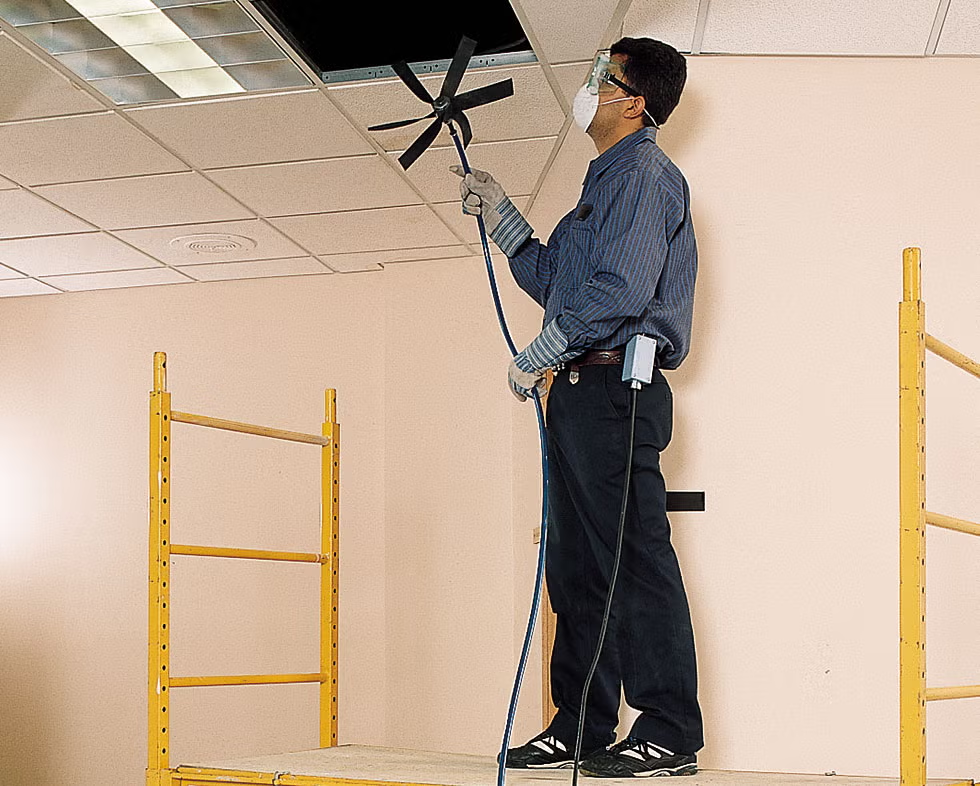
- Wear Appropriate Personal Protective Equipment (PPE): Always use safety goggles, gloves, hearing protection, and dust masks or respirators as required by the job. PPE shields you from debris, dust, and noise.
- Inspect Equipment Before Use: Check brushes, shafts, and power cords for signs of wear, fraying, or damage. Replace any faulty parts before starting work.
- Secure Loose Items: Remove jewelry, tie back long hair, and avoid loose clothing that could become entangled in the rotating brush.
- Follow Manufacturer’s Instructions: Read and adhere to the user manual for your specific model. Each system may have unique requirements for safe operation and maintenance.
- Keep Work Area Clear: Ensure the area around the cleaning site is free from unnecessary objects and tripping hazards. This reduces the risk of accidents and allows for easier movement.
- Use Proper Technique: Hold the brush system firmly with both hands, maintain a stable stance, and avoid overreaching. Let the machine do the work—do not force the brush or apply excessive pressure.
- Disconnect Power Before Maintenance: Always unplug the system before changing brushes, clearing jams, or performing repairs to prevent accidental activation.
- Monitor for Overheating: If the motor or shaft becomes unusually hot, stop the machine and allow it to cool. Overheating can signal mechanical problems or blockages.
Advanced Safety Practices for Experienced Operators
For those who regularly use rotary brush equipment, adopting advanced safety habits can further reduce risks and improve efficiency. Consider the following:
- Regular Training: Attend refresher courses and stay updated on safety protocols and new equipment features.
- Maintenance Logs: Keep detailed records of inspections, repairs, and part replacements to track equipment condition over time.
- Emergency Procedures: Know how to quickly shut down the system and respond to accidents or malfunctions.
- Team Communication: If working with others, establish clear signals and protocols to coordinate movements and avoid misunderstandings.
Experienced operators can also benefit from reviewing rotary brush cleaning technology trends to stay informed about innovations that may impact safety and performance.
Comparing Rotary Brush Systems and Negative Air Methods
When considering duct cleaning, it’s useful to understand how rotary brush systems compare to other methods, such as negative air pressure. Each approach has its own safety considerations and operational requirements. For a comprehensive comparison, see this detailed overview of negative air pressure versus rotary brush cleaning. Understanding these differences can help operators choose the safest and most effective method for their specific needs.

Routine Maintenance and Inspection Guidelines
Consistent maintenance is vital for both safety and performance. Operators should:
- Inspect brushes for wear and replace them as needed to avoid ineffective cleaning and potential system strain.
- Check flexible shafts and couplings for cracks or kinks that could lead to breakage.
- Test electrical cords and connections for fraying, exposed wires, or loose plugs.
- Lubricate moving parts according to manufacturer recommendations to reduce friction and overheating.
- Clean dust and debris from vents and motor housings to prevent blockages and fire hazards.
Adhering to these steps helps prevent unexpected breakdowns and supports a safer work environment. For more on maintaining high standards, see the rotary brush cleaning quality standards guide.
Frequently Asked Questions
What personal protective equipment should be worn when using a rotary brush system?
Operators should always wear safety goggles to protect eyes from debris, gloves for hand safety, hearing protection if noise levels are high, and a dust mask or respirator when working in dusty environments. Proper PPE is essential for minimizing exposure to hazards.
How often should rotary brush systems be inspected for safety?
It’s recommended to inspect the equipment before every use. Regular checks for wear, damage, and proper function help prevent accidents and ensure the system operates efficiently. Keeping a maintenance log can also be beneficial for tracking inspections and repairs.
What should be done if the rotary brush gets stuck or jammed during operation?
If the brush becomes jammed, immediately turn off and unplug the system before attempting to clear the obstruction. Never try to remove blockages while the equipment is powered, as this can lead to injury. After clearing the jam, inspect the brush and shaft for damage before resuming work.
Conclusion
Safe operation of rotary brush systems relies on a combination of awareness, proper technique, and regular maintenance. By following the rotary brush system safety tips outlined above, operators can reduce risks, extend equipment life, and achieve better cleaning results. Staying informed about new technologies and best practices, such as those discussed in rotary brush system future trends, further enhances safety and productivity in any cleaning operation.