Integrating a rotary brush system into your cleaning or production workflow can significantly improve efficiency, consistency, and overall results. Whether you are upgrading an HVAC duct cleaning operation, automating industrial cleaning, or enhancing manufacturing processes, a well-executed integration ensures optimal performance and longevity of your equipment. This article provides a comprehensive overview of the steps, considerations, and best practices for a smooth transition to a rotary brush-based solution.
Before diving into the technical details, it’s important to understand the latest developments in the field. For those interested in the evolution of these technologies, exploring rotary brush cleaning technology trends can offer valuable context and help you make informed decisions about your integration strategy.
Understanding Rotary Brush System Integration
At its core, rotary brush system integration involves connecting a motor-driven brush assembly to your existing cleaning or production infrastructure. This process may include mechanical, electrical, and software components, depending on the complexity of your setup. The goal is to ensure that the rotary brush operates in harmony with other equipment, delivering consistent cleaning or processing results without causing downtime or maintenance headaches.
Key benefits of a properly integrated rotary brush system include:
- Enhanced cleaning efficiency for ducts, surfaces, and machinery
- Reduced manual labor and improved safety
- Consistent, repeatable results across different applications
- Lower long-term maintenance costs
Planning for a Successful Implementation
Preparation is crucial for a seamless transition. Begin by assessing your current workflow and identifying areas where a rotary brush can add value. Consider the following steps:
- Evaluate compatibility: Check if your current equipment supports rotary brush attachments or if adapters are needed.
- Define objectives: Are you aiming for deeper cleaning, faster turnaround, or reduced labor costs?
- Consult with experts: Manufacturers and industry professionals can provide guidance on system selection and integration methods. For additional insights, see rotary brush system expert tips.
- Budget for upgrades: Factor in costs for new components, installation, and potential downtime during the transition.
Key Components of a Rotary Brush Integration
Successful integration requires attention to several technical elements. Here’s what to focus on:
- Brush Assembly: Choose the right brush type (nylon, steel, or hybrid) for your application. The size and bristle stiffness should match the surfaces or materials you intend to clean.
- Drive Mechanism: Ensure the motor or rotary drive provides adequate torque and speed. Variable speed controls can offer greater flexibility for different cleaning tasks.
- Mounting and Adaptation: Use secure mounts and adapters to connect the brush to your existing equipment. This minimizes vibration and wear.
- Control Systems: For automated setups, integrate the brush system with your control panel or software. This allows for programmable cleaning cycles and remote monitoring.
- Safety Features: Install guards, emergency stops, and interlocks to protect operators and prevent accidents.
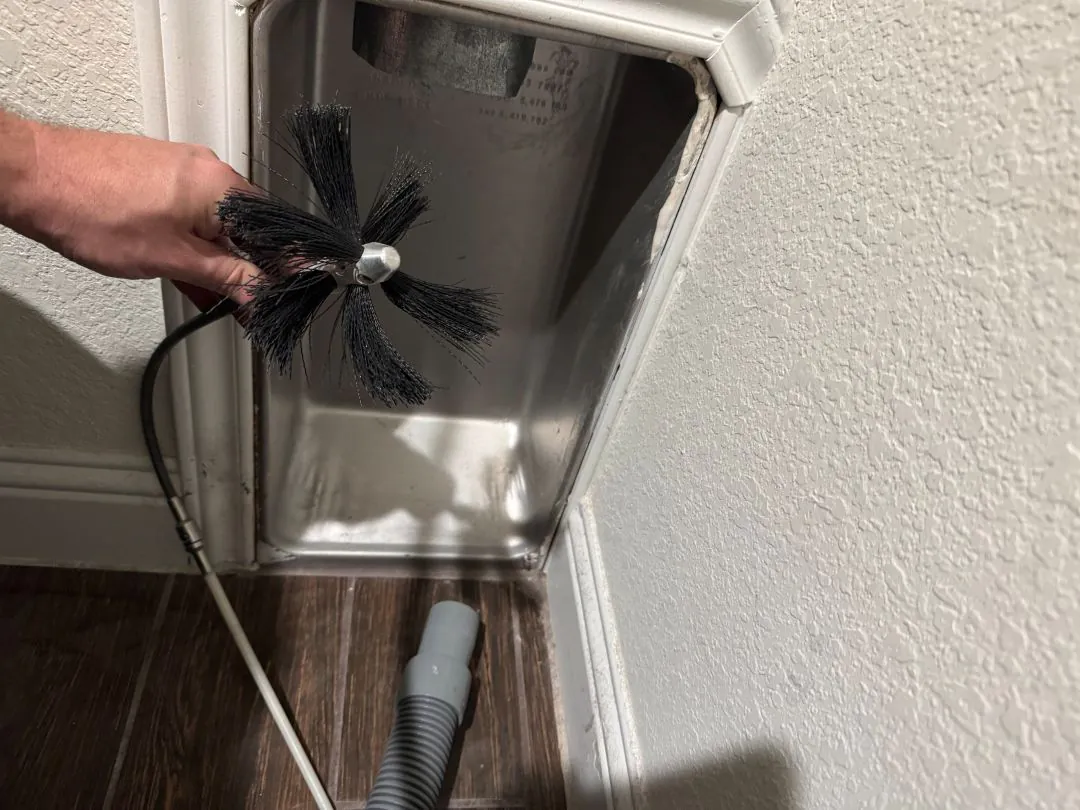
Installation Steps for Rotary Brush Systems
Follow these steps for a smooth installation and setup:
- Unpack and Inspect: Verify all components are present and undamaged. Check the brush, drive shaft, adapters, and control units.
- Mount the Brush: Attach the brush securely to the drive shaft. Use manufacturer-recommended adapters for a snug fit.
- Connect Power and Controls: Wire the motor and control panel according to the provided schematics. For automated systems, integrate with your existing PLC or control software.
- Test the System: Run the brush at low speed to check for vibration, noise, or misalignment. Gradually increase speed and observe performance.
- Adjust Settings: Fine-tune speed, torque, and cleaning cycles for optimal results. Document your settings for future reference.
For more detailed guidance on maintaining and cleaning your brush system, refer to this comprehensive guide to maintaining wheeled brushcutters.
Best Practices for Ongoing Performance
To ensure your rotary brush system delivers consistent results, adopt these best practices:
- Regular Maintenance: Clean brushes after each use and inspect for wear. Replace worn bristles promptly to maintain cleaning efficiency.
- Monitor System Health: Check for unusual noise, vibration, or overheating during operation. Address issues immediately to prevent downtime.
- Train Operators: Provide thorough training on safe operation and routine maintenance. Well-trained staff reduce the risk of accidents and equipment damage.
- Document Procedures: Keep records of maintenance, repairs, and performance metrics. This helps identify trends and schedule proactive service.
For organizations working in demanding environments, reviewing rotary brush solutions for production environments can offer additional strategies for maximizing uptime and efficiency.
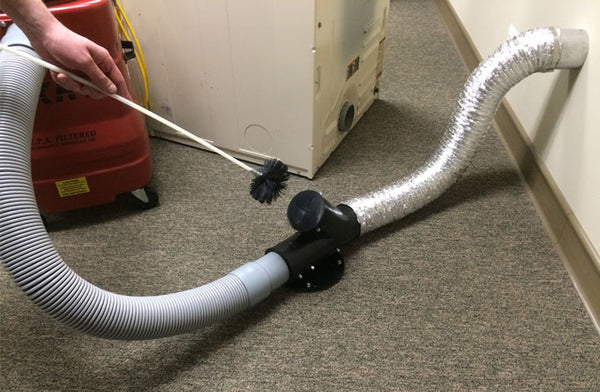
Quality Assurance and Troubleshooting
Maintaining high standards is essential for any cleaning or production process. Implement a quality assurance program that includes:
- Routine Inspections: Schedule regular checks of all system components, including brushes, motors, and controls.
- Performance Testing: Periodically test cleaning effectiveness and adjust settings as needed.
- Issue Resolution: Develop a troubleshooting checklist for common issues such as brush slippage, uneven cleaning, or electrical faults.
For organizations seeking to meet industry benchmarks, the rotary brush cleaning quality standards guide provides detailed recommendations for maintaining compliance and ensuring top-tier results.
Future-Proofing Your Rotary Brush Integration
As technology evolves, so do the capabilities of rotary brush systems. Staying informed about rotary brush system future trends can help you anticipate new features, automation options, and integration opportunities. Consider modular designs and upgrade paths when selecting your system, so you can adapt to changing requirements without major overhauls.
Frequently Asked Questions
What types of surfaces can a rotary brush system clean?
Rotary brush systems are versatile and can be used on a wide range of surfaces, including HVAC ducts, industrial floors, conveyor belts, and even delicate machinery. The key is to select the appropriate brush material and stiffness for the specific surface to avoid damage and achieve optimal cleaning.
How often should I perform maintenance on my rotary brush system?
Routine maintenance should be performed after each use, including cleaning the brush and inspecting for wear. More comprehensive checks—such as motor inspection and control calibration—should be scheduled monthly or according to the manufacturer’s recommendations.
Can I integrate a rotary brush system with my existing automation controls?
Yes, many modern rotary brush systems are designed for easy integration with existing PLCs, control panels, or building management systems. Consult your equipment provider for compatible interfaces and recommended integration practices.
Conclusion
Integrating a rotary brush system into your workflow can deliver significant improvements in efficiency, consistency, and safety. By following best practices for planning, installation, and maintenance, you can ensure a smooth transition and long-term success. Stay updated on industry trends and quality standards to maximize the value of your investment and keep your operations running at peak performance.