A rotary brush system for burr removal is a specialized tool used in manufacturing, HVAC maintenance, and finishing operations to eliminate unwanted material, smooth surfaces, and improve product quality. These systems use rotating brushes made from various materials to efficiently remove burrs, polish surfaces, and prepare components for further processing or assembly. Their versatility and effectiveness make them a preferred choice in industries where precision and cleanliness are essential.
This guide explores how these systems work, their advantages, and practical considerations for selecting and using them. Whether you are involved in metal fabrication, duct cleaning, or production line finishing, understanding the benefits and applications of rotary brush technology can help you achieve better results and maintain high standards.
For those interested in the latest developments, rotary brush cleaning technology trends offer insights into innovations and emerging practices that are shaping the industry.
How Rotary Brush Systems Work
At the core of these systems is a motor-driven shaft that spins a brush at controlled speeds. The brush, which may be made of nylon, steel, or abrasive filaments, comes into contact with the workpiece or duct surface. As it rotates, the bristles flex and adapt to the contours, effectively removing burrs, dust, or surface imperfections without damaging the underlying material.
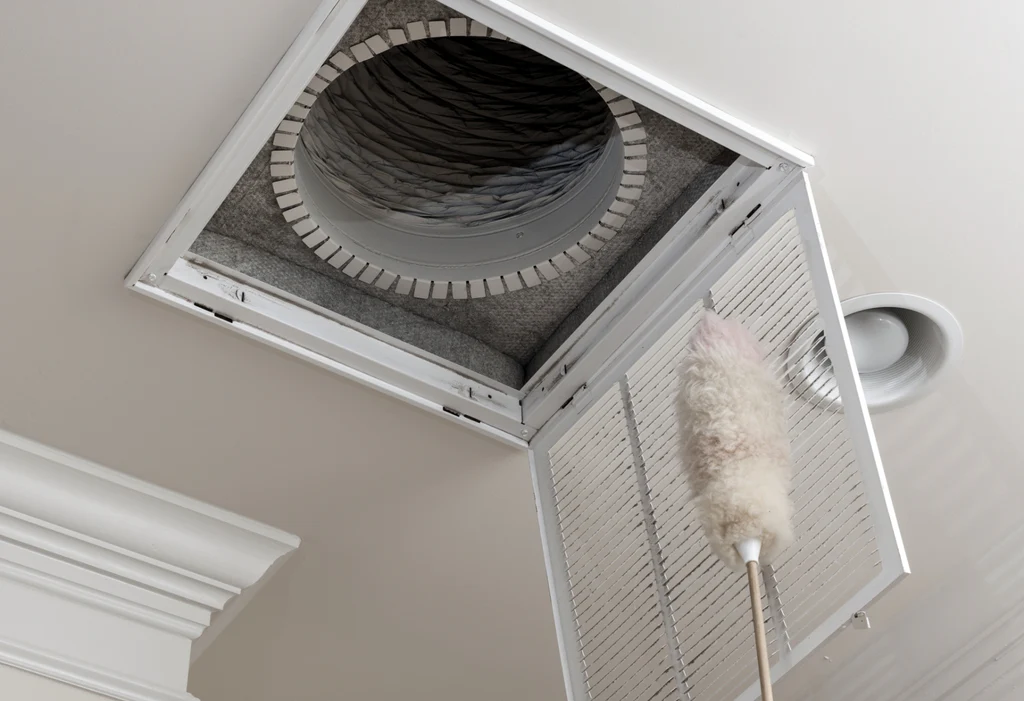
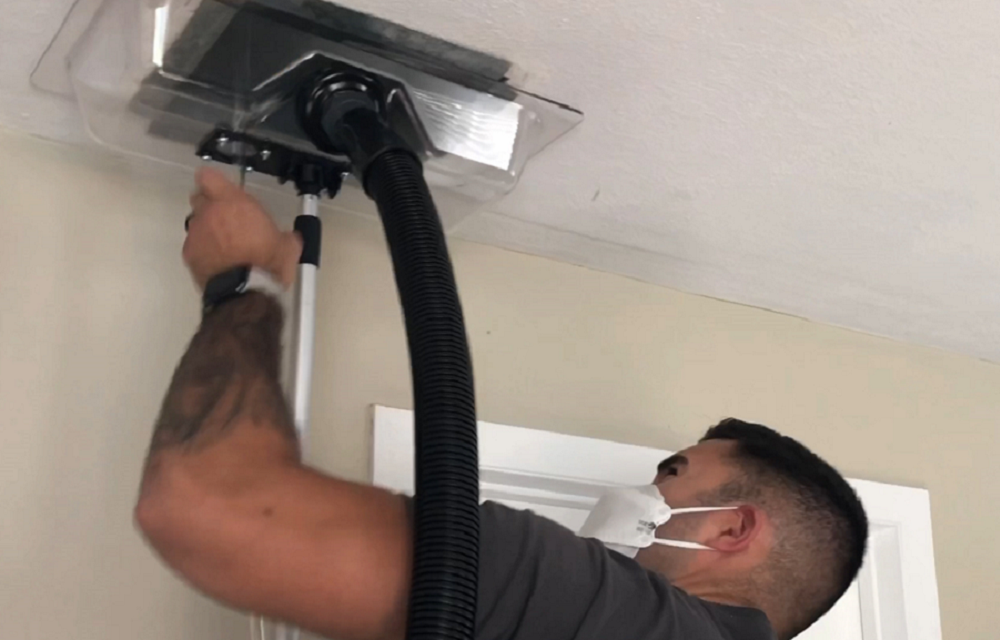
The design allows for consistent, repeatable results across a wide range of materials, including metals, plastics, and composites. In HVAC applications, rotary brushes are used to clean ductwork, removing debris and buildup that can affect air quality and system efficiency.
Key Benefits of Using Rotary Brush Systems
Implementing a rotary brush system for burr removal brings several advantages:
- Efficiency: Automated brushing reduces manual labor and speeds up the finishing process.
- Consistency: Uniform brush action ensures even results, minimizing the risk of over-processing or missed spots.
- Versatility: Suitable for a variety of materials and geometries, including flat, curved, or irregular surfaces.
- Surface Quality: Improves the finish by smoothing edges, removing sharp burrs, and preparing surfaces for coating or assembly.
- Safety: Reduces the risk of injury from sharp burrs or manual deburring tools.
For production environments, these systems can be integrated into automated lines, further enhancing throughput and quality control.
Applications in Manufacturing and Maintenance
Rotary brush technology is widely used in several industries:
- Metalworking: Deburring, edge rounding, and surface finishing of machined or stamped parts.
- HVAC: Cleaning ductwork to remove dust, lint, and contaminants, improving air flow and system efficiency.
- Automotive: Preparing parts for painting or assembly, ensuring smooth, burr-free surfaces.
- Electronics: Cleaning circuit boards and components without damaging sensitive parts.
- Woodworking: Smoothing edges and cleaning grooves or profiles.
If you are seeking expert advice on maximizing performance, consider the rotary brush system expert tips resource for practical recommendations and troubleshooting guidance.
Choosing the Right Rotary Brush System for Burr Removal
Selecting the ideal system depends on several factors:
- Material Type: The hardness and composition of the workpiece determine the best brush filament and abrasive type.
- Brush Size and Shape: Choose a brush that matches the geometry of your parts or ducts for optimal coverage.
- Speed and Power: Adjustable speed controls allow for fine-tuning the aggressiveness of the brushing action.
- Automation Compatibility: For high-volume operations, integration with conveyors or robotic arms can boost productivity.
- Maintenance Requirements: Look for systems with easy brush replacement and minimal downtime.
Consulting with suppliers or reviewing rotating brush manufacturer resources can help you compare options and select the most suitable system for your needs.
Best Practices for Effective Burr Removal and Finishing
To maximize the benefits of your rotary brush setup, consider these tips:
- Regularly inspect brushes for wear and replace them as needed to maintain consistent results.
- Adjust brush pressure and speed according to the material and desired finish.
- Use dust extraction or containment systems to manage debris, especially in duct cleaning or metalworking applications.
- Train operators on safe handling and proper setup to prevent accidents and ensure quality.
- Document process parameters for repeatability and quality assurance.
For those working in production environments, rotary brush solutions for production environments can provide further insights into scaling and optimizing your operations.
Quality Standards and Future Developments
Maintaining high standards is crucial for both safety and performance. Adhering to recognized rotary brush cleaning quality standards ensures that your processes meet industry requirements and customer expectations.
Looking ahead, advancements in brush materials, automation, and process monitoring are expected to further improve efficiency and results. For a glimpse into what’s next, explore rotary brush system future trends to stay informed about upcoming innovations.
Frequently Asked Questions
What types of burrs can rotary brush systems remove?
These systems are effective at removing a variety of burrs, including those formed during cutting, drilling, milling, stamping, or casting. They can handle both metallic and non-metallic materials, making them suitable for diverse manufacturing environments.
How often should brushes be replaced?
Brush replacement frequency depends on usage, material hardness, and the type of brush used. Regular inspection is recommended. Replace brushes when bristles show significant wear, reduced cleaning effectiveness, or if the finish quality declines.
Are rotary brush systems safe for delicate surfaces?
Yes, when properly selected and adjusted, these systems can be used on delicate surfaces. Choosing the right brush material and controlling the speed and pressure are key to preventing damage while achieving effective cleaning or finishing.