Rotary brush surface finishing is a widely adopted method for cleaning, polishing, deburring, and preparing a variety of surfaces in both industrial and residential settings. This approach uses rotating brushes—often powered by handheld drills or specialized machines—to deliver consistent, effective results on materials ranging from metal and wood to ducts and vents. The right technique and choice of tool can dramatically improve both the quality and efficiency of surface treatment processes.
In this article, you’ll find a comprehensive overview of rotary brush finishing, including the types of brushes available, best practices, and how to select the right equipment for your needs. Whether you’re a professional looking to optimize your workflow or a homeowner aiming to maintain appliances, understanding these methods can help you achieve cleaner, smoother, and safer surfaces.
For those interested in the latest advancements, rotary brush cleaning technology trends offer valuable insights into modern tools and techniques shaping the industry.
Understanding Rotary Brush Surface Finishing
Rotary brush finishing involves the use of a motorized or hand-driven brush that spins at high speed to treat a surface. The bristles—made from materials such as nylon, steel, or natural fibers—contact the workpiece, removing debris, smoothing rough edges, or applying a polish. This method is valued for its ability to reach into grooves, corners, and complex geometries that are difficult to address with flat abrasives or manual scrubbing.
Applications range from industrial manufacturing, where it is used for deburring and edge rounding, to home maintenance tasks like dryer vent cleaning and appliance upkeep. The adaptability of these brushes makes them suitable for a wide array of materials, including metals, plastics, wood, and even delicate surfaces.
Types of Rotary Brushes and Their Uses
Selecting the right brush is crucial for effective rotary brush surface finishing. The main types include:
- Wire Brushes: Made from steel, brass, or stainless steel, these are ideal for removing rust, paint, and heavy debris from metal surfaces.
- Abrasive Nylon Brushes: Embedded with abrasive grains, these brushes are excellent for deburring, edge blending, and surface preparation on metals and plastics.
- Natural Fiber Brushes: Used for gentle cleaning, polishing, or applying waxes and finishes on wood and delicate surfaces.
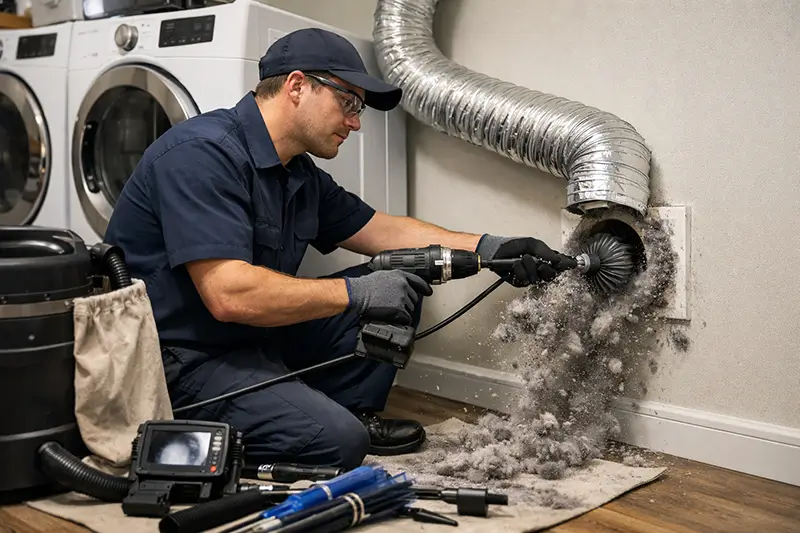
- Specialty Brushes: Designed for specific tasks such as duct cleaning, these often feature flexible shafts and bristles tailored for navigating tight spaces.
Each brush type comes in various shapes—cup, wheel, end, and cylinder—allowing users to match the tool to the job at hand.
Key Techniques for Effective Surface Finishing
Achieving optimal results with rotary brushes depends on several factors:
- Speed and Pressure: Use moderate speed and gentle pressure to avoid damaging surfaces or prematurely wearing out the brush. Excessive force can lead to uneven finishes and tool degradation.
- Consistent Movement: Move the brush steadily across the surface, overlapping passes to ensure uniform cleaning or finishing. Avoid lingering in one spot to prevent gouging or heat buildup.
- Brush Selection: Match the bristle material and brush shape to the task. For example, use softer bristles for delicate surfaces and stiffer, abrasive brushes for heavy-duty cleaning.
- Regular Maintenance: Clean brushes after use and inspect for wear. Replace worn brushes to maintain effectiveness and safety.
For more in-depth advice, consider reviewing rotary brush system expert tips to further refine your technique and tool selection.
Choosing the Right Tools for the Job
The market offers a wide range of rotary brush systems, from simple drill attachments to advanced machines designed for industrial use. When selecting a tool, consider:
- Compatibility: Ensure the brush fits your power tool or machine. Many brushes are designed for standard drills, while others require specialized equipment.
- Flexibility: For tasks like duct or vent cleaning, flexible shafts and extension rods allow the brush to navigate bends and reach deep areas.
- Durability: High-quality brushes last longer and deliver more consistent results. Look for reputable brands and check user reviews.
- Safety Features: Some systems include guards or dust collection to minimize mess and protect users from debris.
If you need a comparison of different cleaning methods, this detailed guide on negative air pressure vs. rotary brush cleaning provides a thorough overview of the pros and cons of each approach.
Common Applications for Rotary Brush Finishing
Rotary brush systems are used in a variety of settings, including:
- Metalworking: Removing burrs, rust, and scale from metal parts, as well as preparing surfaces for painting or welding.
- Woodworking: Smoothing rough edges, cleaning joinery, and applying finishes to furniture or cabinetry.
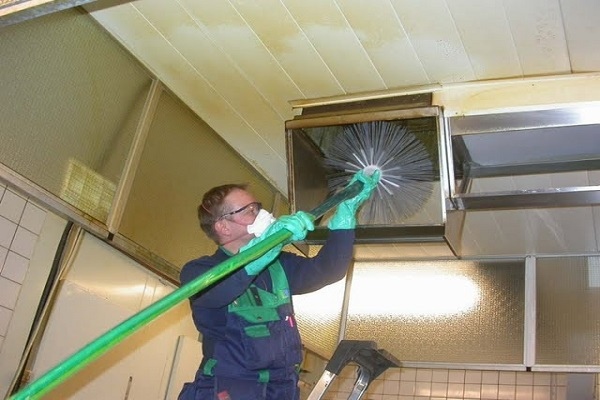
- HVAC and Duct Cleaning: Clearing lint and debris from dryer vents and air ducts to improve efficiency and safety.
- Automotive Detailing: Cleaning wheels, engine components, and undercarriages.
- General Maintenance: Polishing, cleaning, and restoring a wide range of household and industrial surfaces.
For those working in production environments, rotary brush solutions for production environments can help streamline cleaning and finishing processes.
Best Practices for Safety and Quality
While rotary brush finishing is generally safe, following a few best practices will help ensure both quality results and user safety:
- Always wear appropriate personal protective equipment, such as safety glasses and gloves.
- Secure the workpiece to prevent movement during operation.
- Inspect brushes before use for signs of wear or damage.
- Follow manufacturer guidelines for speed, pressure, and maintenance.
- Work in a well-ventilated area, especially when removing paint, rust, or other hazardous materials.
For those seeking to maintain high standards, the rotary brush cleaning quality standards guide provides detailed recommendations on achieving consistent, professional results.
Frequently Asked Questions
What surfaces can be treated with rotary brush finishing?
Rotary brushes are suitable for a wide range of surfaces, including metal, wood, plastic, and even some delicate materials. The key is to select the appropriate brush type and bristle material for the specific application to avoid damage.
How often should rotary brushes be replaced?
The lifespan of a rotary brush depends on usage, material, and maintenance. Brushes should be replaced when bristles become excessively worn, deformed, or if the tool no longer delivers consistent results. Regular inspection after each use is recommended.
Are rotary brush systems safe for home use?
Yes, many rotary brush kits are designed for homeowners and come with safety features and clear instructions. Always follow manufacturer guidelines, wear protective gear, and use the brush only for its intended purpose to ensure safety.
Conclusion
Rotary brush finishing offers a versatile and effective solution for cleaning, polishing, and preparing surfaces across a broad spectrum of industries and home applications. By understanding the different types of brushes, mastering proper techniques, and choosing the right tools, users can achieve professional-quality results efficiently and safely. For those looking to stay ahead, keeping up with rotary brush system future trends ensures you benefit from the latest innovations and best practices in the field.