Rotary brush systems are essential for efficient cleaning in a variety of industries, from HVAC duct maintenance to dryer vent servicing and industrial machinery upkeep. Following rotary brush operational best practices not only extends the lifespan of your equipment but also ensures safety, optimal results, and regulatory compliance. This guide provides a comprehensive checklist for operators, supervisors, and facility managers who want to maximize the performance and reliability of their rotary brush systems.
Whether you are new to rotary brush technology or looking to refine your procedures, understanding the latest rotary brush cleaning technology trends can help you stay ahead. Adopting a systematic approach to operation, inspection, and maintenance will reduce downtime and improve cleaning outcomes.

Why Follow a Rotary Brush Operations Checklist?
Implementing a structured checklist for rotary brush operations is crucial for several reasons:
- Consistency: Ensures every operator follows the same steps, reducing errors and omissions.
- Safety: Identifies hazards and enforces safety measures to protect staff and equipment.
- Efficiency: Streamlines workflow and minimizes unnecessary downtime.
- Quality Control: Promotes thorough cleaning and compliance with industry standards.
For deeper insights into maintaining quality, see the rotary brush cleaning quality standards guide.
Pre-Operation Preparation for Rotary Brush Systems
Before starting any cleaning job, proper preparation is key. Here’s what to check before powering up your rotary brush equipment:
- Inspect the Brush: Look for worn bristles, bent shafts, or debris lodged in the brush head. Replace or clean as needed.
- Check Attachments and Extensions: Ensure all rods, couplings, and adapters are securely fastened and free from cracks or damage.
- Verify Power Source: Confirm that the drill or motor is fully charged or connected to a reliable power supply. Test the trigger and speed controls.
- Review Safety Gear: Wear appropriate PPE, including gloves, safety glasses, and dust masks. Make sure all team members are equipped.
- Clear the Area: Remove obstacles and secure loose items in the work zone to prevent tripping or entanglement.
Best Practices During Rotary Brush Operation
While the system is in use, following these operational guidelines will help you achieve the best results and avoid common pitfalls:
- Start Slow: Begin at a low speed to prevent sudden jerks or snags. Gradually increase speed as needed for the cleaning task.
- Monitor Brush Movement: Keep the brush moving steadily. Avoid forcing it through tight bends or blockages, which can damage both the brush and the duct or vent.
- Watch for Overheating: Periodically check the temperature of the motor and brush. If you notice excessive heat, pause and allow components to cool.
- Listen for Unusual Sounds: Grinding, rattling, or squealing noises may indicate a problem with the brush, shaft, or drive mechanism. Stop and inspect immediately.
- Maintain Visibility: Use adequate lighting and, if possible, inspection cameras to monitor progress inside ducts or vents.
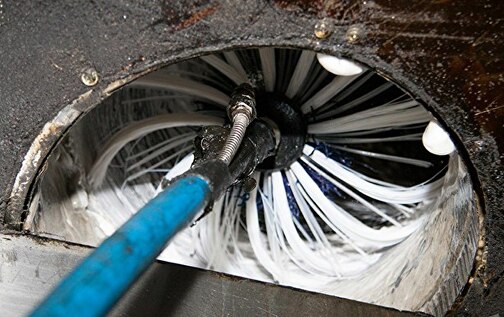
Post-Operation Steps and Maintenance
After completing a cleaning job, it’s important to follow a set of post-operation procedures to keep your rotary brush equipment in top condition:
- Disassemble and Clean: Remove the brush and any extensions. Clean all parts thoroughly to remove dust, lint, or residue.
- Inspect for Damage: Check for bent rods, cracked couplings, or worn bristles. Replace any damaged components before the next use.
- Lubricate Moving Parts: Apply manufacturer-recommended lubricant to shafts and joints to prevent rust and ensure smooth operation.
- Store Properly: Keep brushes and accessories in a dry, organized location, away from direct sunlight or moisture.
- Document Usage: Record the date, location, and any issues encountered during the cleaning session. This helps with scheduling maintenance and tracking equipment lifespan.
Advanced Tips for Rotary Brush System Efficiency
To further enhance your cleaning results and system longevity, consider these expert recommendations:
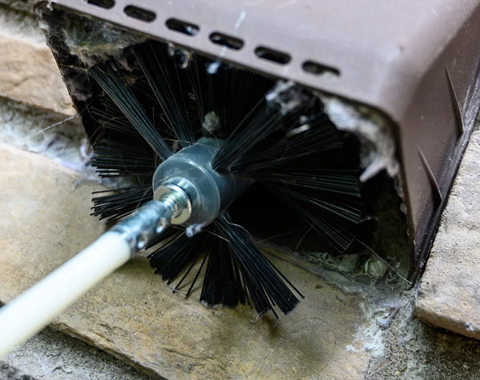
- Choose the Right Brush Type: Select a brush size and bristle material suited to the duct or vent you’re cleaning. Overly stiff bristles can damage delicate surfaces, while soft brushes may be ineffective on heavy buildup.
- Use Inspection Tools: Incorporate cameras or mirrors to verify cleanliness and spot missed debris.
- Schedule Regular Maintenance: Set up a routine for deep cleaning and inspection of your rotary brush system, especially in high-use environments.
- Stay Updated on Industry Trends: Explore the latest rotary brush system future trends to adopt new technologies and methods that improve efficiency.
- Train Your Team: Provide hands-on training and refresher courses to ensure all operators are familiar with best practices and safety protocols.
Common Mistakes to Avoid When Using Rotary Brush Systems
Even experienced operators can fall into bad habits. Here are some frequent mistakes and how to avoid them:
- Skipping Pre-Use Inspection: Failing to check equipment before use can lead to breakdowns or unsafe conditions.
- Overloading the Brush: Forcing the brush through heavy blockages or using excessive speed can damage the system and reduce cleaning effectiveness.
- Neglecting Safety Gear: Skipping PPE increases the risk of injury from debris, dust, or accidental contact with moving parts.
- Improper Storage: Leaving brushes in damp or cluttered areas can cause rust, warping, or contamination.
- Ignoring Manufacturer Guidelines: Always follow the specific instructions and maintenance schedules provided by your equipment manufacturer.
Industry Resources and Further Reading
For more detailed cleaning techniques and troubleshooting, refer to this comprehensive guide to cleaning rotary dryers. You can also find additional tips and expert advice in the rotary brush system expert tips article.
If you work in a manufacturing or industrial setting, explore rotary brush solutions for production environments to see how these systems are adapted for large-scale operations.
Rotary Brush Operations FAQ
How often should rotary brush equipment be inspected?
It’s recommended to inspect your rotary brush system before every use and perform a more thorough check at least once a month. Regular inspections help catch wear and tear early, preventing unexpected breakdowns.
What safety precautions should operators take?
Operators should always wear gloves, safety glasses, and dust masks. Ensure the work area is clear, and never operate the brush near loose clothing or jewelry. Follow lockout/tagout procedures if working on powered equipment.
Can rotary brush systems be used for all types of ducts and vents?
While rotary brushes are versatile, it’s important to select the correct brush size and bristle type for each application. Some delicate or flexible ducts may require specialized brushes or alternative cleaning methods to avoid damage.
Where can I find more information about new rotary brush technologies?
Stay informed by reading about rotary brush cleaning technology trends and future developments in the industry.