Choosing the right material for a rotary brush is essential for achieving optimal cleaning, finishing, or surface preparation results. The process of rotary brush material selection involves evaluating the specific requirements of your application, the surfaces involved, and the desired durability and performance. This guide explores the key factors, material types, and practical considerations to help you make informed decisions for industrial, commercial, or residential uses.
Whether you are maintaining HVAC systems, cleaning ducts, or preparing surfaces in manufacturing, understanding the strengths and limitations of various brush materials can significantly impact efficiency and longevity. For those interested in broader system innovations, you may also want to explore rotary brush solutions for production environments to see how different setups can complement your material choices.
Understanding the Importance of Brush Material Choice
The material used in a rotary brush directly affects its cleaning power, abrasion level, flexibility, and lifespan. Selecting the wrong material can lead to premature wear, surface damage, or ineffective cleaning. Conversely, the right choice ensures efficiency and protects both the brush and the surfaces being worked on. For example, softer bristles are ideal for delicate surfaces, while stiffer or more abrasive materials are suited for heavy-duty applications.
Common Materials Used in Rotary Brushes
There are several materials commonly used in the construction of rotary brushes, each offering unique characteristics. Here are the main categories:
- Nylon: Known for its flexibility, chemical resistance, and durability. Nylon brushes are suitable for both wet and dry cleaning and can be used on a variety of surfaces without causing scratches.
- Polypropylene: Offers good chemical resistance and is cost-effective. Polypropylene bristles are slightly stiffer than nylon and are often used for general cleaning tasks.
- Natural Fibers: Materials like horsehair or tampico are gentle and ideal for polishing or cleaning sensitive surfaces. They are biodegradable and preferred in applications where environmental impact is a concern.
- Abrasive-Filled Nylon: These bristles are impregnated with abrasive particles such as silicon carbide or aluminum oxide. They are designed for deburring, surface finishing, and aggressive cleaning tasks.
- Wire (Steel, Stainless Steel, Brass): Wire brushes provide maximum abrasion and are used for rust removal, paint stripping, and heavy-duty industrial cleaning. Stainless steel is preferred for corrosion resistance, while brass is softer and less likely to spark.
Factors to Consider in Rotary Brush Material Selection
When evaluating which brush material to use, consider the following factors to ensure the best results for your specific needs:
- Surface Type: Hard surfaces like metal or concrete can withstand stiffer bristles, while softer materials (plastic, wood, painted surfaces) require gentler options.
- Contaminant Type: The nature of the debris or buildup (dust, grease, rust, paint) will influence the required abrasiveness and flexibility.
- Chemical Compatibility: If the brush will be exposed to solvents or cleaning agents, choose a material that resists degradation.
- Temperature Resistance: Some applications involve high temperatures, which can affect the integrity of certain plastics or natural fibers.
- Moisture Exposure: Brushes used in wet environments should be made from materials that resist water absorption and microbial growth.
- Durability and Cost: Balance the expected lifespan of the brush with the budget for replacements. Sometimes, a slightly higher upfront cost for a more durable material pays off in the long run.
Comparing Popular Rotary Brush Materials
| Material | Strengths | Best For | Limitations |
|---|---|---|---|
| Nylon | Flexible, durable, chemical-resistant | General cleaning, ductwork, delicate surfaces | May deform under high heat |
| Polypropylene | Stiff, affordable, chemical-resistant | Wet/dry cleaning, outdoor use | Less flexible, wears faster than nylon |
| Natural Fibers | Gentle, biodegradable | Polishing, sensitive surfaces | Not suitable for harsh chemicals or high abrasion |
| Abrasive-Filled Nylon | High abrasion, long-lasting | Deburring, surface prep | Can damage soft surfaces |
| Wire (Steel, Stainless, Brass) | Maximum abrasion, heat-resistant | Rust removal, paint stripping | Risk of scratching, sparking (except brass) |
Application Examples and Material Recommendations
To illustrate how material selection impacts performance, here are some typical scenarios:
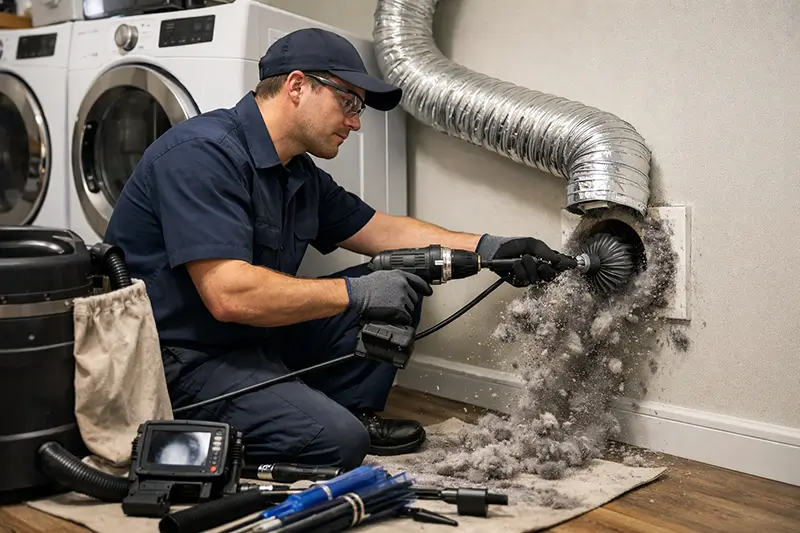
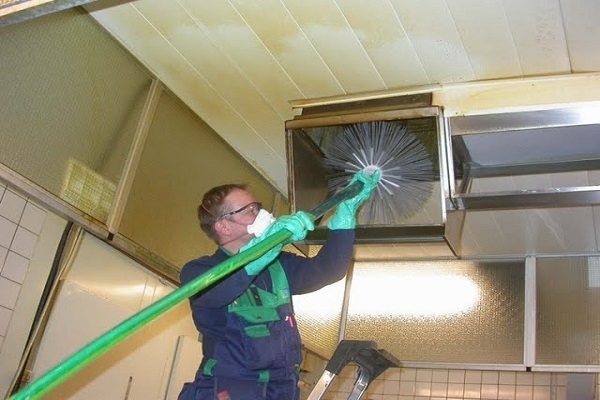
- Dryer Vent and Duct Cleaning: Nylon or polypropylene brushes are preferred for their flexibility and ability to navigate bends without damaging ductwork. For more on system innovations, see rotary brush system future trends.
- Industrial Surface Preparation: Abrasive-filled nylon or wire brushes are chosen for removing rust, scale, or old paint from metal surfaces.
- Polishing and Finishing: Natural fiber brushes are ideal for buffing and polishing delicate surfaces, such as wood or soft metals.
- Food Processing: Polypropylene is often used due to its resistance to moisture and chemicals, as well as its ease of cleaning.
Best Practices for Choosing Rotary Brush Materials
To ensure you select the most suitable brush material for your needs, follow these best practices:
- Assess the Application: Define the primary task—cleaning, polishing, deburring, or surface prep—and the environment in which the brush will be used.
- Test When Possible: If unsure, test small samples of different materials on your target surface to observe performance and wear.
- Consult Manufacturer Guidelines: Many brush manufacturers provide charts or recommendations based on specific use cases and materials.
- Balance Performance and Cost: Sometimes, investing in a higher-quality brush pays off through longer service life and better results.
- Consider Hybrid Options: Some modern systems use a combination of materials for enhanced performance. Learn more about these approaches in rotary brush hybrid cleaning systems.
Maintenance and Replacement Considerations
Even the best material will wear out over time. Regular inspection and timely replacement are crucial for maintaining cleaning efficiency and protecting your equipment. For tips on maximizing the lifespan of your brushes, see rotary brush lifespan optimization. Proper storage, cleaning after use, and avoiding exposure to harsh chemicals (unless the brush is rated for them) will also extend the life of your tools.
Advanced Topics: System Compatibility and Motor Selection
Material choice should also be compatible with your rotary brush system and motor. Heavier or stiffer brushes may require more powerful motors, while lightweight or flexible brushes can be used with standard systems. For guidance on matching your brush material with the right motor, refer to rotary brush motor selection.
Additionally, understanding the differences between negative air pressure and rotary brush cleaning can help you determine the best approach for your needs. For a detailed comparison, check out this in-depth article on negative air pressure vs. rotary brush cleaning.
Frequently Asked Questions
How do I know which rotary brush material is best for my application?
Start by considering the surface you’ll be working on, the type of debris or buildup, and any chemicals or temperatures involved. Refer to manufacturer recommendations and, if possible, test different materials on a small area before committing to a full-scale purchase.
Can I use the same brush material for both wet and dry cleaning?
Some materials like nylon and polypropylene are suitable for both wet and dry environments. However, natural fibers may degrade faster when exposed to moisture, and certain abrasives may not perform as well when wet. Always check the specifications for compatibility.
How often should rotary brushes be replaced?
The replacement frequency depends on usage intensity, material type, and the surfaces being cleaned. Inspect brushes regularly for signs of wear, deformation, or loss of bristle integrity. Replacing them at the first sign of significant wear will ensure consistent performance and protect your equipment.