Pets bring warmth and companionship to a home, but they also introduce unique challenges for indoor air quality. One of the most significant concerns for homeowners with animals is the impact of pets on HVAC dust and dander accumulation. As furry friends shed hair and skin flakes, these particles can circulate through heating and cooling systems, affecting both cleanliness and health. Understanding how pets influence dust and dander levels in your HVAC system is essential for maintaining a comfortable and healthy living environment.
Routine maintenance and targeted cleaning strategies can help minimize the effects of pet-related debris in your air ducts and filters. For those interested in broader HVAC care, learning how to clean an HRV filter can also contribute to better air quality throughout the home.
How Pets Contribute to Dust and Dander in HVAC Systems
Animals naturally shed hair and microscopic skin particles known as dander. These materials are lightweight and easily become airborne, especially in homes with central heating and cooling. Once airborne, pet hair and dander are drawn into return vents and distributed throughout the ductwork. Over time, this leads to a buildup of debris inside the HVAC system, which can reduce efficiency and degrade indoor air quality.
Key ways pets influence dust and dander levels include:
- Shedding: Cats, dogs, and other furry animals shed hair that can accumulate in vents and filters.
- Dander production: Even hypoallergenic breeds produce dander, which is a common allergen.
- Tracking in dirt: Pets often bring in outdoor dust and pollen, which can add to the overall debris inside your home.
These factors combine to create a persistent source of particles that can overwhelm standard HVAC filtration if not managed properly.
Recognizing the Signs of Pet-Related HVAC Dust Issues
It’s not always obvious when pets are affecting your HVAC system, but there are several signs to watch for:
- Visible dust or pet hair near vents and registers
- Increased allergy symptoms or respiratory irritation among household members
- Unpleasant odors coming from ducts
- Frequent filter clogs or reduced airflow from vents
If you notice any of these issues, it’s likely that pet hair and dander are accumulating in your system. Addressing these problems early can prevent more serious concerns, such as decreased system efficiency or costly repairs.
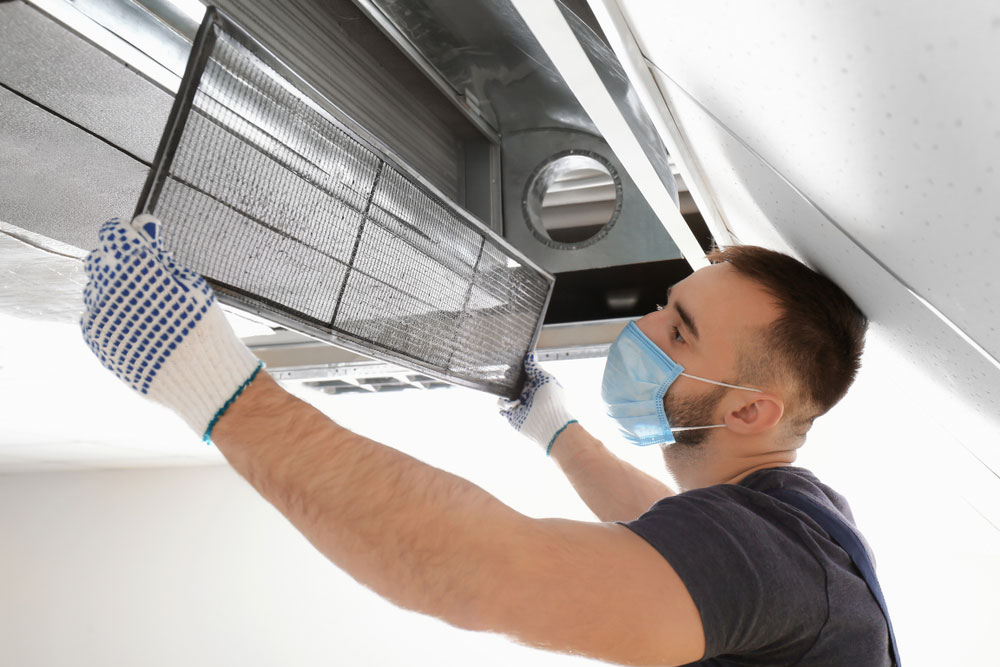
Managing the Impact of Pets on HVAC Dust and Dander
There are several practical steps homeowners can take to reduce the influence of pets on dust and dander levels in their HVAC systems. These strategies not only improve air quality but also help maintain system performance and longevity.
Upgrade to High-Efficiency Filters
Standard HVAC filters may not be sufficient to capture fine pet dander and hair. Consider upgrading to a HEPA (High-Efficiency Particulate Air) filter or a filter with a higher MERV (Minimum Efficiency Reporting Value) rating. These filters are designed to trap smaller particles, including pet allergens, before they can circulate through your home.
Increase Filter Replacement Frequency
With pets in the home, filters become clogged more quickly. Check your filters monthly and replace them at least every 1–2 months, or more often if you have multiple animals or heavy shedders. This simple habit can significantly reduce airborne dust and dander.
Regular Duct Cleaning
Professional duct cleaning removes built-up pet hair, dander, and other debris from your system. This is especially important for households with multiple pets or allergy sufferers. For those who prefer a do-it-yourself approach, there are resources available, such as this step-by-step guide to cleaning air ducts yourself, which can help you tackle the job safely and effectively.
Frequent Home Cleaning
Vacuuming carpets, rugs, and upholstery regularly helps control the amount of pet hair and dander that enters your HVAC system. Use a vacuum with a HEPA filter for best results. Additionally, grooming your pets frequently can minimize shedding and reduce the amount of loose hair in your home.

Health and Comfort Benefits of Managing Pet-Related Dust
Reducing pet hair and dander in your HVAC system goes beyond keeping your home clean. It also provides important health and comfort benefits:
- Improved air quality: Removing allergens helps everyone breathe easier, especially those with asthma or allergies.
- Odor control: Clean ducts and filters prevent lingering pet smells from circulating.
- Better HVAC performance: Less debris means your system doesn’t have to work as hard, improving efficiency and potentially lowering energy bills.
- Longer system lifespan: Minimizing dust and dander buildup can reduce wear and tear on HVAC components.
By taking proactive steps to address the impact of pets on HVAC dust, you can create a healthier and more comfortable indoor environment for both people and animals.
Additional Tips for Pet Owners
Beyond the basics, there are a few more ways to keep your HVAC system running smoothly in a pet-friendly home:
- Keep pets out of rooms with open vents during cleaning to prevent hair from entering the system.
- Seal ductwork leaks to prevent dust and dander from escaping into walls or crawl spaces.
- Consider using air purifiers in high-traffic pet areas for extra filtration support.
- Schedule annual HVAC inspections to catch potential issues early.
For those with unique heating setups, such as wood stoves or multi-zone systems, learning how to clean a wood stove vent or how to clean a multi zone HVAC system can further enhance air quality and system performance.
Frequently Asked Questions
How often should I change my HVAC filter if I have pets?
For homes with pets, it’s best to check filters monthly and replace them every 1–2 months. If you have multiple pets or animals that shed heavily, you may need to change filters even more frequently to maintain optimal airflow and air quality.
Can pet dander really affect my HVAC system’s efficiency?
Yes, pet dander and hair can clog filters and accumulate in ductwork, forcing your HVAC system to work harder. This can reduce efficiency, increase energy costs, and potentially shorten the lifespan of your equipment.
What’s the best way to remove pet hair from air ducts?
Professional duct cleaning is the most thorough option, but you can also use a vacuum with a long hose attachment for light maintenance. For detailed instructions, refer to a comprehensive guide to cleaning air ducts yourself.
Are there specific filters recommended for homes with pets?
HEPA filters or those with a high MERV rating are ideal for trapping pet hair and dander. Always check your HVAC system’s compatibility before upgrading to a higher-efficiency filter.
Managing the impact of pets on HVAC dust requires a combination of regular cleaning, filter maintenance, and smart home habits. By staying proactive, you can enjoy the benefits of pet ownership without compromising your indoor air quality or HVAC performance.