Maintaining a healthy indoor environment goes beyond just removing visible dust and debris from your HVAC system. After a thorough cleaning, it’s essential to take the next step: sanitizing air ducts. This process helps eliminate lingering bacteria, mold spores, and allergens, ensuring the air circulating through your home is as fresh and safe as possible. For those who want to maximize indoor air quality, understanding how to sanitize air ducts after cleaning is crucial.
While cleaning removes physical contaminants, sanitizing targets the microscopic particles and pathogens that can affect respiratory health. This guide explains the importance of post-cleaning duct sanitation, the best methods for doing it safely, and how to keep your ventilation system in top condition for long-term comfort.
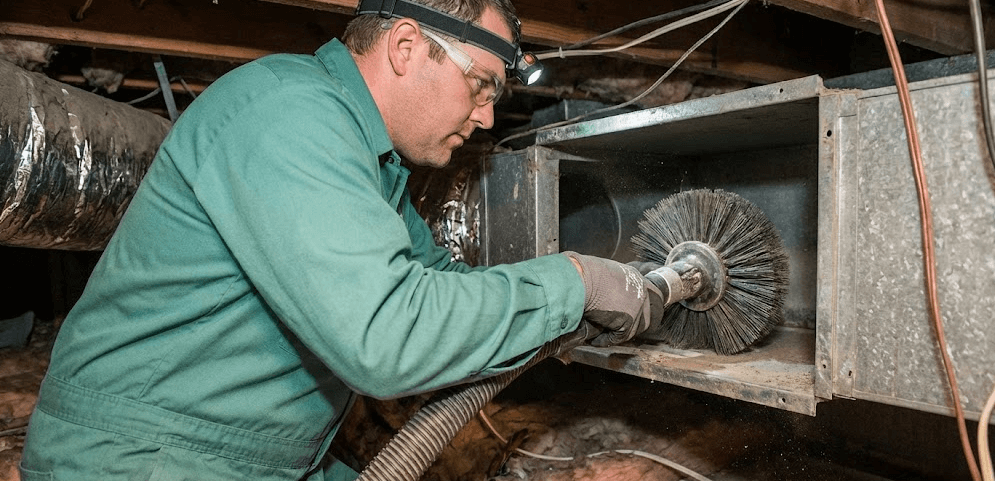
For those interested in related maintenance tips, you may also want to learn how to clean an HRV filter to further improve your home’s air quality.
Why Sanitizing Ducts Matters After Cleaning
Many homeowners believe that once the dust and debris are removed from their ductwork, their job is done. However, even after a detailed cleaning, microscopic contaminants can remain. These include:
- Mold spores that thrive in moist environments
- Bacteria and viruses that can cause illness
- Allergens such as pollen and pet dander
Sanitizing helps neutralize these hidden threats, reducing the risk of respiratory issues and unpleasant odors. According to the EPA’s guidance on air duct cleaning, sanitizing is especially important if there is evidence of mold growth, pest infestations, or if household members have allergies or asthma.
Preparing for the Sanitization Process
Before you begin, ensure the ductwork has been properly cleaned. Remove all dust, debris, and visible contaminants using brushes, vacuums, or professional equipment. Only after this step should you proceed with sanitizing, as applying disinfectant to dirty surfaces is ineffective and can even create clumps that block airflow.
Gather the following supplies:
- EPA-registered duct sanitizing solution or disinfectant
- Protective gear (gloves, mask, goggles)
- Fogger or sprayer designed for HVAC use
- Clean microfiber cloths
- HEPA air scrubber (optional, for enhanced filtration)

Step-by-Step Guide to Sanitizing Air Ducts
Follow these steps to ensure your ductwork is properly sanitized after cleaning:
- Choose the Right Sanitizer: Select a product specifically labeled for HVAC use and approved by the EPA. Avoid using bleach or harsh chemicals, as these can damage duct materials and leave behind harmful residues.
- Turn Off the HVAC System: Before applying any solution, switch off your heating or cooling system to prevent the spread of chemicals throughout the home.
- Apply the Sanitizer: Use a fogger or sprayer to evenly distribute the disinfectant inside the ducts. Focus on areas with visible mold, water damage, or musty odors. Ensure the product reaches all accessible surfaces, including supply and return vents.
- Allow Proper Dwell Time: Let the sanitizer sit for the amount of time recommended by the manufacturer. This ensures maximum effectiveness against bacteria, mold, and viruses.
- Ventilate the Area: After application, open windows and doors to allow fresh air to circulate. This helps remove any lingering fumes and speeds up the drying process.
- Replace Filters: Install new or freshly cleaned air filters to prevent recontamination and improve overall air quality.
Best Practices for Safe and Effective Duct Sanitization
To get the most out of your sanitizing efforts, keep these tips in mind:
- Read all product labels and follow safety instructions carefully.
- Wear protective gear to avoid skin or respiratory irritation.
- Never mix different cleaning agents, as this can create toxic fumes.
- Consider using a HEPA air scrubber during and after sanitization to capture airborne particles and further purify indoor air.
- Schedule regular maintenance and inspections to catch issues early.
If you’re unsure about performing this process yourself, hiring a professional duct cleaning and sanitizing service is a safe alternative. Professionals have access to specialized equipment and can ensure the job is done thoroughly and safely.

How Often Should You Sanitize Your Ductwork?
While routine cleaning is recommended every 3–5 years, the need for sanitizing depends on several factors:
- Recent water damage or flooding
- Mold growth detected inside ducts
- Persistent musty or unpleasant odors
- Allergy or asthma symptoms among household members
- After pest infestations
If any of these issues are present, sanitizing should be performed immediately after cleaning. Otherwise, consider it as an added step every few years or as needed to maintain optimal air quality.
For more in-depth cleaning strategies, see our guide on how to clean a multi zone HVAC system for complex setups.
Additional Tips for Maintaining Fresh Indoor Air
Sanitizing your ducts is just one part of a comprehensive indoor air quality plan. Here are a few more ways to keep your home’s air fresh and healthy:
- Change HVAC filters regularly (every 1–3 months)
- Use a HEPA air purifier in high-traffic or allergy-prone areas
- Keep humidity levels between 30–50% to prevent mold growth
- Schedule annual HVAC inspections
- Clean supply and return vents with a vacuum and damp cloth
Addressing other sources of indoor pollution, such as carpets, upholstery, and pet dander, will further enhance your efforts and help maintain a clean, comfortable environment.
Frequently Asked Questions
Is it safe to use disinfectants in air ducts?
Yes, as long as you use products specifically designed for HVAC systems and follow the manufacturer’s instructions. Avoid household cleaners or bleach, which can damage ductwork and leave behind harmful residues.
How long should I wait before turning my HVAC system back on after sanitizing?
Wait until the sanitizer has completely dried and any fumes have dissipated. This usually takes 1–2 hours, but always check the product’s label for specific recommendations.
Can I sanitize my air ducts myself, or should I hire a professional?
DIY sanitizing is possible with the right equipment and safety precautions. However, if you’re dealing with extensive mold, severe odors, or health concerns, it’s best to consult a professional service for thorough results.
What are signs that my ducts need to be sanitized?
Common signs include persistent musty smells, visible mold inside vents, unexplained allergy symptoms, or recent water damage. If you notice any of these, consider sanitizing your ductwork promptly.
By following these steps and best practices, you can ensure that your home’s air remains clean and healthy long after the initial duct cleaning. Regular maintenance and timely sanitization are key to preventing indoor air quality issues and supporting the well-being of everyone in your household.