Keeping your apartment’s ventilation system clean is essential for maintaining healthy indoor air quality, improving energy efficiency, and extending the life of your HVAC equipment. Dust, allergens, and even mold can accumulate in vents and ducts over time, leading to unpleasant odors and potential health issues. If you’re wondering how to clean an apartment ventilation system safely and effectively, this guide will walk you through the process step by step, highlighting the tools, techniques, and precautions you need to know.
Regular maintenance not only helps prevent respiratory problems but also ensures your system runs smoothly. Before diving into the cleaning process, it’s helpful to understand the structure of your ventilation system and the common signs that it needs attention. For those with more complex setups, such as multi-zone HVAC systems, you might also find value in learning how to clean a multi zone HVAC system for a more comprehensive approach.
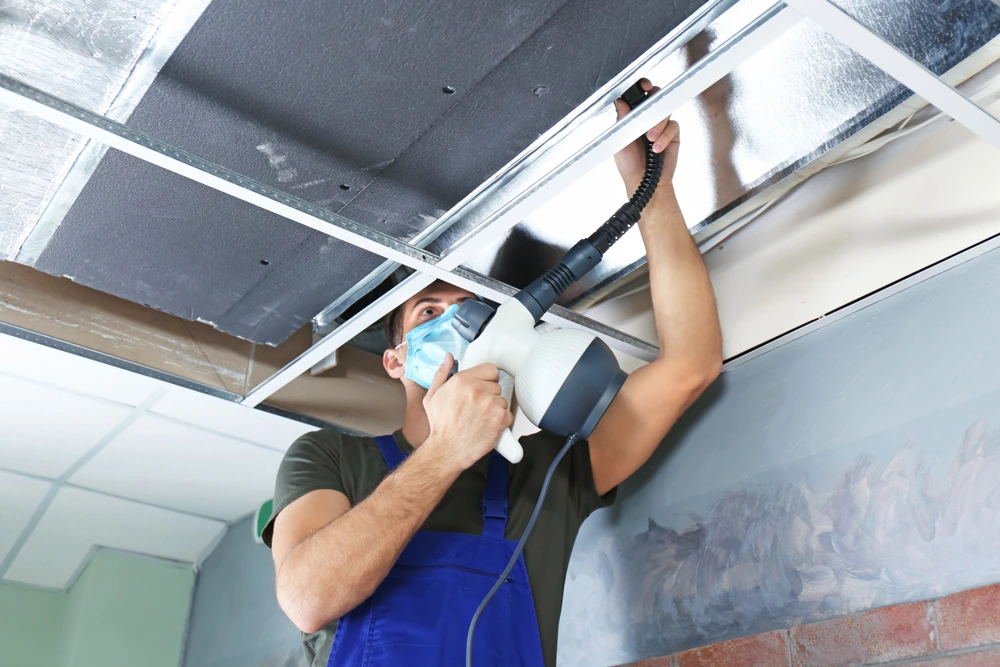
Why Routine Ventilation Cleaning Matters
Neglecting your apartment’s air ducts and vents can result in a buildup of dust, pet dander, pollen, and even mold spores. These contaminants circulate throughout your living space every time the system runs. Over time, this can aggravate allergies, trigger asthma, and contribute to an overall decline in indoor air quality. Additionally, clogged vents force your HVAC system to work harder, leading to higher energy bills and increased wear on components.
By learning how to clean an apartment ventilation system the right way, you can:
- Reduce allergens and airborne particles
- Improve airflow and system efficiency
- Lower energy consumption
- Extend the lifespan of your HVAC equipment
- Prevent unpleasant odors from circulating
Signs Your Apartment Ventilation Needs Cleaning
It’s not always obvious when your ventilation system requires attention. Watch for these common indicators:
- Visible dust or debris around vent covers
- Musty or stale odors when the system runs
- Increased allergy symptoms or respiratory discomfort
- Reduced airflow from vents
- Unexplained spikes in energy bills
If you notice any of these signs, it’s a good idea to schedule a cleaning session or consider a more thorough inspection.
Essential Tools and Supplies for Vent Cleaning
Before starting, gather the following items to ensure a safe and effective cleaning process:
- Screwdriver (to remove vent covers)
- Vacuum cleaner with hose and brush attachments
- Microfiber cloths or rags
- Soft-bristle brush or vent cleaning brush
- Mild detergent or cleaning solution
- Protective gloves and dust mask
- HEPA air scrubber (optional for deeper cleaning)
Using a HEPA air scrubber can help capture fine particles released during cleaning, especially if you have allergies or sensitivities.

Step-by-Step Guide to Apartment Ventilation Cleaning
1. Turn Off the HVAC System
For safety, always switch off your heating or cooling system before starting. This prevents dust from circulating and protects you from moving parts.
2. Remove and Clean Vent Covers
Use a screwdriver to carefully remove vent covers or grilles. Soak them in warm, soapy water and scrub with a soft brush to remove dust and grime. Allow them to dry completely before reinstalling.
3. Vacuum Inside the Ducts
Attach a hose and brush to your vacuum cleaner. Gently insert the hose into the duct opening and vacuum as far as possible, focusing on removing loose dust and debris. For deeper cleaning, a flexible vent brush can help dislodge stubborn buildup.
If you’re dealing with specific issues like charcoal dust after a leak, consider following specialized advice such as how to remove charcoal dust from vents for targeted cleaning steps.
4. Wipe Down Accessible Surfaces
Use a damp microfiber cloth to wipe the inside edges of the duct and the surrounding wall area. Avoid using harsh chemicals, as they can leave residues that circulate through your home.
5. Replace or Clean Filters
Check your HVAC or air handler filters and replace or clean them according to the manufacturer’s instructions. Clean filters are crucial for maintaining air quality and system efficiency.
If your system uses a heat recovery ventilator (HRV), you may want to review how to clean an HRV filter for best practices on filter maintenance.
6. Reinstall Vent Covers and Test the System
Once everything is clean and dry, reinstall the vent covers securely. Turn your HVAC system back on and check for improved airflow and reduced odors.
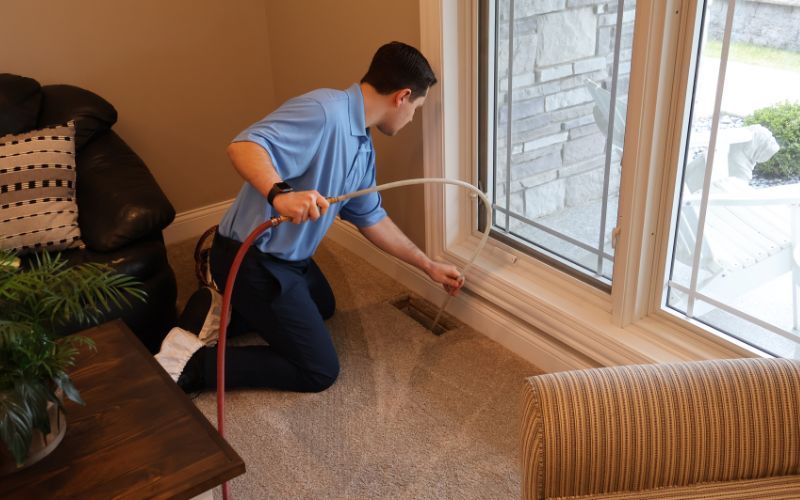
Tips for Safe and Effective Ventilation Maintenance
- Always wear gloves and a dust mask to protect yourself from allergens and debris.
- Clean vents and ducts at least once a year, or more often if you have pets or allergies.
- Consider using a HEPA air scrubber during cleaning to trap airborne particles.
- If you notice mold or a persistent musty smell, consult a professional for inspection and remediation.
- For hard-to-reach ducts, a shop vac can be helpful. Learn more about how to use a shop vac for vent suction for professional results.
When to Call a Professional
While many apartment dwellers can handle basic vent cleaning themselves, there are situations where professional help is recommended:
- Visible mold growth inside ducts or on vent covers
- Unusual noises or persistent odors after cleaning
- Extensive dust buildup that regular vacuuming can’t address
- Complex or inaccessible ductwork
Professional duct cleaning services use specialized equipment to reach deep inside the system, ensuring a thorough job. For a detailed DIY approach, you can also review this step-by-step guide to cleaning heating and air conditioning ducts for additional insights.
Frequently Asked Questions
How often should I clean my apartment’s ventilation system?
Most experts recommend cleaning vents and ducts at least once every 12 to 24 months. If you have pets, allergies, or live in an area with high dust levels, more frequent cleaning may be necessary.
Is it safe to clean air vents myself?
Yes, basic vent cleaning is safe for most apartment residents as long as you follow proper safety precautions, such as turning off the system, wearing protective gear, and avoiding harsh chemicals. For mold or severe buildup, consult a professional.
What are the benefits of using a HEPA air scrubber during cleaning?
A HEPA air scrubber captures fine particles and allergens released during cleaning, preventing them from recirculating in your home. This is especially helpful for those with allergies or respiratory sensitivities.
Can I use regular household cleaners inside the ducts?
It’s best to avoid harsh chemicals inside your ventilation system. Use mild detergent and water for vent covers and accessible surfaces, and always ensure everything is completely dry before reassembling.
What should I do if I notice mold in my vents?
If you see visible mold or smell a persistent musty odor, stop cleaning and contact a professional duct cleaning service. Mold requires specialized treatment to ensure it’s safely and thoroughly removed.