Pests such as rodents, insects, and even small birds can find their way into residential and commercial air ducts, causing significant issues that often go unnoticed until the damage is severe. Identifying and addressing these problems early is crucial for maintaining healthy indoor air quality and ensuring the efficiency of your HVAC system. One of the most effective methods for uncovering hidden issues is a duct camera inspection for pest damage. This process uses specialized equipment to visually assess the inside of ductwork, revealing signs of infestation, nesting, or structural harm that might otherwise remain undetected.
If you’re curious about what to expect during a professional cleaning or want to understand more about the process, you might find this detailed explanation of what happens during a professional duct cleaning helpful. Early detection and intervention can save you from costly repairs and help maintain a safe, comfortable environment.
Why Inspect Ductwork for Pest-Related Issues?
Air ducts are often hidden behind walls, ceilings, and floors, making them an attractive shelter for pests. Over time, these intruders can chew through insulation, leave droppings, build nests, and even die inside the ducts. The consequences include:
- Reduced air quality due to allergens, bacteria, and odors from pest activity
- Decreased HVAC efficiency as blockages and damage impede airflow
- Potential for expensive repairs if infestations are left unchecked
- Health risks from exposure to droppings, dander, and decomposing pests
Regular visual checks are rarely enough. That’s where duct camera inspection for pest damage becomes invaluable, offering a clear, real-time look inside the entire duct system.
How Camera Technology Detects Pest Damage in Ducts
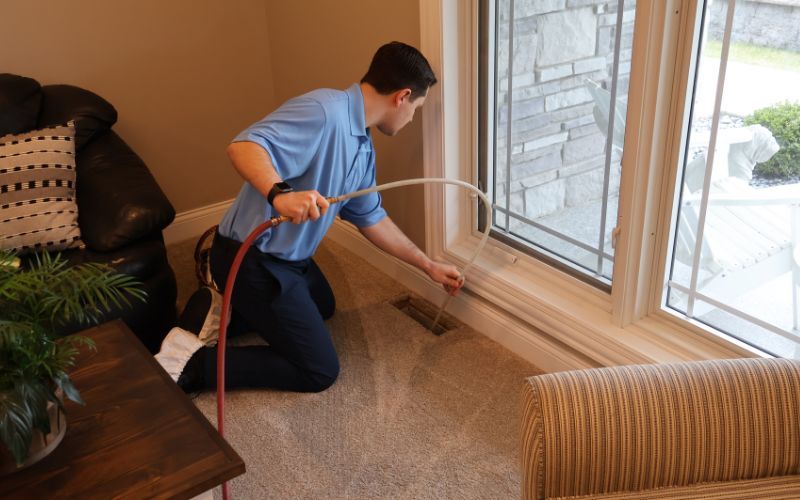
Modern inspection tools use flexible, high-resolution cameras attached to long cables. These devices are inserted into vents and maneuvered through the ductwork, transmitting live video to a monitor. This approach allows technicians to:
- Spot nests, droppings, and chewed insulation
- Identify entry points and breaches caused by pests
- Assess the extent of contamination and physical damage
- Document findings for insurance or remediation purposes
Unlike traditional inspections, this method is non-invasive and provides a comprehensive overview without dismantling large sections of the system. It’s especially useful for pinpointing hidden problems that could compromise your home’s air quality or HVAC performance.
Common Signs of Pest Activity Revealed by Duct Cameras
During a thorough duct camera inspection for pest damage, technicians look for several telltale indicators:
- Nesting material such as shredded insulation, paper, or fabric
- Visible droppings or urine stains
- Chewed or gnawed duct linings and insulation
- Accumulated debris and food remnants
- Unusual odors or discoloration on duct surfaces
- Live or dead pests inside the ductwork
Identifying these issues early allows for targeted cleaning, repairs, and pest control measures, preventing further damage and improving indoor air quality.
Benefits of Early Detection and Professional Assessment
Addressing pest problems in ductwork as soon as they are discovered offers several advantages:
- Cost savings by avoiding extensive repairs or duct replacement
- Improved energy efficiency and reduced utility bills
- Healthier indoor air by eliminating allergens and contaminants
- Peace of mind knowing your HVAC system is clean and safe
Professional inspections also provide documentation for homeowners, property managers, or insurance claims, making it easier to coordinate remediation and prove the need for repairs.

Steps Involved in a Duct Camera Inspection Process
A typical inspection for pest-related duct issues involves several key steps:
- Initial assessment: The technician discusses any signs or suspicions of pest activity with the homeowner.
- Preparation: Vents and registers are accessed, and the camera equipment is set up.
- Camera insertion: The flexible camera is guided through the ductwork, transmitting live video to a monitor.
- Documentation: Findings are recorded, with photos or video clips of any damage or infestation.
- Reporting: The technician provides a detailed report and recommends next steps, which may include cleaning, repairs, or pest control.
For those interested in maintaining their own systems, learning about the tools needed for DIY duct cleaning can be a helpful resource, though pest-related issues are best handled by professionals.
When to Schedule a Duct Camera Inspection
Not every home or business needs frequent inspections, but certain situations warrant immediate attention:
- Unexplained musty or foul odors from vents
- Visible droppings or nesting material near registers
- Recent pest infestations elsewhere in the building
- Unusual noises coming from inside the ductwork
- Reduced airflow or sudden spikes in energy bills
If any of these signs are present, a camera-based inspection can quickly determine the cause and guide necessary repairs or cleaning.
Choosing a Qualified Inspection Service
When selecting a provider for this specialized service, look for companies with experience in both HVAC maintenance and pest detection. Ask about the type of camera equipment used, request sample reports, and ensure technicians are trained to identify a wide range of pest-related issues.
For a comprehensive overview of the inspection process, this home guide to air duct inspection offers additional insights into what to expect and how to prepare.
FAQ: Duct Camera Inspections and Pest Damage
What types of pests are commonly found in air ducts?
The most frequent intruders include rodents (such as mice and rats), insects (like cockroaches and ants), and occasionally birds or small mammals. These pests are attracted to the warmth and shelter ducts provide, especially in colder months.
How often should ductwork be inspected for pest damage?
While there is no universal rule, it’s wise to schedule an inspection if you notice any signs of infestation or after a pest problem has been identified elsewhere in your building. For general maintenance, consider an assessment every few years, or refer to expert advice on how often should air ducts be cleaned.
Can I perform a duct camera inspection myself?
While DIY kits exist, professional-grade equipment and expertise are usually required to navigate ductwork thoroughly and interpret findings accurately. For minor cleaning, you can learn about how to clean air ducts yourself, but pest-related inspections are best left to trained technicians.