Musty odors coming from your HVAC system can be more than just a nuisance—they may signal hidden issues within your ductwork that affect indoor air quality and comfort. Homeowners and facility managers often struggle to pinpoint the source of these unpleasant smells, as the root cause is usually concealed deep inside the air ducts. This is where duct camera inspection for musty smells becomes a highly effective solution, allowing professionals to visually assess the interior of duct systems and identify the underlying problems.
Understanding what causes musty odors and how modern inspection tools work is essential for anyone seeking to maintain a healthy, odor-free environment. In this article, we’ll explore the process, benefits, and practical considerations of using specialized cameras to diagnose and resolve persistent smells in ductwork. If you’re also interested in broader HVAC maintenance, you might find our guide on how to clean an HRV filter useful for keeping your system running efficiently.
Why Musty Odors Develop Inside Air Ducts
A stale or musty smell from your vents is often a sign of moisture buildup, microbial growth, or accumulated debris within the ductwork. These issues can arise from several sources:
- Moisture infiltration due to leaks, condensation, or high humidity levels.
- Mold and mildew growth on duct surfaces or insulation.
- Dust, pet dander, and organic debris trapped inside the ducts, providing food for bacteria and fungi.
- Poor ventilation or inadequate air circulation, allowing odors to linger.
Traditional inspection methods often fall short, as ducts are typically hidden behind walls, ceilings, or floors. This makes it difficult to visually confirm the presence of contaminants or pinpoint the exact location of the problem.
How Duct Camera Inspection for Musty Smells Works
A duct camera inspection for musty smells involves inserting a specialized, flexible camera into the ductwork. This camera transmits real-time video to a monitor, allowing technicians to see inside the ducts without invasive demolition or guesswork. The process typically includes:
- Accessing the duct system through existing vents or small service openings.
- Guiding the camera throughout the duct network, capturing high-resolution images and video.
- Identifying visible signs of moisture, mold, debris, or damage.
- Documenting findings to inform cleaning, repairs, or remediation steps.
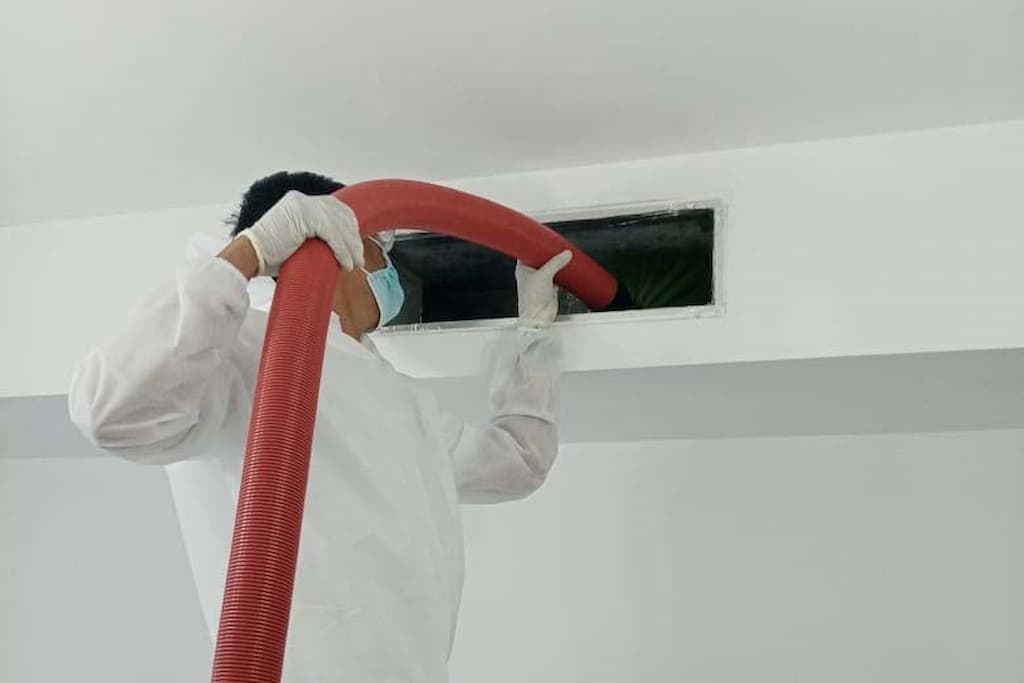
This technology provides a clear, up-close look at the interior condition of your ductwork, making it much easier to locate the source of musty odors and determine the best course of action.
Benefits of Using Cameras to Diagnose Odor Issues
There are several advantages to using a camera-based approach for identifying and resolving unpleasant smells in duct systems:
- Accurate problem identification: Visual confirmation of mold, moisture, or debris ensures targeted solutions.
- Non-destructive inspection: No need to cut into walls or ceilings, minimizing disruption and repair costs.
- Comprehensive documentation: Video and images provide evidence for insurance claims or warranty work.
- Faster resolution: Technicians can quickly assess the extent of contamination and recommend appropriate cleaning or repairs.
- Improved air quality: Addressing the root cause of musty odors helps restore a fresher, healthier indoor environment.
For HVAC professionals, adding camera inspection to their service offerings can also enhance customer trust and satisfaction. If you’re considering expanding your business capabilities, this guide to adding air duct cleaning services provides more details on integrating advanced inspection tools.
What to Expect During a Professional Duct Camera Inspection
When you schedule a camera-based assessment for musty odors, the process is straightforward and minimally invasive:
- The technician will explain the procedure and answer any questions before starting.
- Access points are chosen to allow the camera to navigate the entire duct system.
- Live video is reviewed on-site, and problem areas are noted for further action.
- After the inspection, you’ll receive a summary of findings and recommendations for cleaning, repairs, or remediation.
The entire process usually takes one to two hours, depending on the size and complexity of your ductwork. In some cases, immediate cleaning or mold remediation can be scheduled based on the inspection results.
Common Issues Detected by Camera Inspections
A thorough duct camera inspection for musty smells can reveal a range of hidden problems, including:
- Mold colonies growing on duct surfaces or insulation, often due to condensation or leaks.
- Standing water or damp spots indicating drainage issues or roof leaks.
- Accumulated dust, lint, or pet hair that traps moisture and feeds bacteria.
- Rodent or insect infestations leaving behind droppings or nesting materials.
- Physical damage such as disconnected joints, holes, or crushed sections that allow contaminants to enter.
Once these issues are identified, targeted cleaning, repairs, or sealing can be performed to eliminate odors and prevent recurrence.
How to Prepare for a Duct Camera Inspection
To get the most out of your inspection, consider these preparation tips:
- Clear access to vents, registers, or attic spaces where the technician will work.
- Inform the technician about any recent water leaks, renovations, or pest problems.
- Make a note of when and where you notice musty odors, as this can help narrow down the inspection focus.
- Ask about post-inspection cleaning or remediation options so you can plan ahead.
Being prepared helps ensure a smooth, efficient process and maximizes the value of the inspection.
Prevention and Maintenance Tips After Inspection
After resolving the source of musty odors, regular maintenance is key to keeping your ductwork clean and odor-free:
- Schedule periodic duct inspections, especially if you live in a humid climate or have experienced water damage.
- Replace HVAC filters regularly to reduce dust and debris buildup.
- Ensure proper ventilation in attics, basements, and crawl spaces to minimize moisture.
- Address leaks or condensation issues promptly to prevent mold growth.
- Consider professional duct cleaning every few years or after major home renovations.
For more specialized advice, you may want to read about how to clean a multi zone HVAC system or how to remove charcoal dust from vents if you’ve experienced specific contamination events.
FAQ About Duct Camera Inspections and Musty Odors
What are the most common causes of musty smells in ductwork?
The most frequent culprits are mold and mildew growth due to moisture, accumulated dust and organic debris, and sometimes pest infestations. Poor ventilation and water leaks can also contribute to persistent odors.
How often should I schedule a duct camera inspection?
It’s wise to consider an inspection if you notice unexplained odors, after water damage, or every few years as a preventive measure—especially in humid environments or older homes.
Can duct camera inspections detect issues other than odors?
Yes, these inspections can reveal hidden mold, physical damage, pest activity, and blockages that may impact HVAC performance and indoor air quality.
Is duct cleaning always necessary after an inspection?
Not always. If the inspection finds only minor dust or no significant contamination, cleaning may not be required. However, if mold, debris, or damage is found, targeted cleaning or repairs are usually recommended.
Are there DIY alternatives to professional camera inspections?
While some consumer-grade cameras exist, professional inspections provide higher-quality imaging, expert interpretation, and safer navigation of complex duct systems.
A proactive approach to diagnosing and resolving musty odors in your HVAC system can significantly improve indoor comfort and health. By leveraging modern camera technology, you can ensure your ductwork remains clean, efficient, and free from hidden contaminants.