In the HVAC industry, staying ahead means adopting tools and techniques that improve efficiency, accuracy, and customer satisfaction. One such advancement is the use of duct camera inspections. These specialized cameras allow contractors to visually assess the inside of air ducts, uncovering issues that would otherwise remain hidden. For professionals, understanding the duct camera inspection benefits for HVAC contractors can lead to better diagnostics, more effective maintenance, and a stronger reputation for quality service.
Whether you’re a seasoned technician or managing a growing HVAC business, leveraging camera technology in ductwork inspections can set you apart. This article explores the practical advantages, operational improvements, and business value that duct camera inspections deliver to contractors in today’s competitive market.
For a look at how these inspections benefit homeowners, see our detailed overview on duct camera inspection benefits for homeowners.
Why HVAC Professionals Are Turning to Camera Inspections
Traditional duct inspections often rely on guesswork, limited visual access, or indirect clues like airflow measurements and customer complaints. With the introduction of specialized cameras, HVAC contractors can now see inside ductwork in real time. This shift offers several advantages:
- Accurate diagnostics: Visual confirmation of blockages, leaks, or contamination eliminates uncertainty.
- Efficient troubleshooting: Technicians can pinpoint the exact location of issues, reducing time spent on unnecessary repairs.
- Enhanced documentation: Recorded images and videos provide clear evidence for clients and insurance claims.
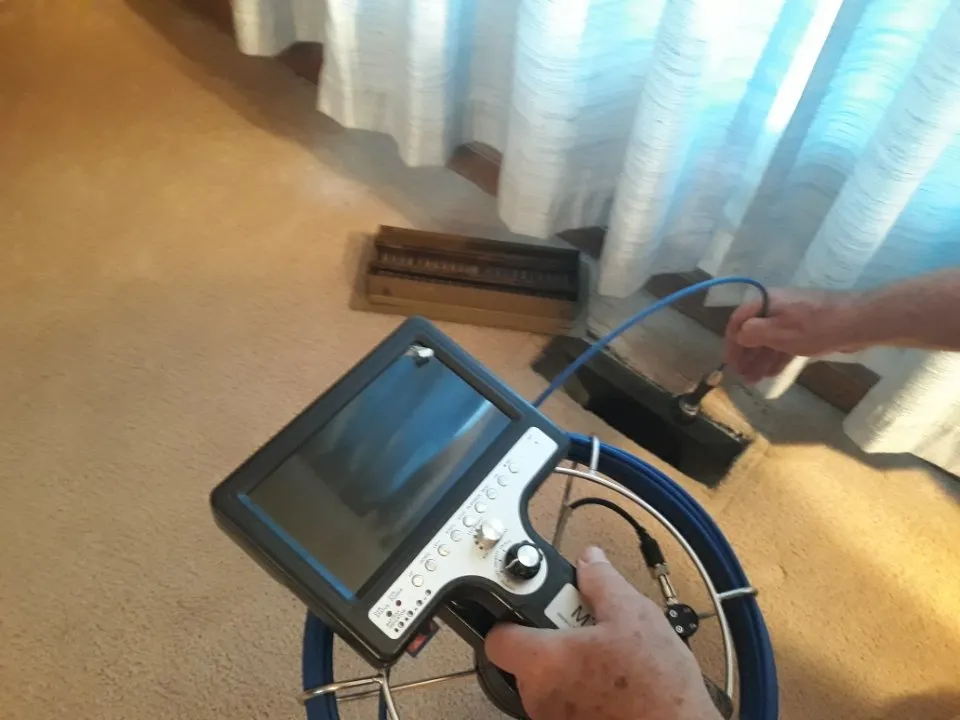
Key Advantages of Duct Camera Inspections for Technicians
The use of cameras in ductwork inspections brings a range of practical benefits to HVAC professionals. Here’s how these tools can transform daily operations:
Improved Accuracy and Problem Detection
One of the most significant duct camera inspection benefits for HVAC contractors is the ability to identify problems that are otherwise invisible. Cameras can reveal:
- Accumulated dust, debris, or microbial growth
- Physical damage such as cracks, holes, or disconnected joints
- Obstructions caused by pests or foreign objects
- Signs of moisture or mold that may impact indoor air quality
This level of detail allows technicians to recommend targeted solutions, minimizing unnecessary work and ensuring that repairs address the actual cause of performance issues.
Time and Cost Savings on Every Job
By providing a direct view inside the ductwork, camera inspections help contractors avoid “blind” troubleshooting. This results in:
- Faster diagnostics and fewer callbacks
- Reduced labor costs, as technicians can go straight to the source of the problem
- Minimized disruption to the property, since fewer access holes or invasive procedures are needed
These efficiencies translate to more jobs completed per day and improved profitability for HVAC businesses.
Building Trust and Transparency with Clients
Customers are more likely to approve recommended repairs when they can see the evidence themselves. Duct camera inspections enable contractors to share images or video footage with clients, making it easier to explain the need for cleaning, sealing, or replacement. This transparency fosters trust and often leads to higher customer satisfaction and repeat business.
Operational and Business Benefits for HVAC Companies
Beyond technical improvements, adopting camera inspections can have a positive impact on business operations and reputation.
Streamlined Documentation and Reporting
Many duct cameras allow for image and video capture, which can be included in service reports or maintenance records. This documentation is valuable for:
- Supporting warranty claims or insurance documentation
- Demonstrating compliance with industry standards
- Providing before-and-after evidence for cleaning or repair services
For a deeper dive into effective inspection methods, see this step-by-step guide to inspecting air ducts.
Competitive Differentiation in the Market
Offering advanced inspection services sets your company apart from competitors who rely on traditional methods. By investing in camera technology, HVAC businesses can market themselves as thorough, transparent, and committed to delivering the highest quality service.
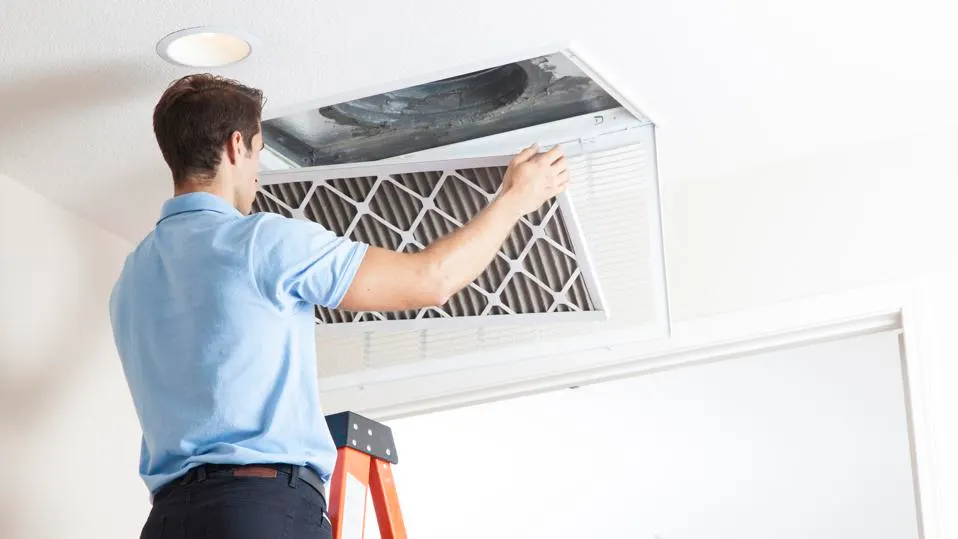
Supporting Best Practices and Ongoing Training
Camera inspections also play a role in technician training and quality assurance. Supervisors can review footage to ensure that standards are met and that all areas of the ductwork have been properly inspected. For guidance on maximizing inspection quality, refer to our duct camera inspection best practices resource.
How to Integrate Camera Inspections into Your Workflow
Adding camera inspections to your service offerings doesn’t have to be complicated. Here are some steps to get started:
- Choose the right equipment: Select a camera system designed for HVAC ductwork, with features like flexible cables, LED lighting, and recording capabilities.
- Train your team: Ensure technicians are comfortable operating the camera and interpreting the images.
- Update your service packages: Clearly communicate the value of camera inspections to your clients, and consider bundling them with cleaning or maintenance services.
- Document and share findings: Use captured images or video to support your recommendations and enhance your reports.
For real-world examples of how contractors have improved their services with this technology, check out our duct camera inspection case studies.
Common Challenges and How to Overcome Them
While the advantages are clear, some contractors may face hurdles when adopting camera inspections:
- Initial investment: Quality camera systems require upfront spending, but the long-term savings and increased job volume often offset the cost.
- Learning curve: Technicians may need time to become proficient with the equipment, but most systems are designed for ease of use.
- Client education: Some customers may not understand the value of camera inspections. Demonstrating the results and sharing visual evidence can help bridge this gap.
Addressing these challenges early ensures a smooth transition and maximizes the return on investment for your business.
Frequently Asked Questions
What types of issues can duct cameras detect?
Duct cameras can reveal blockages, dust buildup, mold, moisture, pest infestations, and physical damage such as cracks or disconnected sections. This allows for more precise repairs and maintenance.
Are camera inspections suitable for all types of ductwork?
Most modern camera systems are flexible and can navigate a variety of duct shapes and sizes, including both residential and commercial systems. However, extremely narrow or complex ductwork may require specialized equipment.
How do camera inspections benefit HVAC businesses financially?
By improving diagnostic accuracy and reducing labor time, camera inspections help contractors complete more jobs efficiently. They also enhance customer trust, leading to more referrals and repeat business.
Conclusion
Embracing duct camera inspection technology gives HVAC contractors a powerful tool for delivering higher quality service, reducing costs, and building lasting client relationships. By integrating these inspections into your workflow, you can set your business apart, improve operational efficiency, and ensure that every job is completed with confidence and transparency.
For more insights or to address common misconceptions, visit our article on duct camera inspection myths explained.