Maintaining optimal air quality and system performance is essential for modern data centers. With the increasing reliance on sensitive equipment, even minor issues in HVAC and ventilation systems can lead to costly downtime or hardware failures. Duct camera inspection for data centers has become a critical practice for facility managers seeking to ensure clean, efficient airflow and early detection of potential hazards.
This article explores how advanced camera technology is used to assess ductwork in these high-stakes environments. We’ll cover the benefits, process, and best practices for implementing visual inspections, along with tips for maximizing uptime and compliance. For those interested in industry-specific applications, you may also want to read about duct camera inspection for restaurants and how it differs from data center requirements.
Why Visual Ductwork Assessments Matter in Data Centers
Data centers depend on precise environmental controls to keep servers and networking equipment running efficiently. Any buildup of dust, debris, or microbial growth inside air ducts can impact airflow, reduce cooling efficiency, and introduce contaminants. These issues not only threaten uptime but may also violate industry standards or insurance requirements.
Routine duct camera inspection for data centers allows facility teams to:
- Identify blockages or obstructions that could restrict airflow
- Spot early signs of corrosion, leaks, or insulation damage
- Detect microbial growth or pest infestations before they spread
- Document duct conditions for compliance and maintenance records
- Plan targeted cleaning or repairs, reducing unnecessary downtime
Unlike traditional visual checks, camera-based inspections provide high-resolution imagery and video, enabling a thorough review of hard-to-reach duct sections without disrupting operations.
How Duct Camera Inspection Works in Critical Facilities
The process begins with a site assessment to determine the layout and access points of the ductwork. Technicians use specialized cameras—often mounted on flexible rods or robotic crawlers—to navigate through the system. These cameras transmit real-time images to a monitor, allowing operators to inspect every corner and junction.
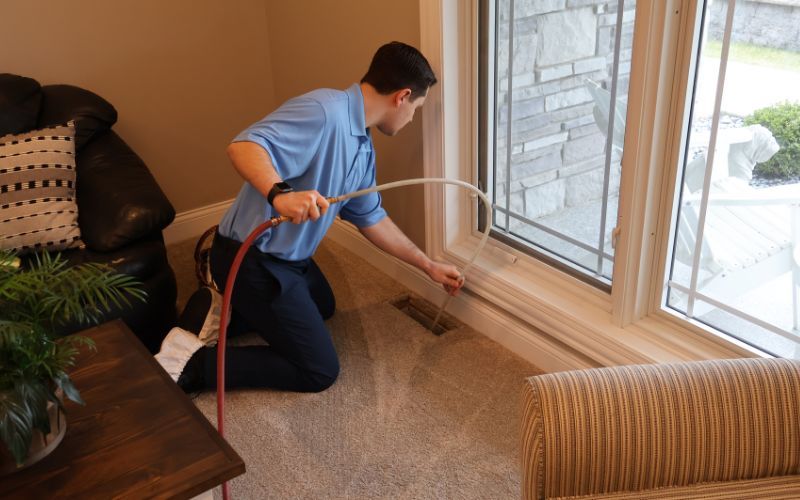
Key steps in the inspection process include:
- Preparation: Reviewing duct blueprints and identifying access panels or entry points.
- Camera Insertion: Carefully inserting the camera system to avoid damaging sensitive components.
- Live Monitoring: Observing video feeds to spot debris, corrosion, or other issues.
- Documentation: Capturing still images or footage for maintenance records and compliance audits.
- Reporting: Providing a detailed report with findings and recommendations for cleaning or repairs.
For facilities that must adhere to specific standards, such as those outlined in duct camera inspection NADCA guidelines, these inspections are often required at regular intervals.
Benefits of Camera-Based Duct Inspections for Data Centers
Implementing regular camera-based reviews offers several advantages over traditional inspection methods:
- Non-invasive: No need to dismantle ductwork or disrupt airflow during checks
- Comprehensive coverage: Cameras can reach bends, junctions, and vertical shafts that are otherwise inaccessible
- Early detection: Identifies minor issues before they escalate into major problems
- Regulatory compliance: Helps meet requirements for cleanliness and air quality in mission-critical environments
- Cost savings: Reduces unnecessary cleaning and allows for targeted maintenance

Many data center managers also use these inspections to support insurance claims or demonstrate due diligence during audits.
Best Practices for Scheduling and Documentation
To maximize the value of duct camera inspection for data centers, it’s important to follow a structured schedule and maintain thorough records. Industry recommendations, such as those found in the duct camera inspection maintenance schedule, suggest periodic checks based on facility size, equipment load, and environmental factors.
Consider these best practices:
- Schedule inspections during low-traffic periods to minimize risk of disruption
- Keep a log of all findings, including images and technician notes
- Review inspection data with HVAC contractors or in-house engineers
- Use inspection results to inform cleaning and filter replacement cycles
- Ensure all documentation is accessible for compliance reviews
For more information on how often to schedule these assessments, see the guidance on how often to perform duct camera inspection.
Compliance, Safety, and Industry Standards
Data centers are often subject to strict regulatory standards regarding air quality and fire safety. Camera-based duct reviews help facilities comply with codes and industry best practices, such as those set by NADCA and local authorities. In some cases, these inspections are required for insurance purposes or as part of regular facility audits.
For a deeper dive into regulatory requirements, you can reference the article on duct camera inspection for code compliance.
Additionally, for a broader perspective on air duct checks, the home guide to air duct inspection provides useful background on inspection techniques and their importance in various settings.
Frequently Asked Questions
How often should data centers schedule duct camera inspections?
The frequency depends on several factors, including the size of the facility, equipment density, and environmental conditions. Most experts recommend at least annual inspections, with more frequent checks for high-traffic or high-dust environments. Following a duct camera inspection maintenance schedule ensures ongoing compliance and optimal system performance.
What issues can be detected during a camera-based duct assessment?
These inspections can reveal blockages, dust buildup, microbial growth, corrosion, leaks, insulation damage, and even pest infestations. Early detection allows for targeted cleaning and repairs, reducing the risk of downtime or equipment failure.
Are camera inspections disruptive to data center operations?
No, camera-based assessments are designed to be non-invasive. Technicians can inspect ductwork without shutting down HVAC systems or interrupting data center operations. This makes them ideal for mission-critical environments where uptime is paramount.