Keeping air ducts clean and well-maintained is essential for healthy indoor air quality and efficient HVAC system performance. One of the most effective ways to monitor the condition of ductwork is through regular camera inspections. Establishing a duct camera inspection maintenance schedule helps property owners and facility managers detect issues early, prevent costly repairs, and ensure compliance with safety standards.
In this article, we’ll break down how to set up a practical maintenance routine for duct inspections using camera technology. You’ll learn about recommended intervals, factors that influence scheduling, and best practices for maintaining both residential and commercial systems. For those interested in the technical side, it’s also helpful to review duct camera inspection equipment explained to understand the tools involved.
Why a Regular Duct Camera Inspection Routine Matters
A well-planned inspection schedule using duct cameras provides several key benefits. First, it allows for the early detection of dust buildup, mold, pest infestations, and physical damage inside the ductwork. Identifying these issues before they escalate can save significant money on repairs and help maintain optimal air quality.
Additionally, routine inspections support compliance with local building codes and industry guidelines. Many commercial properties are required to maintain records of regular duct maintenance, and camera inspections provide clear visual documentation. For a deeper dive into regulatory aspects, see this overview of duct camera inspection building codes.
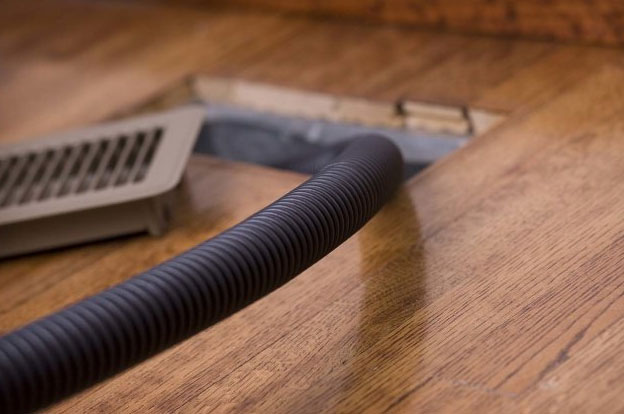
Recommended Intervals for Duct Camera Inspection Maintenance
The ideal frequency for duct camera checks depends on several factors, including the type of building, usage patterns, and environmental conditions. Here are some general guidelines for establishing a duct camera inspection maintenance schedule:
- Residential properties: Most homes benefit from a camera inspection every 2 to 3 years. However, if there are pets, smokers, or residents with allergies, annual checks are advisable.
- Commercial buildings: Offices, retail spaces, and multi-unit complexes should schedule inspections at least once a year. Facilities with high occupancy or specialized equipment may require more frequent assessments.
- Industrial environments: Manufacturing plants, warehouses, and facilities with heavy dust or particulate generation often need quarterly or biannual inspections.
- Post-renovation or construction: Always perform a camera inspection after major building work to check for debris, blockages, or accidental damage.
These intervals serve as a starting point. Adjustments should be made based on inspection findings, HVAC usage, and any changes in building occupancy or activity.
Key Factors That Influence Inspection Scheduling
Not all buildings require the same maintenance routine. Several variables can affect how often you should schedule duct camera inspections:
- Location and climate: Properties in dusty or humid regions may need more frequent checks due to increased risk of buildup or mold.
- HVAC system age and type: Older systems or those with complex duct layouts are more prone to issues and benefit from closer monitoring.
- Occupant health needs: Buildings housing individuals with allergies, asthma, or compromised immune systems should prioritize regular inspections to maintain clean air.
- Previous inspection results: If past camera inspections revealed significant contamination or damage, shorten the interval until the system stabilizes.
For more on the safety aspects of these inspections, review the duct camera inspection safety precautions to ensure all procedures are performed correctly.
Best Practices for Maintaining Your Duct Camera Inspection Routine
To get the most out of your duct camera inspection maintenance schedule, follow these best practices:
- Document every inspection: Keep detailed records, including dates, findings, and any corrective actions taken. This helps track trends and supports compliance.
- Use high-quality equipment: Reliable camera systems provide clearer images and better detection of hidden issues. For more on available technologies, see this overview of robotic duct camera inspection systems.
- Train your team: Ensure that staff or contractors performing inspections are trained in both camera operation and safety protocols.
- Follow up on findings: If a camera inspection reveals contamination, leaks, or damage, schedule cleaning or repairs promptly to prevent further problems.
- Review and adjust schedule: Use inspection results to refine your maintenance intervals over time, focusing on areas that show recurring issues.
For a technical explanation of how inspection footage can be recorded and used for documentation, the duct camera inspection recording capabilities guide provides practical insights.
How Camera Inspections Improve Duct Maintenance Outcomes
Integrating camera technology into your duct maintenance plan offers several advantages:
- Visual confirmation: Camera images provide clear evidence of duct conditions, helping to justify cleaning or repairs.
- Targeted cleaning: Inspections identify specific problem areas, allowing for more efficient and effective cleaning.
- Reduced downtime: Early detection of issues minimizes the risk of unexpected HVAC failures and costly emergency repairs.
- Improved air quality: Regular monitoring helps keep ducts free from contaminants, supporting healthier indoor environments.
For a comprehensive look at the process and benefits, this professional guide to duct camera inspections offers additional details and industry recommendations.
FAQ: Duct Camera Inspection Maintenance Schedules
How often should a home schedule duct camera inspections?
Most residential properties benefit from a camera inspection every two to three years. However, if there are pets, smokers, or allergy sufferers in the home, annual checks are recommended to maintain optimal air quality.
What signs indicate it’s time for a duct camera inspection?
Common indicators include increased dust around vents, unexplained odors, visible mold growth, or a noticeable drop in HVAC efficiency. Any recent renovations or pest activity are also reasons to schedule an inspection sooner.
Can camera inspections detect all types of duct problems?
Camera systems are highly effective at identifying blockages, buildup, leaks, and physical damage inside ducts. However, some issues, such as minor leaks or insulation problems, may require additional diagnostic tools for confirmation.
Are there regulations that require regular duct inspections?
Many commercial and industrial buildings must comply with local building codes and industry standards that mandate regular duct maintenance and documentation. Camera inspections are a reliable way to meet these requirements and provide visual records.
What should be included in a duct camera inspection report?
A thorough report should document the date of inspection, areas examined, findings (such as debris, mold, or damage), and any recommended actions. Including images or video stills from the inspection adds credibility and clarity.