Many homeowners wonder what to expect when scheduling a professional service to clean their air ducts. Understanding the process can help you prepare your home, set realistic expectations, and ensure you get the most value from the visit. This article offers a detailed look at the typical steps, tools, and outcomes involved in a standard duct cleaning appointment, so you can make informed decisions about your indoor air quality and HVAC system maintenance.
If you’re curious about how dust and debris accumulate in your ventilation system over time, you may find it helpful to read how dust accumulates in ventilation systems for additional background.
Why Schedule a Duct Cleaning Service?
Over time, dust, pet dander, pollen, and other contaminants can build up inside your air ducts. This buildup can reduce the efficiency of your HVAC system, contribute to poor indoor air quality, and even affect your health—especially for those with allergies or respiratory issues. Professional duct cleaning is designed to remove these contaminants using specialized equipment and techniques, restoring optimal airflow and cleanliness.
Initial Assessment and Preparation
When technicians arrive for a ductwork cleaning appointment, they typically begin with a thorough inspection. This assessment helps them identify problem areas, check for visible mold, excessive dust, or signs of pests, and determine the best cleaning approach. The team may use cameras or mirrors to look inside the ducts and will also inspect your HVAC system’s components, such as the blower motor and coils.
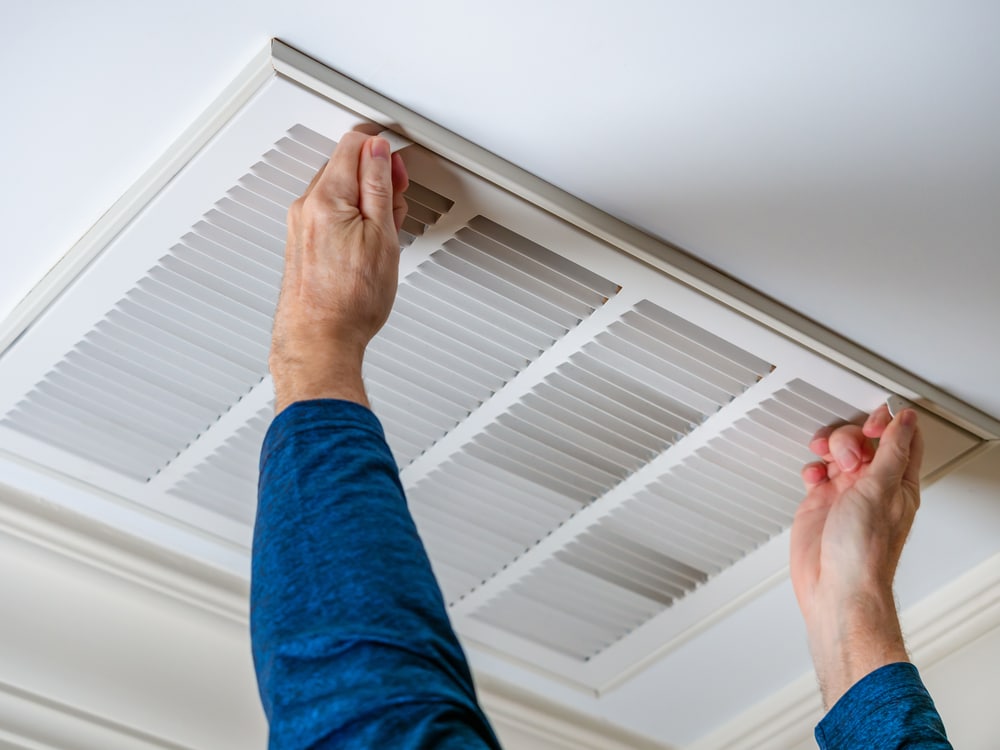
Before starting, technicians will protect your home by laying down drop cloths, covering vents and registers, and moving furniture as needed. This preparation minimizes mess and ensures that dust and debris are contained during the cleaning process.
Step-by-Step Process: What to Expect During the Cleaning
The actual cleaning involves several key steps, each designed to thoroughly remove dust and contaminants from your ductwork and HVAC system:
- System Setup and Negative Pressure: The technicians will connect a powerful vacuum system—often equipped with HEPA filtration—to your ductwork. This creates negative pressure, which helps pull debris out of the ducts without spreading it into your home.
- Agitation and Dislodging Debris: Specialized tools such as rotating brushes, compressed air whips, or high-powered air nozzles are inserted into the ducts. These tools loosen dust, dirt, and other particles from the duct walls so they can be effectively vacuumed away.
- Cleaning Registers and Grilles: All supply and return registers are removed, cleaned, and sanitized. This ensures that no dust is left at the entry or exit points of your system.
- Addressing HVAC Components: In many cases, the cleaning will also include the furnace, air handler, coils, and blower motor. These components can harbor dust and mold, so cleaning them is essential for system efficiency and air quality.
- Final Inspection and System Testing: After cleaning, the team will inspect the ducts to ensure all debris has been removed. They’ll reassemble any components, replace filters if needed, and run the HVAC system to check for proper operation.
Tools and Equipment Used by Professionals
A professional duct cleaning service relies on advanced equipment to deliver thorough results. The most common tools include:
- High-powered vacuums with HEPA filters to capture fine particles
- Rotary brushes and air whips to dislodge stubborn debris
- Inspection cameras for before-and-after documentation
- Sanitizing agents for treating mold or bacteria (if needed)
If you’re interested in learning about the tools needed for DIY duct cleaning, there are resources available for homeowners who want to tackle simple maintenance themselves.
How Long Does a Typical Visit Take?
The duration of a professional cleaning depends on the size of your home, the complexity of your duct system, and the level of contamination. Most residential jobs take between two and four hours. Larger homes or systems with significant buildup may require more time. The technicians should be able to provide an estimated timeframe during their initial assessment.
Benefits of Hiring Trained Technicians
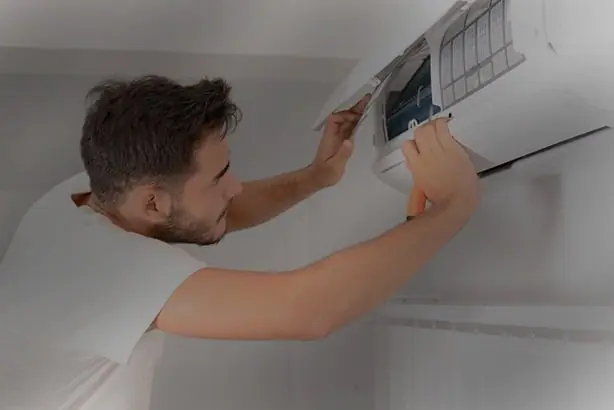
Choosing a reputable provider for duct cleaning offers several advantages:
- Thorough removal of dust and allergens that routine cleaning can’t reach
- Improved HVAC efficiency and potentially lower energy bills
- Reduced risk of mold growth and pest infestations
- Peace of mind knowing the job is done safely and correctly
For those considering a do-it-yourself approach, it’s important to understand the limitations. While you can perform basic maintenance, a professional visit uses commercial-grade equipment and techniques that go far beyond what’s possible with household tools. If you want to compare methods, you can check out this step-by-step guide to cleaning air ducts yourself for more details.
Aftercare and Maintenance Tips
Once your ductwork has been professionally cleaned, there are steps you can take to keep it in good condition:
- Change HVAC filters regularly according to manufacturer recommendations
- Keep supply and return vents clear of obstructions
- Schedule routine inspections to catch issues early
- Consider using a HEPA air scrubber to further improve indoor air quality
For guidance on how often to schedule future cleanings, see this resource on how often should air ducts be cleaned to help you plan ahead.
Frequently Asked Questions
How do I know if my ducts need professional cleaning?
Signs that your ductwork may need attention include visible dust buildup around vents, musty odors when the HVAC runs, unexplained allergy symptoms, or evidence of mold or pests inside the system. If you’re unsure, a reputable technician can perform an inspection and provide recommendations.
Will duct cleaning reduce my energy bills?
In many cases, removing dust and debris from your ducts can improve airflow and allow your HVAC system to operate more efficiently. This can lead to lower energy consumption and reduced utility costs, especially if your system was previously obstructed.
Is there a difference between duct cleaning and HVAC cleaning?
Yes. While duct cleaning focuses on the air ducts themselves, a full HVAC cleaning may include additional components like the furnace, coils, and blower motor. For a detailed comparison, see this article on the difference between air duct cleaning and HVAC cleaning.