Rotary brushes are essential tools in duct cleaning, industrial maintenance, and various production environments. However, excessive vibration can quickly turn a routine job into a frustrating experience, impacting cleaning quality, causing equipment wear, and even posing safety risks. Understanding the causes and solutions for rotary brush vibration issues is crucial for anyone who relies on these systems for efficient operation.
This article provides a practical, step-by-step approach to diagnosing and resolving vibration problems in rotary brush systems. You’ll learn how to identify root causes, apply effective fixes, and prevent future issues. For those working in production settings, you may also find value in exploring rotary brush solutions for production environments for broader system optimization.
Understanding Vibration in Rotary Brush Systems
Vibration in rotary brush assemblies can stem from a variety of factors, including mechanical imbalance, worn components, improper installation, or even the type of material being cleaned. Recognizing the symptoms and underlying causes is the first step toward a solution.
- Imbalance: Uneven brush bristles, bent shafts, or debris caught in the brush can throw the system off balance.
- Component Wear: Bearings, couplings, and drive motors degrade over time, increasing vibration levels.
- Incorrect Assembly: Misaligned or loosely fitted parts can introduce unwanted movement.
- Material Resistance: Dense or sticky debris in ducts or surfaces can cause the brush to vibrate as it encounters resistance.
Addressing these problems quickly is key to maintaining both cleaning effectiveness and equipment longevity.
Common Causes of Rotary Brush Vibration Problems
To effectively resolve vibration, it’s important to pinpoint the specific cause. Here are the most frequent culprits:
- Unbalanced Brushes: Brushes that have lost bristles or are unevenly worn will spin unevenly, producing noticeable shaking.
- Bent or Damaged Shafts: Even a slight bend in the drive shaft can introduce significant vibration at high speeds.
- Loose Connections: Couplings, adapters, or extension rods that are not securely fastened can wobble during operation.
- Worn Bearings or Bushings: Bearings that are dry, dirty, or worn out will not support smooth rotation, leading to vibration and noise.
- Improper Motor Speed: Running the brush at speeds higher than recommended can amplify minor imbalances.

Step-by-Step Solutions for Excessive Vibration
Once you’ve identified the likely source of vibration, use these steps to restore smooth operation:
1. Inspect and Balance the Brush Head
Remove the brush and check for missing, bent, or excessively worn bristles. Replace the brush if it appears uneven. For minor imbalances, you may be able to trim bristles to restore symmetry, but replacement is usually more effective for severe wear.
2. Check Shaft Alignment and Condition
Lay the shaft on a flat surface and roll it gently. If it wobbles or does not roll smoothly, it’s likely bent and should be replaced. Never attempt to straighten a shaft, as this can weaken the metal and cause further problems.
3. Tighten All Connections
Ensure that all couplings, adapters, and extension rods are securely fastened. Even a small amount of play can create significant vibration at operational speeds.
4. Lubricate or Replace Bearings
Inspect bearings or bushings for signs of wear, dryness, or contamination. Lubricate as recommended by the manufacturer, or replace if they feel rough or loose.
5. Adjust Motor Speed
Refer to your system’s manual for the recommended operating speed. Running the brush too fast can amplify minor imbalances. Use variable speed controls if available to find the smoothest setting for your application.
Preventing Future Rotary Brush Vibration Issues
Proactive maintenance and proper operation are the best ways to avoid recurring vibration problems. Consider these best practices:
- Inspect brushes, shafts, and connections before each use.
- Replace worn or damaged components promptly.
- Store brushes and shafts in a way that prevents bending or bristle deformation.
- Follow manufacturer guidelines for assembly and speed settings.
- Clean debris from brushes and moving parts after each job.
For those interested in advanced system upgrades, reviewing the latest rotary brush system future trends can help you select equipment designed to minimize vibration and maximize efficiency.
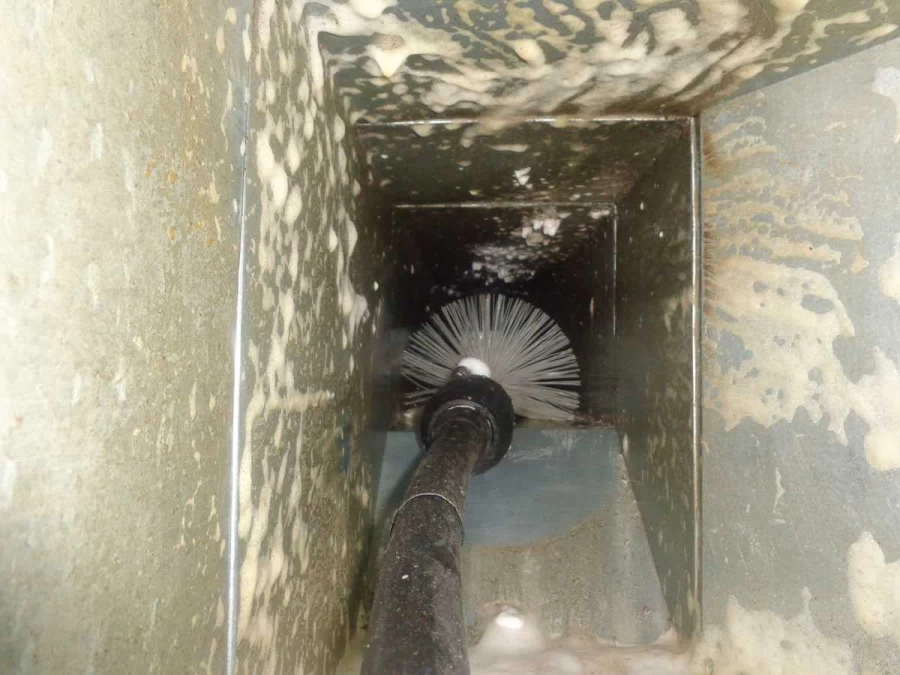
Choosing the Right Rotary Brush System for Minimal Vibration
Not all rotary brush systems are created equal. When selecting new equipment, prioritize models with:
- Balanced, replaceable brush heads
- High-quality, straight shafts
- Secure, easy-to-tighten connections
- Variable speed controls
- Accessible bearings for easy maintenance
Consulting a comprehensive guide to rotating brush technologies can help you compare features and select the best system for your needs. For those seeking to optimize cleaning standards, the rotary brush cleaning quality standards guide offers further insights.
When to Call a Professional
While many vibration problems can be resolved with basic troubleshooting, some situations require expert attention. If you notice persistent vibration after replacing worn parts, or if your system exhibits unusual noises, excessive heat, or visible damage, consult a qualified technician. Professional service can prevent costly breakdowns and ensure safe operation.
FAQ: Rotary Brush Vibration Troubleshooting
What are the most common signs of rotary brush vibration problems?
Typical signs include shaking or rattling during operation, uneven cleaning results, loud noises, and visible movement in the brush or shaft. If left unchecked, these symptoms can lead to premature wear or equipment failure.
Can I fix vibration by simply replacing the brush?
Sometimes, yes. If the brush is unevenly worn or missing bristles, replacement often resolves the issue. However, if vibration persists, inspect the shaft, bearings, and all connections for additional problems.
How often should I inspect my rotary brush system for vibration risks?
It’s best to perform a quick inspection before each use. Regular maintenance, including cleaning and lubrication, can help prevent most vibration-related issues and extend the lifespan of your equipment.
Are there industry standards for vibration levels in rotary brush systems?
Yes, many manufacturers and industry organizations provide guidelines for acceptable vibration levels. Following these standards and using quality components helps ensure safe and effective operation. For more details, refer to the rotary brush cleaning quality standards guide.
Conclusion
Addressing rotary brush vibration issues quickly is essential for maintaining cleaning performance, equipment reliability, and operator safety. By understanding the causes, applying targeted fixes, and following preventive maintenance practices, you can keep your rotary brush system running smoothly. For those looking to upgrade or optimize their setup, exploring the latest rotary brush hybrid cleaning systems and motor selection tips can further reduce vibration and improve results.