Understanding rotary brush system regulations is essential for businesses and professionals involved in air duct cleaning, industrial maintenance, and facility management. These systems, widely used for cleaning HVAC ducts, dryer vents, and industrial piping, are subject to a range of standards and legal requirements. Navigating these rules ensures not only operational safety and efficiency but also helps avoid costly penalties and reputational risks.
This guide explores the main compliance factors, industry standards, and best practices for operating rotary brush systems. Whether you manage a cleaning company, oversee facility maintenance, or are considering new equipment, staying informed about regulatory expectations is key to maintaining a safe and lawful operation.
For those interested in the latest advancements, rotary brush cleaning technology trends offer insights into how innovation is shaping compliance and efficiency in the industry.
Why Regulatory Compliance Matters for Rotary Brush Systems
Compliance with rotary brush system regulations is not just a box-ticking exercise. It directly impacts workplace safety, equipment longevity, and the quality of cleaning results. Regulatory bodies set these standards to minimize hazards such as fire, electrical shock, and airborne contaminants. Non-compliance can lead to legal action, insurance issues, and even business closure in severe cases.
Key reasons to prioritize compliance include:
- Worker Safety: Proper use and maintenance reduce the risk of injury from moving parts, electrical faults, and exposure to dust or mold.
- Client Trust: Demonstrating adherence to standards reassures customers that your services are safe and reliable.
- Operational Efficiency: Following best practices extends equipment life and ensures consistent cleaning performance.
- Legal Protection: Meeting regulatory requirements shields your business from fines, lawsuits, and regulatory shutdowns.
Key Standards and Guidelines
Several organizations and government agencies influence the regulatory landscape for rotary brush systems. Understanding these standards helps ensure your operations remain compliant:
- OSHA (Occupational Safety and Health Administration): OSHA sets workplace safety standards, including those related to machinery operation, electrical safety, and respiratory protection.
- NADCA (National Air Duct Cleaners Association): NADCA provides guidelines for HVAC system cleaning, including recommended practices for rotary brush equipment.
- NFPA (National Fire Protection Association): The NFPA 90A and 90B standards address fire safety in HVAC systems, including duct cleaning protocols.
- EPA (Environmental Protection Agency): The EPA offers guidance on indoor air quality and the safe removal of contaminants.
For a deeper dive into industry-specific advice, consider reviewing the rotary brush system industry guide, which covers technical recommendations and compliance checklists.
Equipment Requirements and Certification
To meet rotary brush system regulations, equipment must be properly rated and maintained. Here are the most important factors:
- Electrical Safety: Machines should have up-to-date electrical certifications (such as UL or CE marks) and be regularly inspected for cord damage, grounding, and proper operation.
- Brush Material: Use brushes made from approved materials that do not shed fibers or create sparks, especially in sensitive environments.
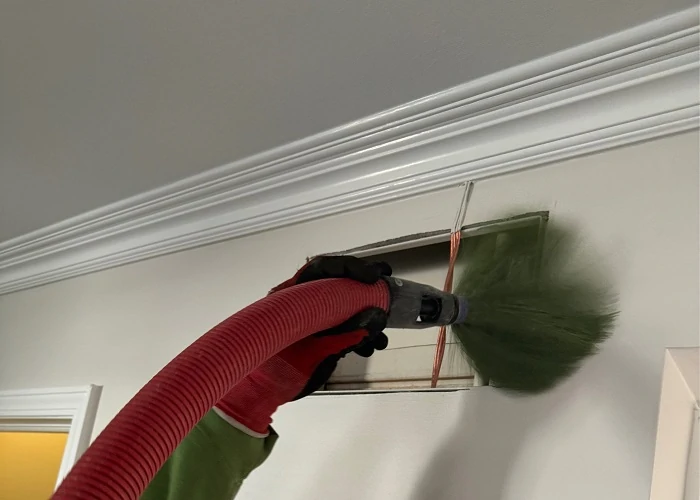
- Vacuum Integration: Many standards require that rotary brush systems be paired with HEPA-filtered vacuums to capture dislodged debris and prevent recontamination.
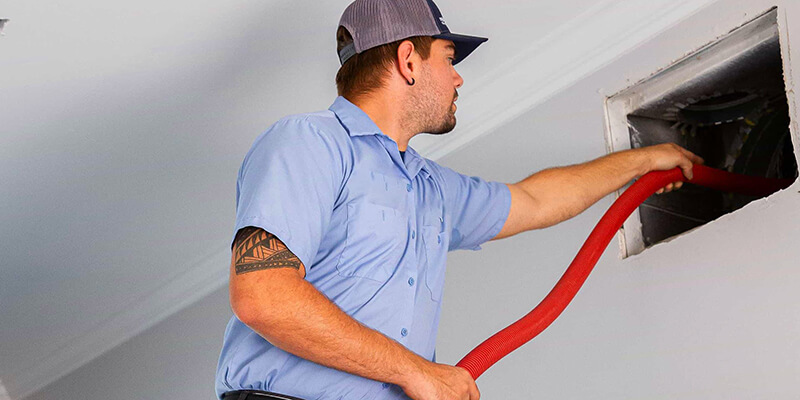
- Operator Training: Staff must be trained in safe operation, emergency procedures, and equipment maintenance.
Common Compliance Challenges
Even experienced operators can face hurdles when trying to stay compliant. Some of the most frequent issues include:
- Improper Documentation: Failing to keep records of equipment inspections, maintenance, and operator training can lead to violations during audits.
- Using Non-Compliant Equipment: Older or modified machines may lack required safety features or certifications.
- Inadequate Dust Control: Not using proper vacuum systems can result in airborne contaminants and potential health risks.
- Neglecting PPE: Operators sometimes skip personal protective equipment (PPE), increasing the risk of injury or exposure.
To avoid these pitfalls, regular training and scheduled equipment checks are essential. For more advanced tips, see the rotary brush system expert tips resource.
Best Practices for Meeting Rotary Brush System Regulations
Adopting a proactive approach to compliance can make a significant difference. Here are some recommended best practices:
- Stay Informed: Subscribe to updates from regulatory bodies and industry associations to keep up with changing standards.
- Implement Checklists: Use daily and weekly checklists for equipment inspection, cleaning, and operator sign-offs.
- Maintain Documentation: Keep digital or physical records of all maintenance, repairs, and staff certifications.
- Schedule Regular Training: Hold refresher courses for staff to reinforce safety protocols and regulatory requirements.
- Audit Your Operations: Conduct internal audits or invite third-party inspections to identify and correct compliance gaps.
For those managing industrial environments, rotary brush solutions for industrial facilities can provide tailored guidance on large-scale compliance.
Maintenance and Inspection Protocols
Routine maintenance is a cornerstone of regulatory compliance. Well-maintained rotary brush systems are less likely to malfunction and more likely to pass inspections. Key steps include:
- Daily Cleaning: Remove debris from brushes and inspect for wear or damage.
- Weekly Checks: Test electrical components, inspect hoses and connections, and verify vacuum performance.
- Monthly Reviews: Review maintenance logs, replace worn parts, and update training as needed.
For additional maintenance guidance, the maintenance tips for brush cutters article provides practical advice that applies to rotary brush systems as well.
Preparing for Regulatory Audits
Audits can be scheduled or surprise visits from regulatory agencies. Being prepared is the best way to ensure a smooth process:
- Organize Documentation: Have all inspection, maintenance, and training records readily accessible.
- Demonstrate Procedures: Be ready to show how equipment is operated, maintained, and cleaned.
- Address Issues Promptly: If deficiencies are found, correct them immediately and document the actions taken.
For a look at how technology is shaping future compliance, explore rotary brush system future trends and see how automation and smart monitoring are influencing regulatory expectations.
FAQ
What are the most important rotary brush system regulations for small businesses?
Small businesses should focus on OSHA safety standards, ensure all equipment is properly certified, and maintain thorough documentation of training and maintenance. Using HEPA-filtered vacuums and approved brush materials is also essential.
How often should rotary brush systems be inspected for compliance?
Inspections should be performed daily for basic safety checks, weekly for more detailed reviews, and monthly for comprehensive maintenance. Documentation of each inspection is critical for passing regulatory audits.
What happens if a company fails to comply with rotary brush system regulations?
Non-compliance can result in fines, legal action, or business closure. It can also lead to increased risk of workplace accidents and damage to reputation. Staying proactive with compliance helps avoid these outcomes.
Conclusion
Staying up to date with rotary brush system regulations is crucial for safe, effective, and lawful operation. By understanding the relevant standards, maintaining equipment, and training staff, businesses can ensure compliance and deliver high-quality results. Regular reviews, proper documentation, and a commitment to best practices will help any organization navigate the regulatory landscape with confidence.