Manufacturers across a range of industries rely on efficient cleaning and surface preparation to maintain productivity, ensure product quality, and extend the lifespan of equipment. Rotary brush solutions for manufacturers have become a cornerstone technology for these tasks, offering versatility, automation potential, and consistent results. Whether used for dust removal, deburring, polishing, or surface finishing, these systems are engineered to meet the evolving demands of modern production environments.
As manufacturing processes become more automated and quality standards rise, the need for advanced cleaning and finishing tools increases. Rotary brush systems deliver high performance, adaptability, and cost-effectiveness, making them a preferred choice for facilities aiming to optimize their operations. In this article, we’ll explore the latest advancements, application areas, and selection criteria for rotary brush solutions, providing manufacturers with practical insights for implementation.
For those interested in a deeper dive into the latest rotary brush cleaning technology trends, there are resources available that discuss emerging innovations and best practices for industrial applications.
Key Benefits of Rotary Brush Systems in Manufacturing
Integrating rotary brush technology into manufacturing lines brings several advantages. These systems are designed to automate repetitive cleaning and finishing tasks, reducing manual labor and improving consistency. Some of the primary benefits include:
- Enhanced Efficiency: Automated rotary brush machines can process large volumes of parts or surfaces quickly and uniformly, minimizing downtime.
- Consistent Quality: Brushes maintain steady pressure and movement, ensuring even cleaning, deburring, or polishing across all items.
- Versatility: Rotary brushes can be customized with different bristle materials, diameters, and configurations to suit specific applications, from delicate electronics to heavy-duty metalwork.
- Reduced Wear and Tear: By keeping machinery and components free from debris, these solutions help extend equipment life and reduce maintenance costs.
- Improved Safety: Automated cleaning reduces the need for manual intervention in hazardous environments, lowering the risk of workplace injuries.
Applications of Rotary Brush Solutions for Industrial Production
The use of rotary brush solutions for manufacturers spans a wide array of industries and processes. Some of the most common applications include:
- Surface Preparation: Removing dust, scale, or oxidation before painting, coating, or bonding.
- Deburring: Eliminating sharp edges or burrs from machined or stamped parts.
- Polishing and Finishing: Achieving desired surface textures or gloss levels on metals, plastics, or composites.
- Cleaning Conveyors and Production Lines: Keeping belts, rollers, and other moving parts free from buildup to maintain smooth operation.
- Textile and Paper Manufacturing: Removing lint, fibers, or dust from webs and rolls.
For more specialized environments, such as large-scale industrial facilities, consider reviewing rotary brush solutions for industrial facilities to understand how these systems are tailored for heavy-duty applications.

Choosing the Right Rotary Brush for Your Manufacturing Needs
Selecting the most suitable rotary brush system depends on several factors, including the type of material being processed, the desired finish, and the operational environment. Here are some key considerations:
- Bristle Material: Options include nylon, steel, brass, polypropylene, and natural fibers. The choice affects abrasion, chemical resistance, and suitability for specific surfaces.
- Brush Diameter and Length: Larger brushes cover more area but may require more powerful motors. Smaller brushes are ideal for precision work or confined spaces.
- Mounting and Drive Systems: Consider whether the brush will be used with handheld tools, bench-mounted machines, or integrated into automated lines.
- Speed and Torque: The optimal rotation speed and torque depend on the application—higher speeds for polishing, lower speeds for delicate cleaning.
- Maintenance and Replacement: Look for systems with easy brush changeover and minimal downtime to keep production running smoothly.
For those working in production environments, you may find additional guidance in resources like rotary brush solutions for production environments, which detail selection and integration strategies.
Latest Innovations in Rotary Brush Technology
The field of rotary brush solutions for manufacturers is constantly evolving, with new technologies enhancing performance and adaptability. Recent advancements include:
- Smart Sensors: Integration of sensors for real-time monitoring of brush wear, pressure, and cleaning effectiveness, enabling predictive maintenance and reducing unplanned downtime.
- Modular Designs: Systems that allow quick swapping of brush heads or bristle types to accommodate different tasks or materials.
- Eco-Friendly Materials: The use of recyclable or biodegradable bristles and energy-efficient motors to support sustainability goals.
- Automated Adjustment: Machines that automatically adjust brush pressure and speed based on surface feedback, ensuring optimal results with minimal manual intervention.
To stay ahead of the curve, manufacturers can explore rotary brush system future trends for insights into upcoming developments and how they may impact industrial cleaning and finishing.
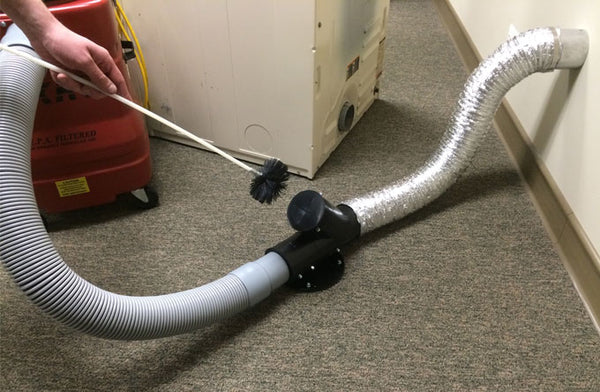
Maintenance and Best Practices for Rotary Brush Systems
Proper maintenance is essential to maximize the lifespan and effectiveness of rotary brush equipment. Here are some best practices for manufacturers:
- Regular Inspection: Check brushes for wear, deformation, or missing bristles. Replace as needed to maintain performance.
- Cleaning: Remove accumulated debris from brushes and housings to prevent clogging and uneven operation.
- Lubrication: Keep moving parts well-lubricated according to manufacturer recommendations to reduce friction and wear.
- Calibration: Periodically verify that brush pressure and speed settings are within optimal ranges for your application.
- Documentation: Maintain records of maintenance activities and brush replacements to support predictive maintenance strategies.
For additional guidance, manufacturers can consult resources like how and when to clean wheeled brushcutters, which provide practical tips for keeping brush-based systems in top condition.
Those seeking expert advice can also benefit from rotary brush system expert tips, which cover troubleshooting, optimization, and advanced maintenance techniques.
Frequently Asked Questions
What are the main types of rotary brushes used in manufacturing?
Rotary brushes come in a variety of types, including wheel brushes, cup brushes, and cylinder brushes. The selection depends on the application—wheel brushes are ideal for edge deburring, cup brushes for surface cleaning, and cylinder brushes for conveyor or web cleaning.
How do I determine the right bristle material for my application?
The choice of bristle material is based on the surface being treated and the desired outcome. For example, nylon is gentle and chemical-resistant, making it suitable for delicate surfaces, while steel or brass bristles are used for aggressive cleaning or deburring of metals.
Can rotary brush systems be integrated into automated production lines?
Yes, many rotary brush solutions are designed for seamless integration with automated manufacturing lines. They can be configured with sensors, programmable controls, and modular components to fit specific production requirements and enhance overall efficiency.
Conclusion
Rotary brush solutions for manufacturers offer a powerful combination of efficiency, flexibility, and reliability for a wide range of industrial cleaning and finishing tasks. By understanding the latest technologies, application areas, and maintenance best practices, manufacturers can select and implement the right systems to improve product quality, reduce downtime, and support long-term operational success.