The evolution of industrial automation has brought about significant advancements in how facilities manage cleaning, maintenance, and environmental monitoring. One of the most promising developments is rotary brush sensor integration within smart plant environments. This approach combines the mechanical efficiency of rotary brush systems with the precision of modern sensors, enabling real-time data collection, process optimization, and predictive maintenance.
By embedding sensors directly into rotary brush assemblies, smart plants can monitor cleaning effectiveness, detect wear, and automate adjustments for optimal performance. This not only improves operational efficiency but also extends equipment lifespan and reduces downtime. As industries seek to modernize, understanding the benefits and practicalities of integrating sensors with rotary brush systems becomes essential.
For those interested in the broader context of cleaning automation, exploring rotary brush cleaning technology trends provides valuable insights into industry shifts and future possibilities.
How Sensor-Enabled Rotary Brushes Transform Industrial Cleaning
Traditional rotary brush systems have long been used for duct cleaning, floor scrubbing, and surface preparation. The integration of sensors elevates these systems to a new level of intelligence. With embedded sensors, rotary brushes can now:
- Monitor brush rotation speed and torque in real time
- Detect blockages, excessive debris, or abnormal resistance
- Track brush wear and signal when replacement is needed
- Measure surface cleanliness and adjust cleaning cycles automatically
This data-driven approach allows for adaptive cleaning routines, reducing manual oversight and ensuring consistent results. Facilities can also use the collected data to optimize maintenance schedules, minimizing unexpected breakdowns and maximizing uptime.
Key Components of Rotary Brush Sensor Integration
Successful implementation of sensor-equipped rotary brush systems requires careful selection and integration of several core components:
- Brush Assembly: The mechanical brush, designed for the specific cleaning application, must accommodate sensor placement without compromising performance.
- Sensors: Common types include torque sensors, vibration sensors, proximity sensors, and optical cleanliness detectors. These provide continuous feedback on operational status.
- Control Unit: A programmable controller or PLC receives sensor data, interprets it, and issues commands to adjust brush speed, pressure, or cleaning cycles.
- Connectivity: Integration with plant-wide networks (wired or wireless) enables remote monitoring and data analysis, supporting predictive maintenance and process optimization.
The seamless combination of these elements is the foundation of a smart cleaning system capable of self-monitoring and adaptive operation.

Benefits of Smart Rotary Brush Systems in Plant Operations
Integrating sensors with rotary brush systems brings a range of advantages to industrial environments:
- Increased Efficiency: Automated adjustments based on sensor feedback ensure thorough cleaning with minimal wasted effort.
- Reduced Downtime: Predictive maintenance alerts allow for scheduled brush replacement and servicing, preventing unexpected failures.
- Consistent Quality: Real-time monitoring maintains cleaning standards, even as conditions change.
- Data-Driven Insights: Historical data enables process optimization and continuous improvement initiatives.
- Resource Savings: Optimized cleaning cycles reduce energy, water, and chemical consumption, supporting sustainability goals.
These benefits are particularly valuable in sectors such as food processing, pharmaceuticals, and HVAC maintenance, where cleanliness and operational reliability are critical.
Implementation Challenges and Solutions
While the advantages are clear, implementing sensor-integrated rotary brush systems does present some challenges:
- Sensor Durability: Brushes operate in harsh environments, exposing sensors to dust, moisture, and vibration. Selecting industrial-grade sensors and protective housings is essential.
- System Compatibility: Ensuring sensors and controllers are compatible with existing plant automation systems may require custom interfaces or software integration.
- Data Management: Collecting and analyzing large volumes of sensor data demands robust IT infrastructure and clear data governance policies.
- Training: Staff must be trained to interpret sensor data and respond appropriately to alerts or system adjustments.
Overcoming these obstacles involves working closely with equipment manufacturers and automation specialists to design solutions tailored to each plant’s unique needs. For more detailed advice, consider reading rotary brush system expert tips for practical guidance on system setup and maintenance.
Industry Applications and Use Cases
The application of sensor-equipped rotary brushes is expanding across multiple industries. Some notable examples include:
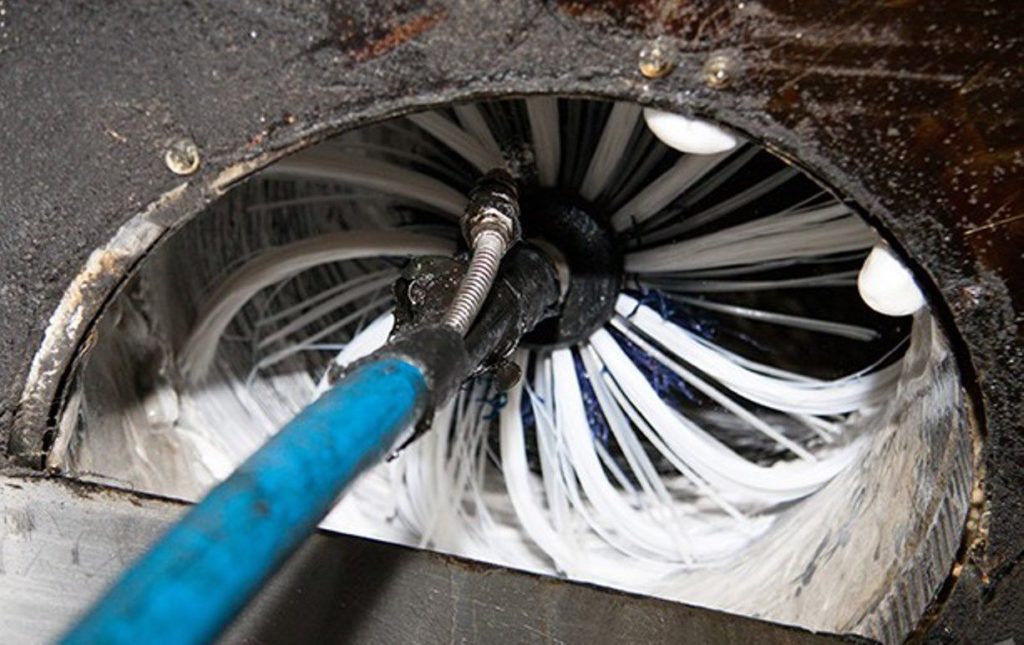
- HVAC Duct Cleaning: Sensors detect blockages and monitor brush effectiveness, ensuring air quality and system efficiency.
- Food & Beverage Processing: Automated cleaning of conveyors and surfaces maintains hygiene standards and reduces contamination risks.
- Pharmaceutical Manufacturing: Precision cleaning of equipment and cleanrooms is monitored and documented for compliance.
- Floor Care: Commercial floor scrubbers with integrated sensors adjust pressure and speed based on surface conditions for optimal results. For more on these machines, see this overview of rotary floor brush machines.
As smart plant technology matures, these use cases are expected to grow, with more facilities adopting sensor-driven cleaning solutions to stay competitive.
Choosing the Right Rotary Brush Sensor Solution
Selecting the best system for your facility requires careful consideration of several factors:
- Application Requirements: Define the surfaces, contaminants, and cleaning standards involved.
- Sensor Capabilities: Choose sensors that provide actionable data relevant to your process.
- Integration Needs: Assess compatibility with existing automation and data management systems.
- Support and Training: Ensure the vendor provides adequate support, documentation, and training resources.
Consulting with industry experts and reviewing comprehensive resources like the rotary brush system industry guide can help you make informed decisions and avoid common pitfalls.
Future Trends in Sensor-Driven Cleaning Technology
The future of industrial cleaning is increasingly data-driven and automated. Emerging trends include:
- AI-Powered Analytics: Machine learning algorithms analyze sensor data to predict maintenance needs and optimize cleaning schedules.
- Wireless Sensor Networks: Wireless connectivity enables flexible deployment and real-time monitoring across large facilities.
- Integration with IoT Platforms: Rotary brush systems become part of broader smart plant ecosystems, sharing data with other equipment for coordinated operations.
- Remote Diagnostics: Technicians can access system status and troubleshoot issues from anywhere, reducing response times and costs.
To stay ahead, facilities should monitor rotary brush system future trends and invest in scalable, upgradable solutions.
Frequently Asked Questions
What types of sensors are most commonly used in rotary brush systems?
The most frequently used sensors include torque sensors (to monitor brush load), vibration sensors (to detect abnormal operation), proximity sensors (for position feedback), and optical sensors (to assess cleanliness). The choice depends on the application and desired data.
How does sensor integration improve maintenance planning?
By providing real-time data on brush wear, cleaning effectiveness, and system health, sensor integration enables predictive maintenance. This allows facilities to schedule servicing before failures occur, reducing downtime and maintenance costs.
Can existing rotary brush equipment be retrofitted with sensors?
In many cases, yes. Retrofitting involves adding compatible sensors and connecting them to a control unit or plant network. However, it’s important to consult with equipment manufacturers or automation specialists to ensure proper integration and avoid operational issues.