Rotary brushes are essential tools in a wide range of industries, from HVAC maintenance to manufacturing and food processing. Their effectiveness depends not only on design and material but also on rigorous quality control practices. Understanding rotary brush quality control applications is crucial for ensuring consistent cleaning, surface finishing, and debris removal. This guide explores the key areas where quality control impacts rotary brush performance, the methods used to assess brush quality, and how businesses can optimize their processes for reliability and safety.
As rotary brush technology evolves, so do the standards for quality and efficiency. Whether you are responsible for specifying, purchasing, or maintaining these tools, knowing how to evaluate and apply quality control measures will help you achieve better results and prolong equipment lifespan. For those interested in the latest developments, exploring rotary brush cleaning technology trends can provide valuable insights into emerging best practices.
Understanding the Role of Quality Control in Rotary Brush Applications
Quality control is the backbone of reliable rotary brush performance. It ensures that each brush meets specific standards for durability, bristle integrity, and cleaning effectiveness. In sectors such as HVAC duct cleaning, industrial equipment maintenance, and food production, even minor deviations in brush quality can lead to suboptimal results or equipment damage.
The main objectives of quality control in this context include:
- Verifying bristle material consistency and strength
- Ensuring uniform bristle distribution and density
- Testing brush balance to minimize vibration during operation
- Assessing attachment mechanisms for secure and safe use
- Monitoring wear resistance and lifespan under real-world conditions
By implementing thorough quality checks, manufacturers and end-users can reduce downtime, prevent costly repairs, and maintain compliance with industry standards.
Key Quality Control Methods for Rotary Brushes
To guarantee optimal performance, several testing and inspection methods are commonly used in rotary brush quality control applications. These include both visual and mechanical assessments, as well as laboratory analysis for specialized environments.
- Visual Inspection: Checking for uniform bristle length, density, and absence of defects such as bent or missing bristles.
- Dimensional Testing: Measuring brush diameter, bristle length, and core dimensions to ensure they match specifications.
- Material Analysis: Confirming the use of correct bristle and core materials, especially for applications requiring heat or chemical resistance.
- Balance and Runout Testing: Ensuring the brush rotates smoothly without excessive vibration, which can cause uneven cleaning or equipment wear.
- Performance Trials: Simulating real-world use to evaluate cleaning effectiveness, debris removal, and bristle wear over time.
These methods help identify potential issues before brushes are deployed, reducing the risk of failure during critical operations. For more advanced tips, consider reviewing rotary brush system expert tips to further refine your quality control process.
Industrial and Commercial Uses for Quality-Controlled Rotary Brushes
Rotary brushes are used in a variety of industrial and commercial settings, each with unique quality control requirements. Some of the most common applications include:
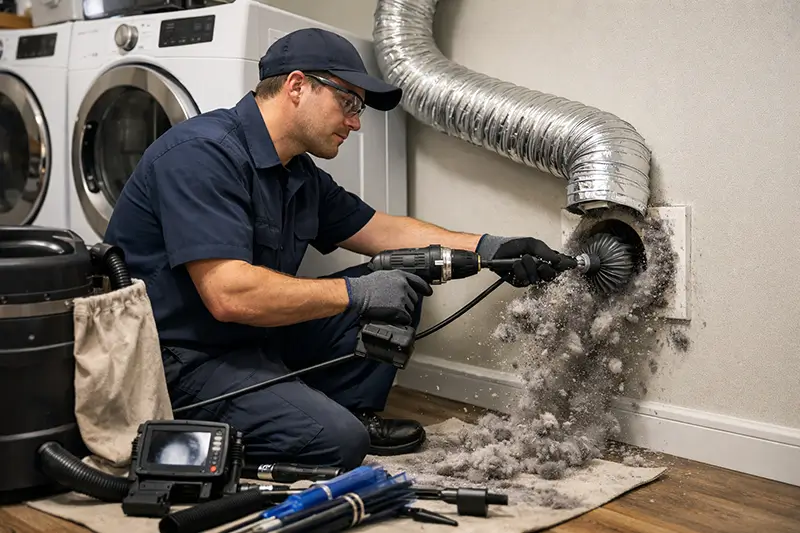
- HVAC and Duct Cleaning: Brushes must be flexible, durable, and capable of removing dust, lint, and debris without damaging ductwork. Quality control ensures consistent bristle action and secure attachment to rotary shafts.
- Manufacturing and Surface Preparation: In metalworking or woodworking, rotary brushes are used for deburring, polishing, and surface finishing. Uniform bristle density and material hardness are critical for achieving the desired finish.
- Food Processing: Brushes in food environments must meet strict hygiene standards. Quality control includes verifying food-safe materials and easy-to-clean designs.
- Textile and Printing Industries: Consistent brush action is needed to remove lint, dust, and static from fabrics or paper. Quality checks focus on bristle softness and even wear.
In large-scale facilities, integrating rotary brush solutions for industrial facilities can streamline cleaning and maintenance, provided that rigorous quality standards are maintained.
Best Practices for Implementing Quality Control in Rotary Brush Operations
To maximize the benefits of rotary brush quality control applications, organizations should adopt a systematic approach:
- Define Performance Criteria: Establish clear standards for brush performance based on the specific application, such as cleaning efficiency, bristle lifespan, and safety requirements.
- Regular Inspection and Testing: Schedule routine checks for all brushes in use, including visual inspections and functional tests. Replace brushes that show signs of wear or damage.
- Document Quality Control Results: Maintain records of inspections, test results, and any corrective actions taken. This documentation supports traceability and continuous improvement.
- Train Staff: Ensure that operators and maintenance personnel are trained to recognize quality issues and follow proper procedures for brush installation and use.
- Source from Reputable Suppliers: Work with manufacturers who adhere to recognized quality standards and provide documentation for their products.
Following these practices helps prevent unexpected failures and supports compliance with industry regulations.

Comparing Rotary Brush Quality Control to Alternative Methods
While rotary brushes are widely used, alternative cleaning and surface preparation methods exist, such as negative air pressure systems or chemical cleaning. Each approach has its own quality control considerations. For example, negative air pressure systems focus on airflow measurement and filter integrity, while rotary brushes require bristle and mechanical checks.
For a detailed comparison, see this analysis of negative air pressure versus rotary brush cleaning. Understanding the strengths and limitations of each method helps organizations choose the best solution for their needs.
Those interested in future developments can also explore rotary brush system future trends to stay ahead in quality control and technology adoption.
Optimizing Rotary Brush Quality Control for Production Environments
In production settings, maintaining high standards for rotary brush quality is essential for uninterrupted operations. Automated inspection systems, statistical process control, and predictive maintenance are increasingly used to monitor brush condition and performance in real time.
Integrating these tools with broader facility management systems can help detect issues early and schedule maintenance proactively. For more on this topic, see rotary brush solutions for production environments.
Ultimately, the goal is to ensure that every rotary brush used in the facility delivers consistent, reliable results, supporting both productivity and safety.
FAQ: Rotary Brush Quality Control Insights
What are the most common quality issues found in rotary brushes?
Typical problems include uneven bristle wear, loose or missing bristles, poor balance causing vibration, and use of incorrect materials. Regular inspections and sourcing from reputable suppliers help prevent these issues.
How often should rotary brushes be inspected for quality?
Inspection frequency depends on usage and environment, but most experts recommend checking brushes before each use and conducting more thorough inspections monthly or after heavy-duty applications.
Can rotary brushes be repaired or should they always be replaced?
Minor issues, such as cleaning debris from bristles, can be addressed with maintenance. However, brushes with significant wear, missing bristles, or damaged cores should be replaced to maintain safety and effectiveness.