Proper rotary brush pressure adjustment is essential for achieving optimal cleaning results, extending equipment life, and ensuring safety during duct, floor, or industrial surface maintenance. Whether you’re a facility manager, technician, or cleaning professional, understanding how to fine-tune brush pressure can make a significant difference in both efficiency and outcome. This guide explores the fundamentals of pressure control, common mistakes, and actionable steps for various applications.
With advances in rotary brush cleaning technology trends, the ability to set and maintain the right pressure is more important than ever. This article covers practical advice, troubleshooting tips, and frequently asked questions to help you master this crucial aspect of rotary brush operation.

Understanding the Importance of Proper Pressure Control
Setting the correct pressure for a rotary brush is not just about cleaning effectiveness—it also impacts surface protection, brush longevity, and operational safety. Too much pressure can damage surfaces, wear out brushes prematurely, and strain motors. Too little pressure, on the other hand, may result in insufficient cleaning and wasted effort.
Key benefits of optimal pressure include:
- Improved cleaning performance on ducts, floors, and industrial surfaces
- Reduced risk of scratching, gouging, or damaging materials
- Longer brush and equipment lifespan
- Lower energy consumption and less operator fatigue
Factors Affecting Rotary Brush Pressure Adjustment
Several variables influence how much pressure should be applied during rotary brush cleaning. Understanding these factors helps you make informed adjustments for each task:
- Surface Type: Hard surfaces like concrete or metal can tolerate more pressure, while softer materials (such as painted ducts or delicate flooring) require a gentler touch.
- Brush Material and Size: Stiffer bristles and larger brushes may need less downward force, while softer or smaller brushes might require more.
- Debris Level: Heavy buildup or stubborn deposits may call for increased pressure, but always balance this with the risk of surface damage.
- Machine Design: Some rotary brush systems have built-in pressure gauges or adjustment knobs, while others rely on manual control by the operator.

Best Practices for Adjusting Rotary Brush Pressure
To achieve the best results, follow these proven methods for setting and maintaining the right brush pressure:
- Start Low and Increase Gradually: Begin with minimal pressure and slowly increase until the brush makes consistent contact with the surface. This minimizes the risk of accidental damage.
- Monitor Brush Performance: Listen for changes in motor sound, watch for excessive vibration, and check for even brush rotation. These cues can indicate if pressure is too high or too low.
- Test on a Small Area: Before cleaning the entire surface, test your settings on a discreet section to ensure no harm is done and cleaning is effective.
- Use Manufacturer Guidelines: Always consult the equipment manual for recommended pressure ranges and adjustment procedures.
- Adjust for Wear: As brushes wear down, their effective pressure on the surface decreases. Compensate by making small adjustments or replacing worn brushes as needed.
Common Mistakes and How to Avoid Them
Even experienced operators can make errors when adjusting rotary brush pressure. Here are frequent pitfalls and tips to prevent them:
- Applying Excessive Force: More pressure does not always mean better cleaning. Overloading the brush can damage both the tool and the surface.
- Ignoring Surface Variations: Failing to adjust for different materials or levels of debris can lead to inconsistent results.
- Neglecting Regular Checks: Periodically inspect brushes and pressure settings during long cleaning sessions to maintain optimal performance.
- Skipping Equipment Maintenance: Dirty or worn components can affect pressure delivery and cleaning efficiency.
Application-Specific Tips for Pressure Adjustment
Different cleaning scenarios require tailored approaches to pressure control. Here’s how to adapt for common environments:
Duct and HVAC Cleaning
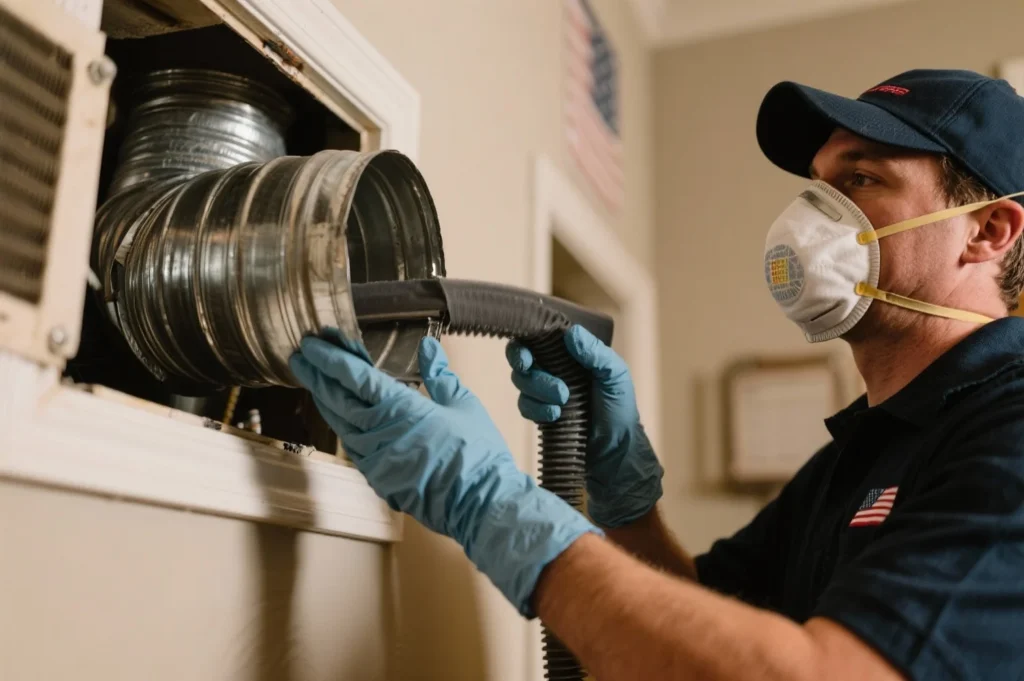
When cleaning air ducts, gentle yet consistent pressure is crucial to avoid damaging ductwork or insulation. Use flexible brushes and adjust pressure to account for bends and varying duct diameters. For more insights, see rotary brush system expert tips.
Industrial and Commercial Floors
For hard floors, gradually increase pressure until stubborn grime is removed, but stop before the brush begins to stall or leave marks. Always check for surface coatings or finishes that may require lower pressure.
Production Environments
In manufacturing settings, adjust brush pressure based on the type of residue and the durability of the equipment being cleaned. Consistent monitoring and adjustment are key for both safety and efficiency. Learn more about rotary brush solutions for production environments.
Maintenance and Troubleshooting for Consistent Results
Regular maintenance of your rotary brush system ensures that pressure adjustments remain accurate and effective. Here are some essential steps:
- Clean Brushes After Use: Remove debris and buildup to prevent uneven pressure and premature wear.
- Inspect for Wear and Tear: Replace brushes that have lost bristle integrity or show signs of deformation.
- Check Pressure Mechanisms: Ensure that adjustment knobs, springs, or hydraulic systems are functioning smoothly and free of obstructions.
- Lubricate Moving Parts: Regular lubrication reduces friction and helps maintain consistent pressure application.
If you encounter issues such as uneven cleaning, excessive vibration, or motor strain, review your pressure settings and inspect all components. For advanced troubleshooting and future trends in brush technology, see rotary brush system future trends.
Expert Insights and Industry Resources
Staying informed about the latest developments in rotary brush systems and cleaning standards can help you refine your pressure adjustment techniques. For a deeper dive into machine design and operational tips, refer to this comprehensive guide to rotary floor brush machines. Additionally, consulting with equipment manufacturers and attending industry workshops can provide valuable hands-on experience.
Frequently Asked Questions
How do I know if the brush pressure is set correctly?
Signs of correct pressure include even cleaning results, minimal vibration, and no visible damage to the surface. If the brush stalls, skips, or leaves marks, reduce the pressure and retest.
Can I use the same pressure setting for all surfaces?
No, different surfaces and debris types require different pressure levels. Always adjust based on the specific material and cleaning challenge for best results.
What should I do if the brush wears out quickly?
Premature brush wear often indicates excessive pressure or improper maintenance. Reduce the applied force, clean brushes after use, and replace them when bristles are deformed or missing.
Are there automated systems for pressure adjustment?
Some advanced rotary brush machines feature automatic pressure regulation. However, manual monitoring and adjustment are still important for optimal performance, especially in complex cleaning environments.
Conclusion
Mastering rotary brush pressure adjustment is a key skill for anyone involved in professional cleaning or facility maintenance. By understanding the variables involved, following best practices, and staying up to date with industry innovations, you can ensure safe, effective, and efficient cleaning every time. For more information on industrial applications, visit rotary brush solutions for industrial facilities.